
Lifestyle
Understanding the Situation in the UAE, Where to Access Help and Support

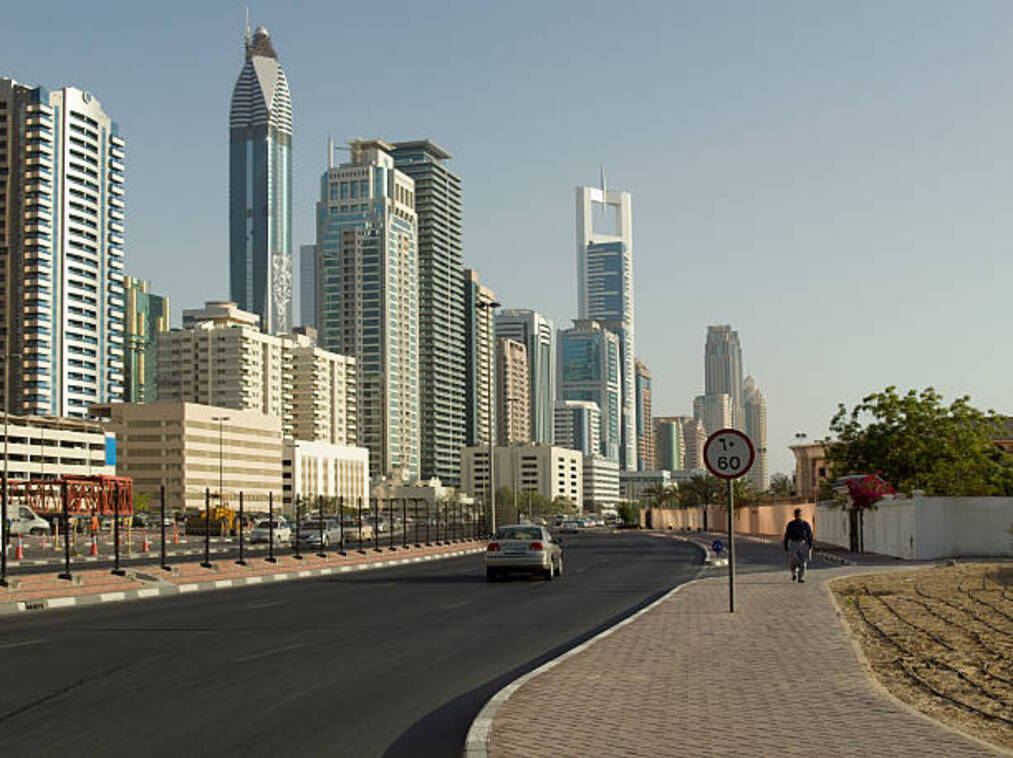
There have been recent developments because of airstrikes and this has made many people uncertain about what to do. Even though the situation remains uncertain especially when it comes to traveling and daily life the authorities are maintaining public safety and security.
Public Safety Updates Over the United Arab Emirates
When there was reported missile activity in the air, residents received emergency alerts nationwide. People got messages on their phones telling them to go indoors immediately, stay away from windows, and await further instructions. UAE authorities said that their defense systems stopped the threats but some pieces of debris fell and caused minor damage and one person died. They want everyone to know that they took precautions quickly and that their emergency systems are functioning effectively.
The government is telling the public that:
- They are monitoring the situation continuously to make sure everyone is safe.
- Emergency teams are ready to respond to emergencies.
- Important services like water and electricity are still working.
- People should only listen to announcements and not spread rumors online.
Travel Disruptions and Airspace Closures
Photo Credit: Getty images
Air travel has been disrupted. To be safe the United Arab Emirates closed its airspace for a while, which meant that no commercial planes could take off or land except for emergency and military planes.
What Travelers Are Going Through
Flights are not operating at Dubai International Airport and Abu Dhabi’s Zayed International Airport due to ongoing safety measures. Many passengers are stuck or have had their flights rescheduled around the world. Some flights have started operating but only after safety checks have been done. Airlines are telling passengers not to go to the airport unless they have been contacted directly and to check the airlines website for updates. If your visa or stay has been affected by the flight cancellations, assistance may be available. As long as you have proof like your boarding pass or email from the airline.
Embassy Notices and Registration Guidance
The embassies of countries have sent out official advisories for their citizens who live in or are visiting the United Arab Emirates. Some governments, like the United Kingdom, United States and European countries are telling their citizens to register with their embassy. If you register the embassy can send you safety updates and provide assistance if needed.
Why Registering with the Embassy Matters
Photo Credit: Getty images
- You will get safety alerts and guidance from the embassy.
- You can get help if you need to be evacuated or relocated.
- You can get help replacing travel documents if you lose them.
- You will be informed about any travel restrictions or local advisories.
Most embassies have registration platforms where you can put in your basic details like your passport information and where you are currently.
Emergency Support
Important Phone Numbers in the United Arab Emirates:
If you need the police call 999.
If you need an ambulance call 998.
If you need non-emergency police help call 901. You should only call the emergency services if it is an emergency to keep lines free for urgent emergencies.
Read Next Post: The Madison” Official Trailer Review
There was a time when the hotel was simply where you stayed after a day of exploring. That has changed. Today, the resort can be part of the destination itself, shaping how travellers spend their time and experience the place around them.
These seven properties are designed around a specific landscape, pace, and idea of luxury, here are the resorts worth building a trip around right now.
Qasr Al Sarab by Anantara, Abu Dhabi
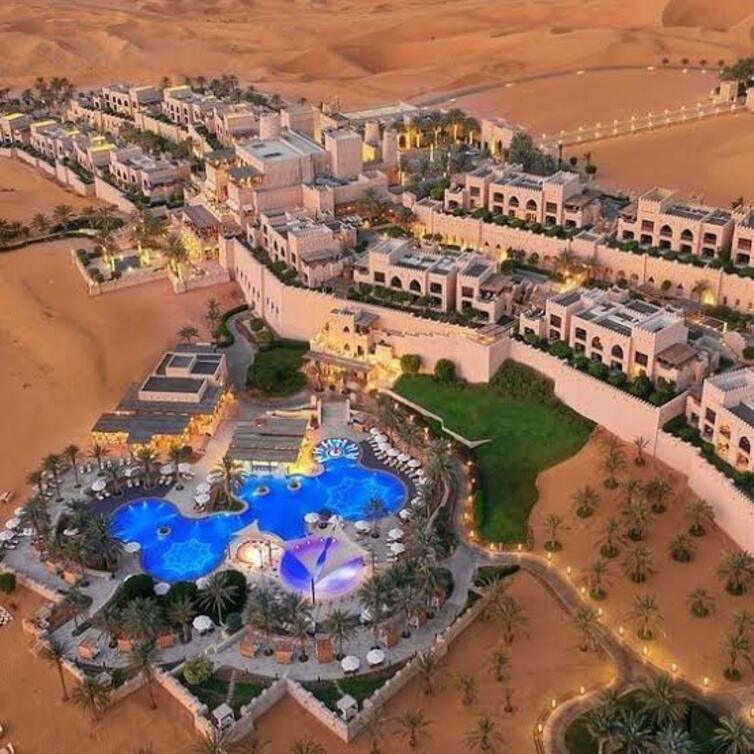
Photo: Instagram/@ thetravelclubb
Two hours outside Abu Dhabi, the Liwa Desert opens into dunes that go on for miles. Qasr Al Sarab sits in the middle of it. Inspired by the region’s traditional forts, the resort has an unmistakably Arabian character, while its secluded setting keeps the atmosphere calm and far from the pace of the city.
Days here can begin with a drive across the dunes or a camel trek before moving into a quieter afternoon at the Anantara Spa, where treatment rooms look out over the desert. The setting makes it easy to put the usual pace of life aside and spend a little longer doing very little.
Mango House Seychelles, Mahé
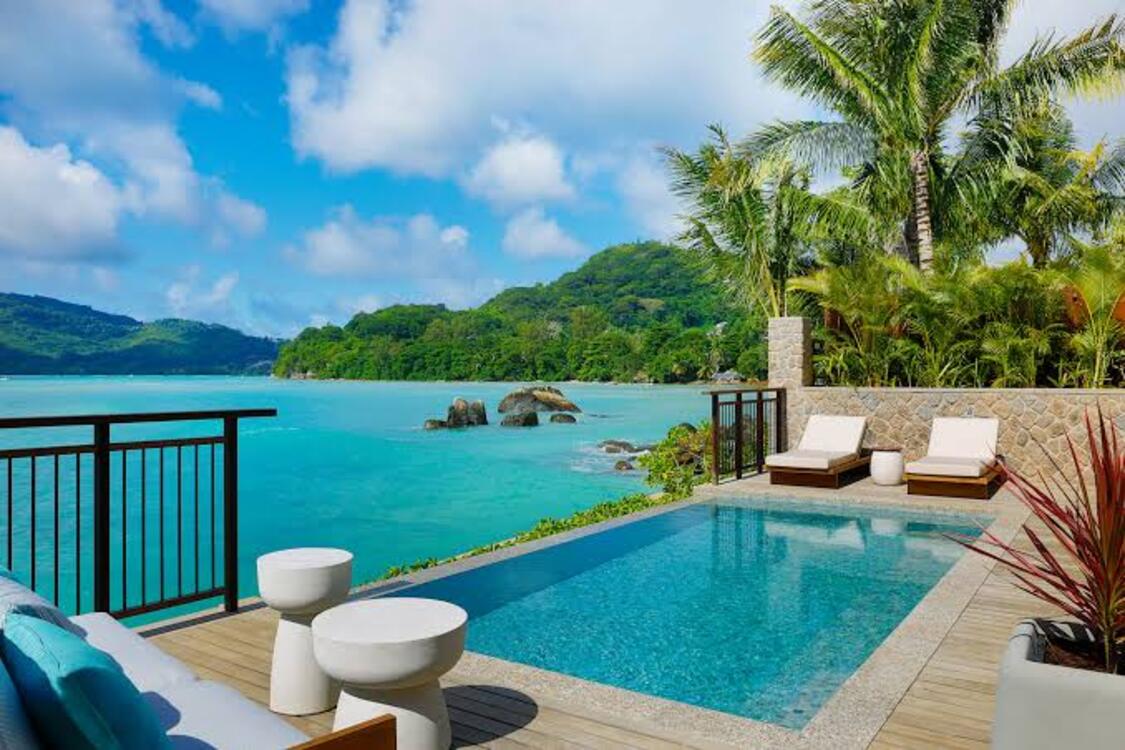
Photo: Instagram/@ Arenatours
On Mahé’s northwest coast, Mango House trades big-resort energy for something smaller. Villas and suites face the Indian Ocean, with private terraces that put the water in front of you all day.
Gh Mango House keeps the pace deliberately easy, with the coastline and Indian Ocean views providing much of the appeal. It is a natural choice for couples who want to experience Seychelles at a slower pace, away from the busier resort crowds.
The Ritz-Carlton Maldives, Fari Islands
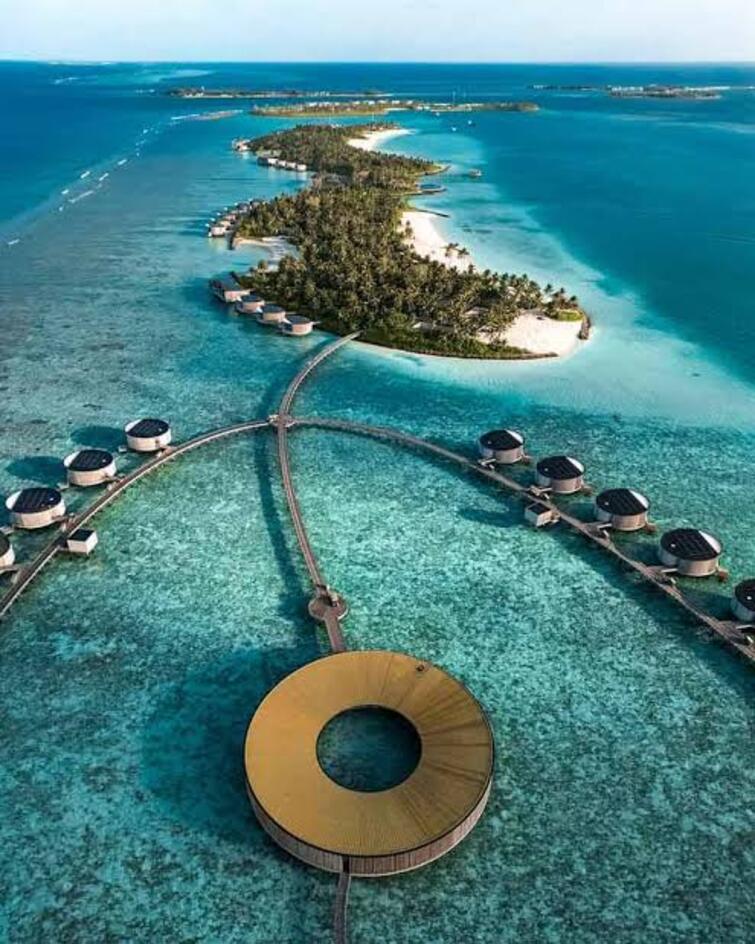
Photo: The Ritz-Carlton
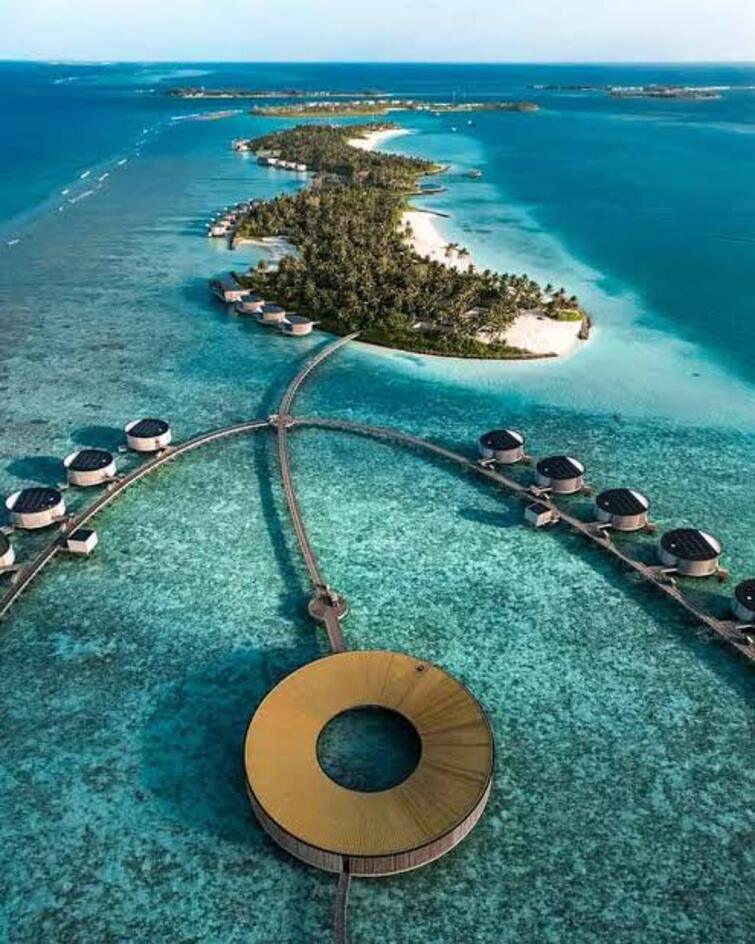
In North Malé Atoll, The Ritz-Carlton Maldives is built around separation and service. Villas sit on their own beach coves or over the water, close enough for families to stay connected but far enough apart to feel secluded.
Each villa comes with an Aris Meeha, the resort’s dedicated island butler. With the Indian Ocean always within view, the experience feels discreet, relaxed and deeply personal.
Soneva Fushi, Maldives
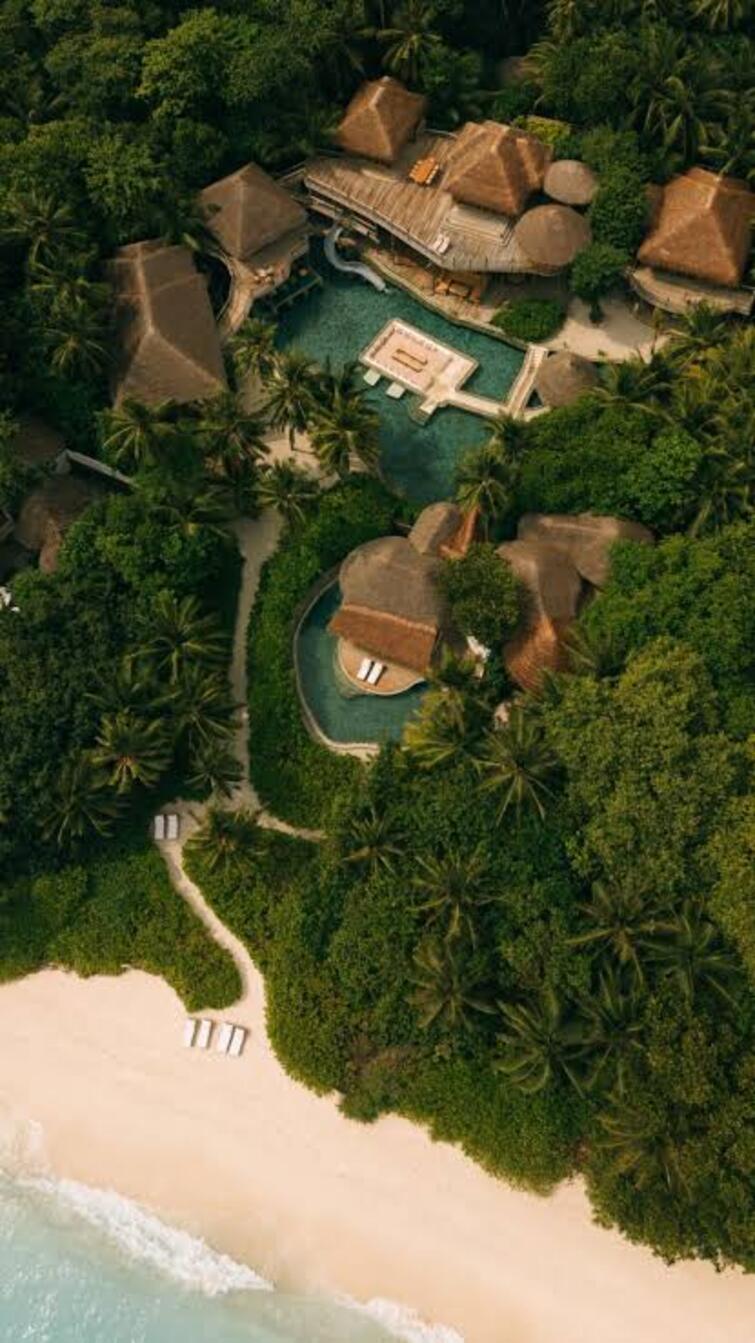
Photo: Soneva
Soneva Fushi takes a different approach to island luxury, placing nature at the heart of the experience. Its villas are surrounded by dense tropical greenery, while the resort’s private-island setting encourages guests to slow down and disconnect, reflected in its “no news, no shoes” philosophy.
There’s Soneva Soul for wellness, a calendar of visiting experts through Soneva Stars, and multiple dining venues. For families, The Den is one of the largest kids’ clubs in South Asia.
Banyan Tree AlUla, Saudi Arabia
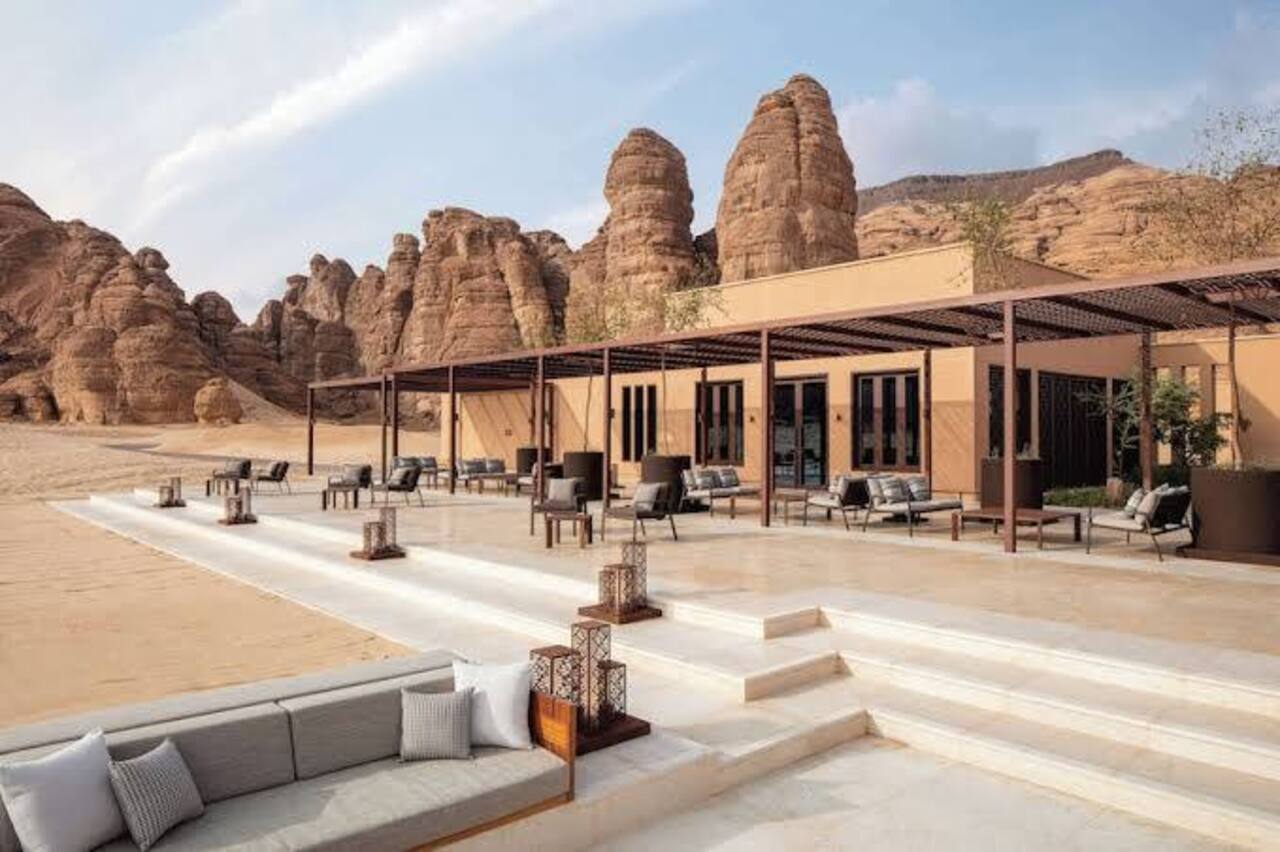
Photo: Accor
In Wadi Ashar, AlUla, Banyan Tree built an all-villa resort that sits low against the rock formations.
This is a destination for travelers interested in Saudi Arabia’s cultural sites who also want space to decompress. Days are spent exploring AlUla’s archaeology. Evenings are spent watching the light change over the cliffs from your villa terrace.
The Leela Palace Udaipur, India
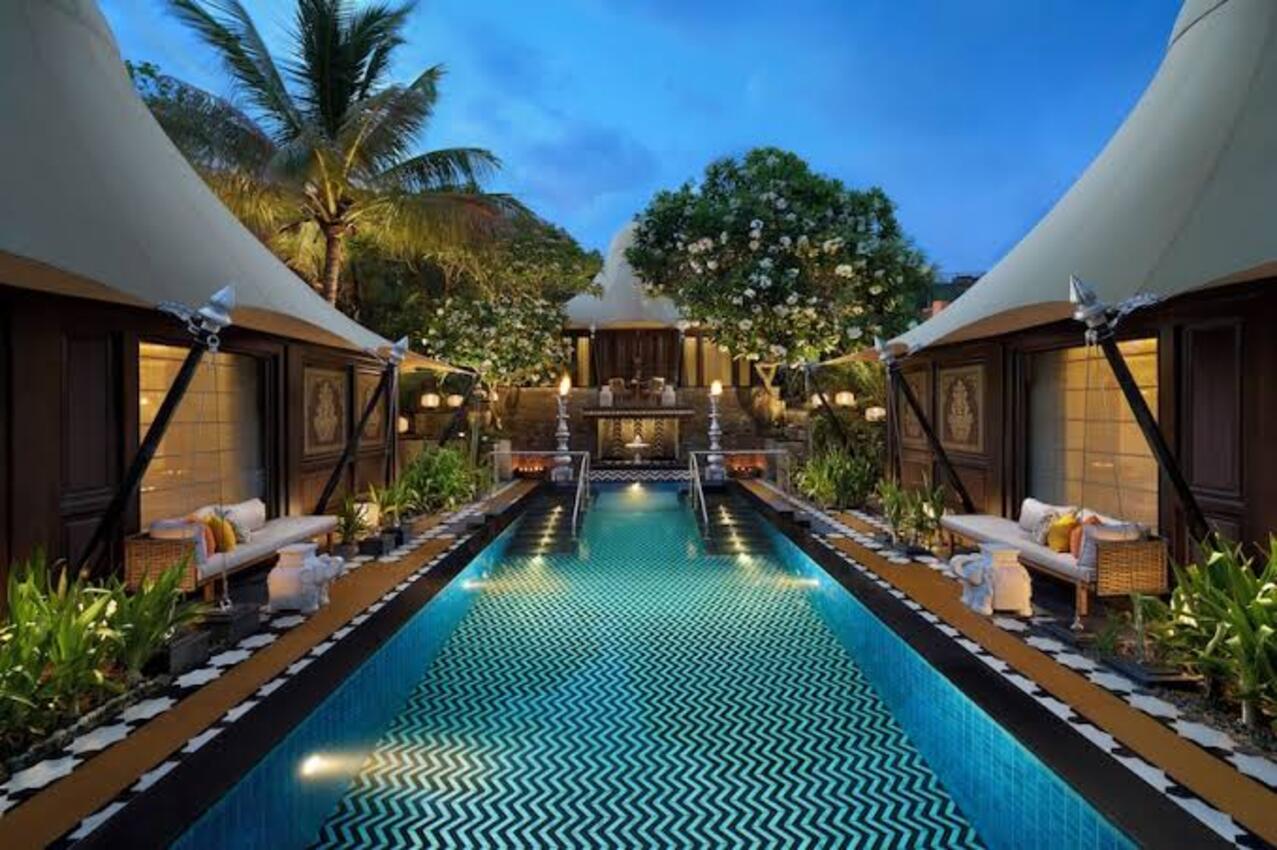
Photo: Instagram/@ theleelapalaceudaipur
On Lake Pichola, with the Aravalli mountains behind it, The Leela Palace Udaipur connects a resort holiday to Rajasthan’s heritage.
Beyond the lake views, the property programs folk performances, Pichwai painting sessions, and guided visits to historic sites.
Patina Maldives, Fari Islands
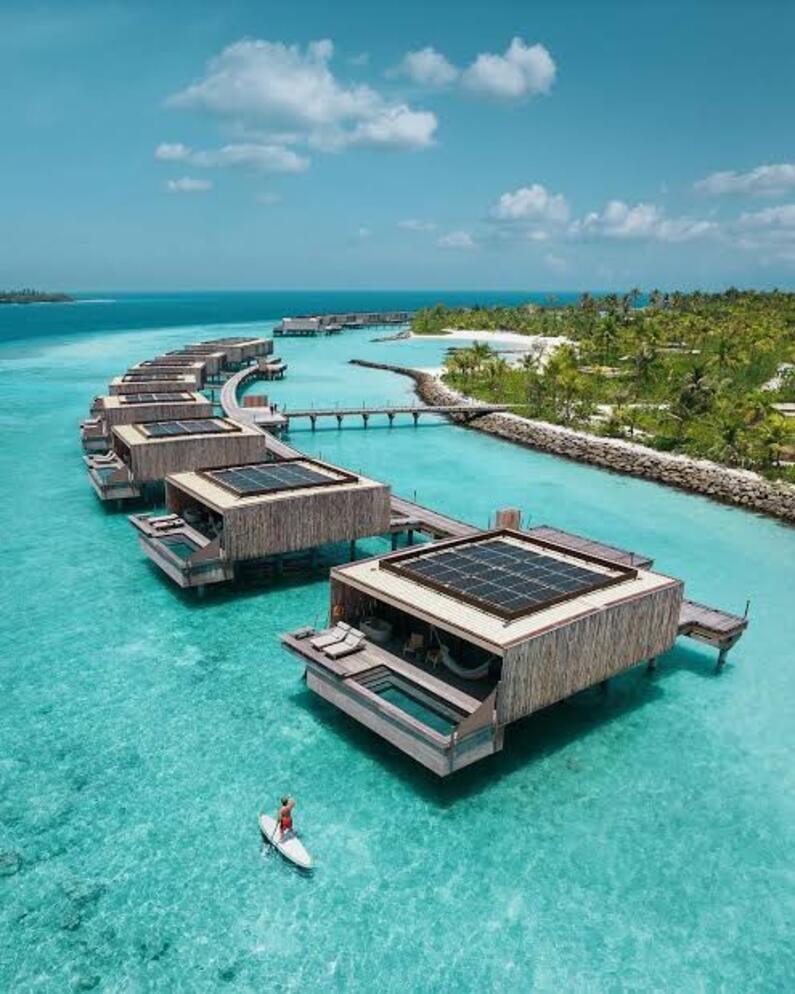
Photo: Instagram/@ makeplansholidays
Also in the Fari Islands, Patina Maldives approaches the Maldives differently. The design is contemporary: Beach and Water Pool Villas, plus Fari Studios, all built around light and open space.
The programming is what sets it apart. Picture tailor-made wellness, chef collaborations, and Cosmopolitan Ocean, a series of art and music installations with international creatives.
What ties them together
These resorts span deserts, lakes, and oceans. They serve couples, families, and solo travelers. But they share one principle: the location leads.
Read Next Post: Everything You Missed as Chanel Celebrates 25 Years of Coco Mademoiselle
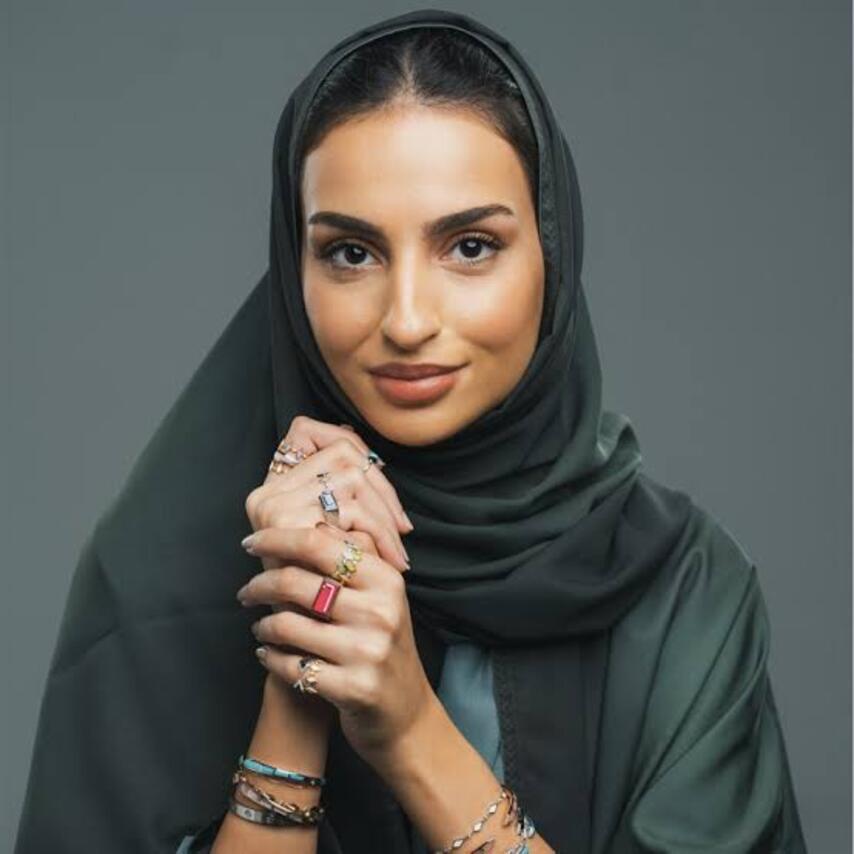
Across jewelry, wellness, furniture, and luxury consulting, Emirati women are building brands that carry personal history and national identity into contemporary spaces. Here are six founders putting distinctly Emirati perspectives at the heart of modern brands.
Noora Shawqi — Noora Shawqi Jewellery
What began as an Instagram account in 2017 to share a love of fine jewellery became a full label a year later. Noora Shawqi is a certified Diamond Graduate from the Gemological Institute of America, holds a Diamond Grader certification from the International Gemological Institute, and completed training at L’Ecole Van Cleef & Arpels. Her collections translate travel, from Sri Lanka to Japan, into fine jewellery made in Dubai with local artisans. Her work has been featured in Vogue Arabia, Grazie Middle East, and JCK. In 2023 the brand also ran a CSR campaign focused on conserving coral reef systems.
Ghaliya Ahli — Gigi Dubai
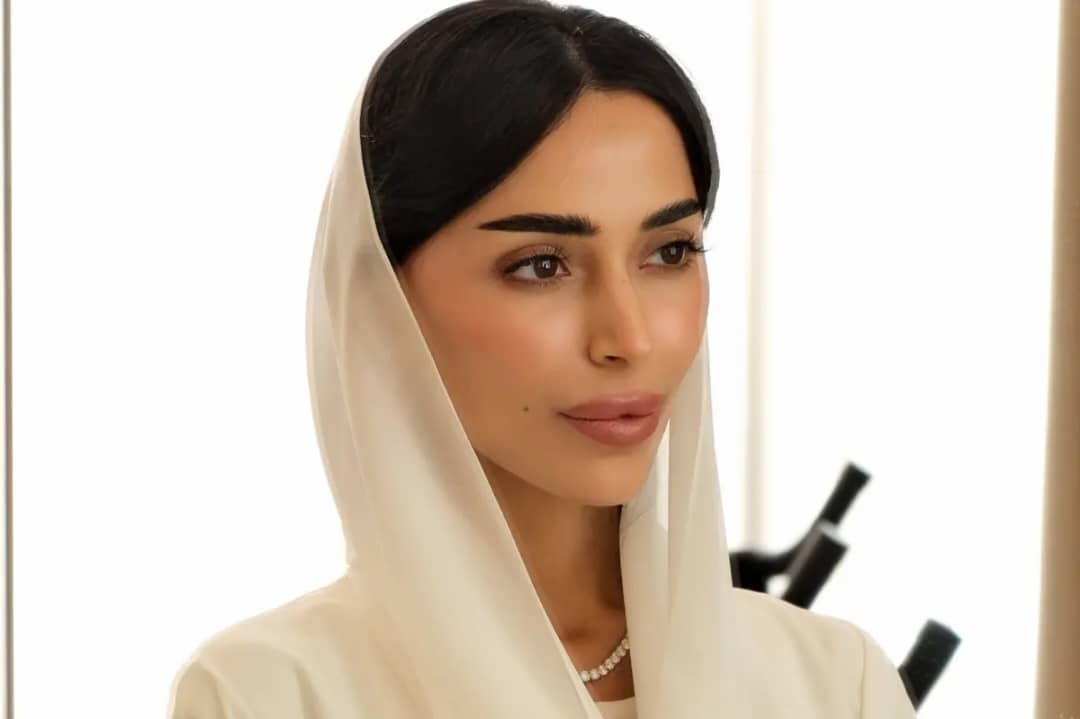
Photo: Soigné Middle East
With a background in marketing and research, Ghaliya Ahli set out to build a brand. Gigi Dubai launched as the city’s first Lagree-method studio, centered on slow, controlled movements on a Megaformer machine. It has since grown into a lifestyle platform across two locations in Mirdif and Nad Al Sheba, built around design, community, and a calendar of events and pop-ups. Ahli has described wanting the space to move beyond neutral wellness aesthetics into something bolder and more culturally aware.
Maitha and Alya Al Suwaidi — Contemporary Spaces
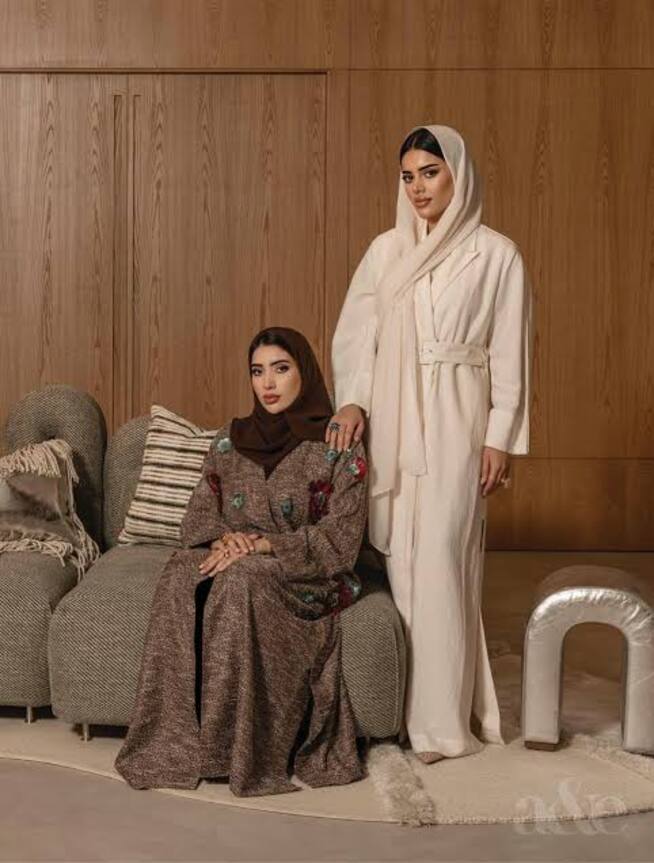
Photo: Instagram-@aeworld_mag
Alongside their brother Obaid, sisters Maitha and Alya Al Suwaidi founded Contemporary Spaces after years spent inside their father’s furniture manufacturing factories. Officially launched in Dubai’s Al Quoz creative district, the studio channels that inherited craft knowledge into locally made furniture and interiors defined by structure, precision, and sculptural clarity, balancing heritage with a distinctly modern design language.
Fatma and Maryam Sahem — Khayal Jewellery
Khayal, the Arabic word for imagination, began when sisters Fatma and Maryam Sahem went looking for a piece of jewellery they had envisioned but could not find. That search became a brand defined by whimsy and fine craftsmanship. Collections draw inspiration from destinations including Japan, Morocco, and the Maldives. Their Enchanted collection later transformed the chequered pattern into a gemstone form, offering a different approach to how the motif could appear in jewellery.
Fatma Al Bannai — Baguette Design
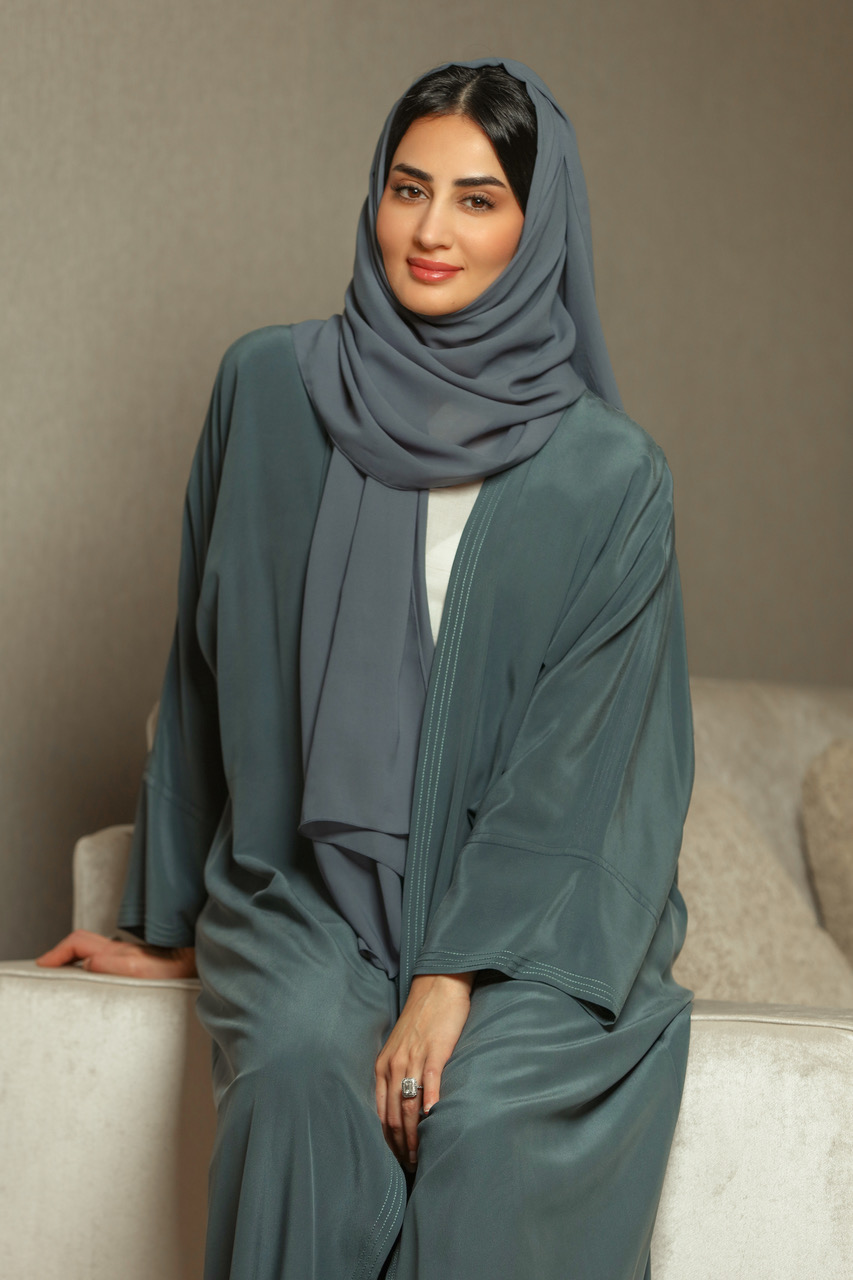
Photo: Instagram – @ aeworld_mag
Before jewellery, Fatma Al Bannai’s creative instincts ran toward writing. That literary sensibility carries into Baguette Design, named after the baguette diamond cut she has favored since childhood. Each collection is conceived narratively, treated like a story translated into wearable form, with attention to line, proportion, and longevity.
Hala Al Gergawi — Tea Before Noon and Elevenish
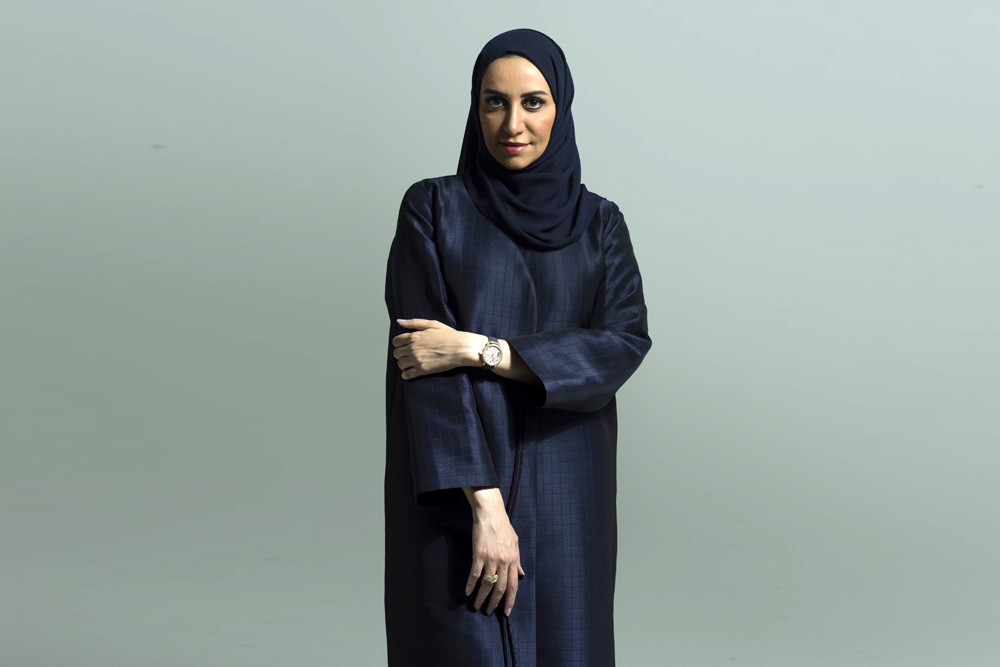
Photo: Getty images
A former Managing Editor of Zahrat Al Khaleej magazine, Hala Al Gergawi began her entrepreneurial path in 2007 with a directory magazine spotlighting Emirati women-owned businesses. That project evolved into Tea Before Noon, relaunched in 2018 as one of the region’s first luxury lifestyle consultancies, helping global brands including Burberry and Dior localize their presence for GCC audiences. In 2021 she founded Elevenish, an online platform for abayas, fragrances, and accessories created by emerging Gulf designers. Al Gergawi has also served as UAE country office manager for Young Arab Leaders and previously sat on the Emirates Business Women Council.
Together these brands reflect a clear shift. They are building from local craft, personal archives, and regional insight, then producing work in the UAE for audiences both here and abroad. In doing so, they are moving Emirati women’s entrepreneurship from representation to ownership, and helping define what modern design in the region looks like.
Read Next Post: UAE to Mark Emirati Women’s Day With Month-Long Celebrations
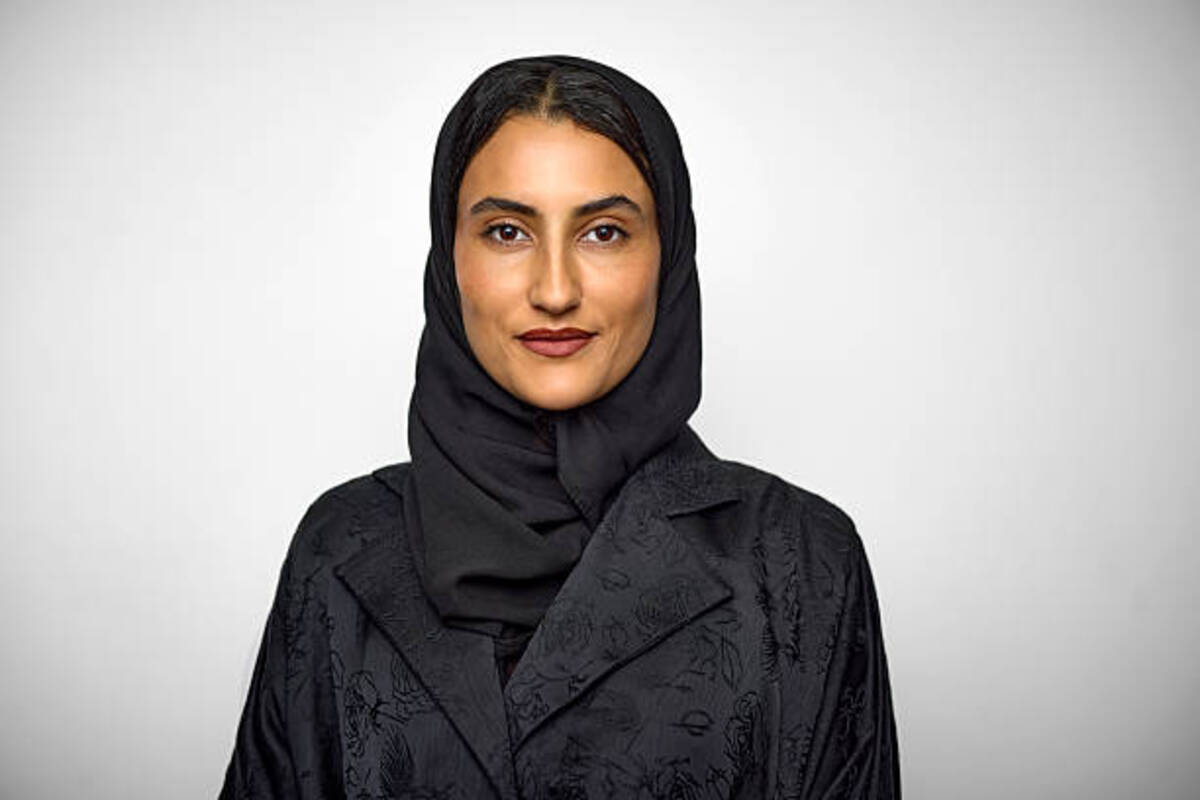
The UAE will mark Emirati Women’s Day on August 28. Emirati Women’s Day is an occasion that celebrates the achievements of Emirati women and highlights their role in the development of the country. For the first time since Emirati Women’s Day started in 2015, the celebration will run for a full month, from August 28 to September 28 2026.
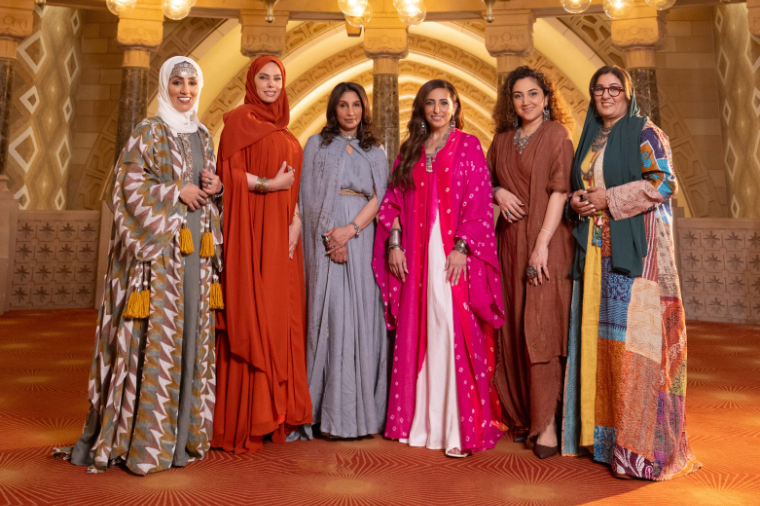
Photo: Emirate women
The expansion was announced by Her Highness Sheikha Fatima bint Mubarak, known as the “Mother of the Nation.” Sheikha Fatima chairs the General Women’s Union, presides over the Supreme Council for Motherhood and Childhood, and leads the Family Development Foundation.
She announced that this year’s Emirati Women’s Day would be observed for longer than a day. Celebrations will continue through the month.
This year’s theme is “Together We Rise Stronger and Better.” The theme takes a different approach, looking beyond individual success stories by Emirati women. Instead it places women’s achievements within families, workplaces, institutions and communities.
Her Highness Sheikha Fatima said Emirati women have reached their position with support, from families, institutions and Emirati men. She also added that Emirati women’s progress also strengthens the UAE as a whole.
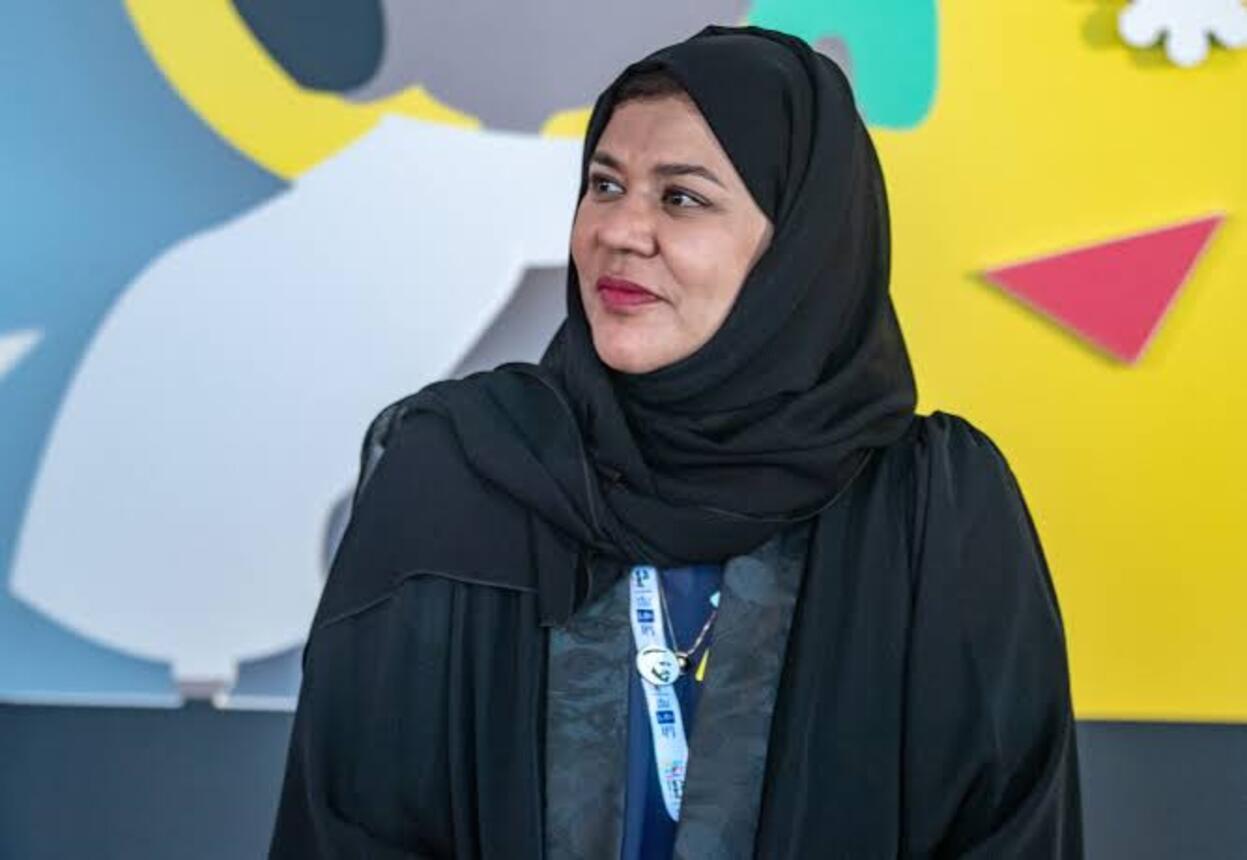
Photo: Getty images
In line with that, this year’s program will also honour men who have supported women’s advancement, reinforcing an emphasis on partnership over competition.
The month-long celebration is part of the Mother of the Nation’s 50:50 Vision, a long-term initiative that looks ahead to 2075 and the role of women in the UAE over the next 50 years.
The observance falls on August 28 each year, a date that also marks the founding of the UAE’s General Women’s Union in 1975. Since then, the occasion has become an annual opportunity to celebrate Emirati women and recognize their contributions across the country. Emirati women currently hold roughly 63 percent of leadership positions across the government sector and 50 percent of seats in the Federal National Council.
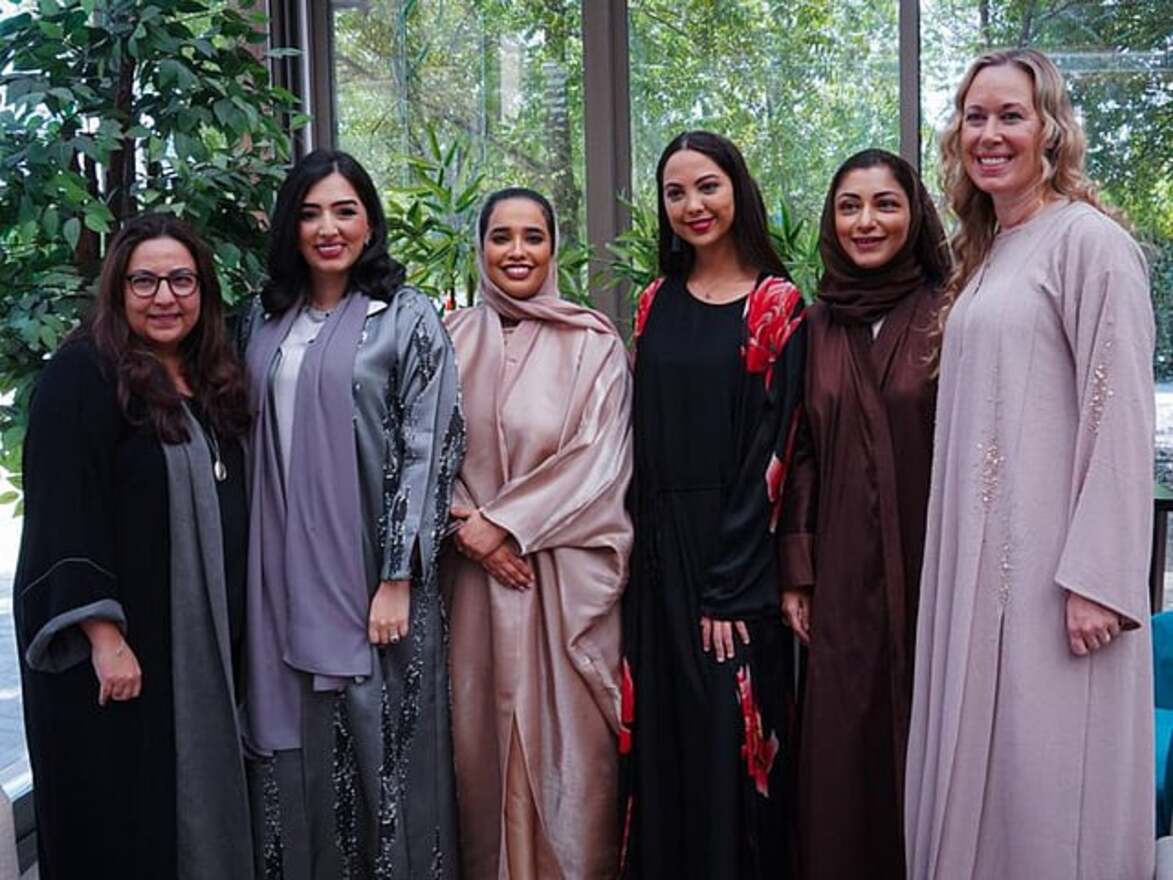
Photo: reflection_stars_pr
With the celebration now stretching across a full month, government entities, businesses, and hospitality venues across the UAE are expected to mark the occasion with initiatives, recognition programs, and public events, according to organizers, with further details to be announced by participating organizations in the lead-up to the month- long program.
Read Next Post: Apple Set to Release iPhone 18: Here’s Everything We Know

Why Korean Scalp Detox Is Having a Moment in Dubai

Kendall Jenner Closes Out Bottega Veneta Show

Emirati Pop Artist Alya Makes Her Debut With “Lemonade”


-

 Top Xclusiv5 months ago
Kendall Jenner and Jacob Elordi Join Kylie Jenner and Timothée Chalamet for a Double Date
-

 Celebrity news3 months ago
Lamar Odom Explains His Comments About Marrying Khloé Kardashian for Fame
-

 Movies4 months ago
Angelina Jolie’s ‘Couture’ Trailer Steps Into the World of Paris Fashion Week
-

 Celebrity Style5 months ago
Demi Moore, 63, Brings a Plunging Silver Gown to Cannes Festival
-

 Top Xclusiv4 months ago
Brad Pitt and Angelina Jolie’s Eldest Son Maddox Files for an Official Name Change
-

 Top Xclusiv3 months ago
Anne Hathaway Reveals She Is Pregnant With Her Third Child
-
 Travels5 months ago
5 Luxury Eid al-Adha Travel Destinations for Dubai Travelers
-

 Top Xclusiv3 months ago
North West and Molly Santana Announce 14-Date Kimokawaii Tour