
Lifestyle
Dubai’s Al Maktoum International Airport: First Phase Set for 2032 Completion

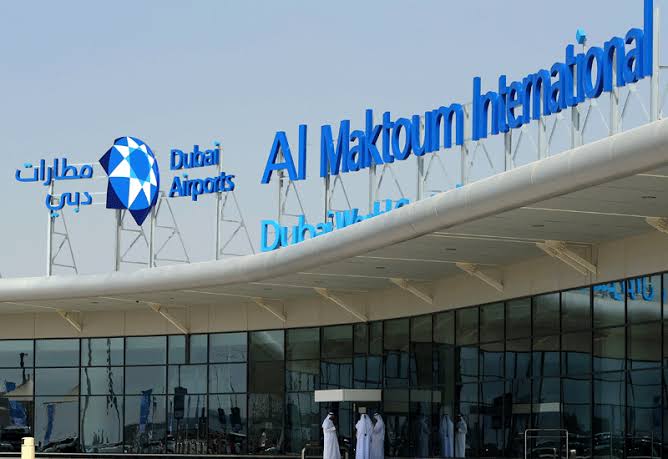
Dubai has never been a city to dream small, and its latest project proves just that. By 2032, the first phase of the new Al Maktoum International Airport, also known as DWC, is expected to be completed, and it’s already being hailed as a game changer in global air travel.
If you thought Dubai International Airport (DXB) was impressive, get ready. Al Maktoum International is set to become the world’s largest airport once it’s fully completed. Even in its initial phase, it promises to handle up to 150 million passengers annually. That’s more than most airports manage in total.
So, what exactly should we expect—and why should you be excited? Let’s break it down.
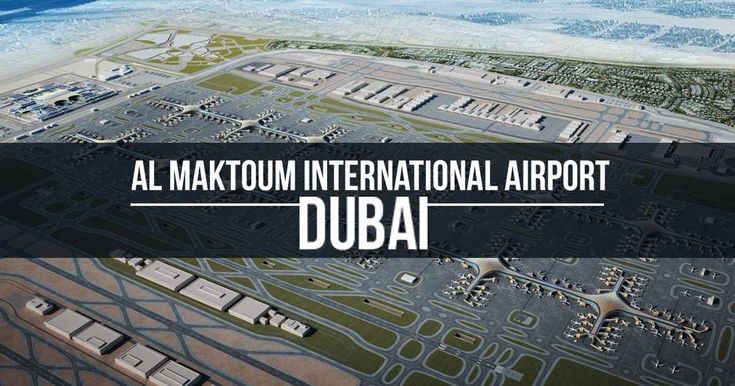
The AI Maktoum airport
A City Within an Airport
The new Al Maktoum International Airport won’t just be an airport—it will be an entire travel city. The first phase includes a brand-new terminal building, four concourses, a second runway, and ultra-modern passenger systems. The goal? To offer passengers a smooth, fast, and futuristic travel experience from the moment they arrive.
Features like an automated people mover (think airport train), advanced baggage handling systems, and smart security checks will make moving through the airport quicker and easier. With Dubai’s focus on luxury and efficiency, you can expect lounges, shopping zones, and waiting areas that feel more like five-star hotels than your traditional airport terminals.
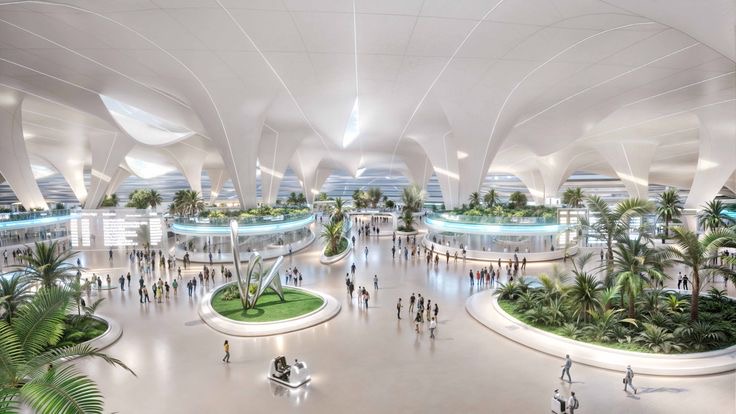
Proposed interior of the airport
Taking Over from DXB
Currently, Dubai International Airport is one of the world’s busiest, serving over 90 million travelers in 2024 alone. But by the time Al Maktoum International is fully operational, most—if not all—commercial flights are expected to relocate there.
Why the change? It’s simple. Dubai is thinking ahead. With tourism growing and more passengers flying through the Middle East, the current airport just doesn’t have enough space. The new airport gives room to expand, evolve, and embrace the future of air travel.
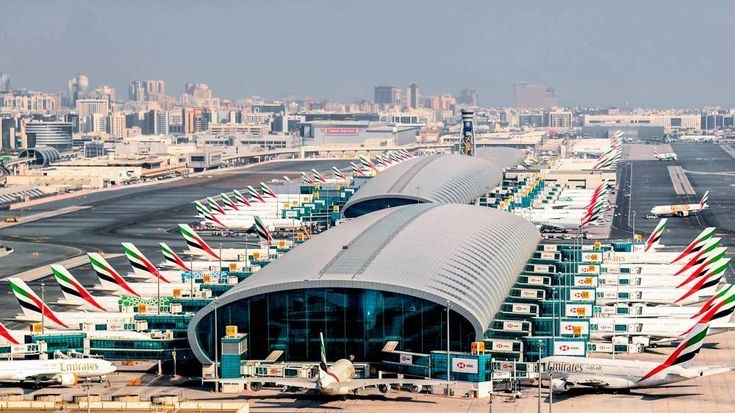
Futuristic airoport
Built to Serve the Future
Dubai isn’t just building an airport; it’s building for the next 50 years. The new airport will accommodate all types of future aircraft, including the next generation of super-sized planes. There’s even talk of the airport integrating sustainable technology to reduce its carbon footprint, aligning with the UAE’s broader environmental goals.
Cargo services are also expected to expand. While the airport already handles cargo, this development will make it a major hub for goods moving between Europe, Asia, and Africa. That means increased trade, stronger business ties, and accelerated economic growth.
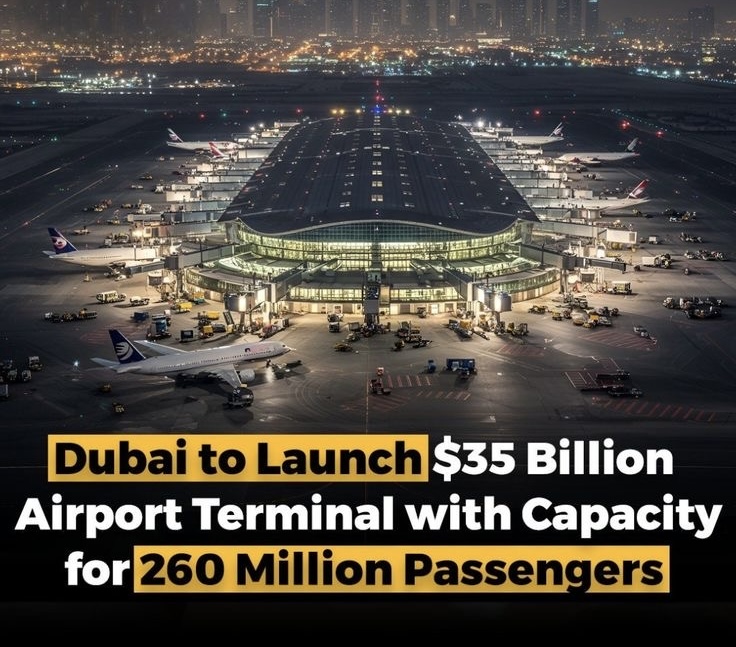
The airport would have an economic impact in Dubai growth
Job Creation and Urban Growth
One of the most exciting aspects of this project is what it means for people living in Dubai. The airport expansion is expected to generate thousands of new jobs in aviation, construction, logistics, hospitality, and retail. Beyond that, the area around the airport, Dubai South, is being developed as a full community with homes, schools, and services for up to one million residents.
So if you’re thinking long-term, AI Maktoum International isn’t just an airport—it’s a future city in the making. And it’s a key part of a wider Dubai Economic Agenda 2033, which aims to make the city one of the world’s top three economies in aviation, tourism, and innovation.
What This Means for Travelers
For the average traveler, this means better connections, shorter transit times, more flight options, and a smoother airport experience. It also means more airlines, more destinations, and the chance to enjoy Dubai’s signature comfort and class from the minute you land.
Imagine stepping off a plane and walking into a futuristic airport where everything works seamlessly, your bags arrive before you do, your check-in is automatic, and your layover feels like a luxury vacation.
A Global Hub in the Making
By 2032, the world will once again turn its eyes on Dubai. Al Maktoum International Airport is not just another ambitious project—it’s a bold statement. A statement that declares: the future of flying is here, and it’s happening in Dubai.
So whether you’re a frequent traveler, an investor, or someone who just appreciates innovation, keep an eye on this mega development. Because when the doors open in 2032, it won’t just be an airport—it will mark the beginning of a new era in global travel.
read also: Dubai Metro and Tram Stations Adopt Drone Tech for Efficient Cleaning

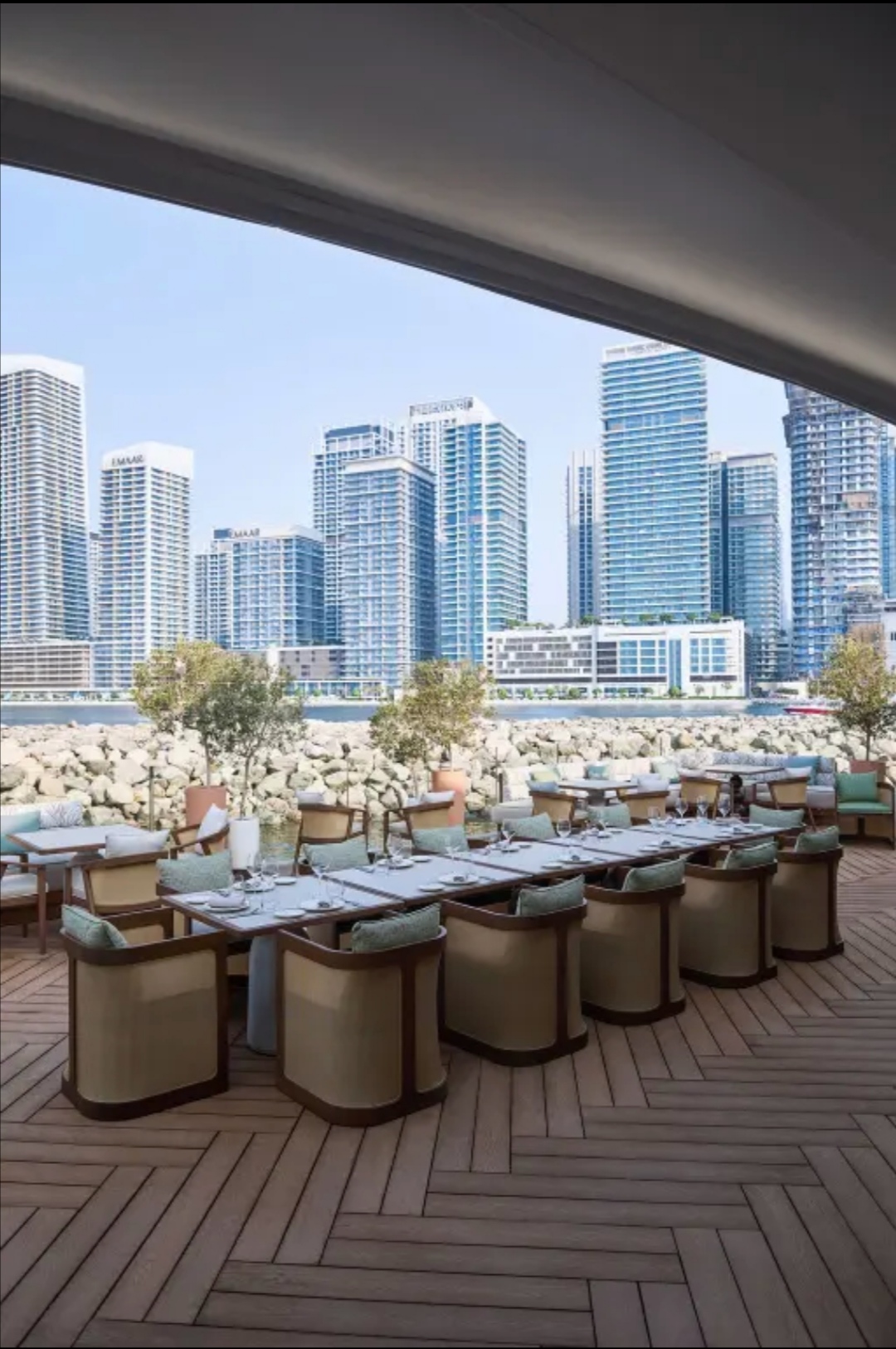
New Dubai’s dining scene has a way of making you rethink your plans. Just when you’ve settled into a routine, a handful of kitchens open with something worth crossing town for. Some are built around a single ingredient or a single counter. Others keep going long after most places call it a night. What they share is a clear point of view on the food itself.
Oltremare
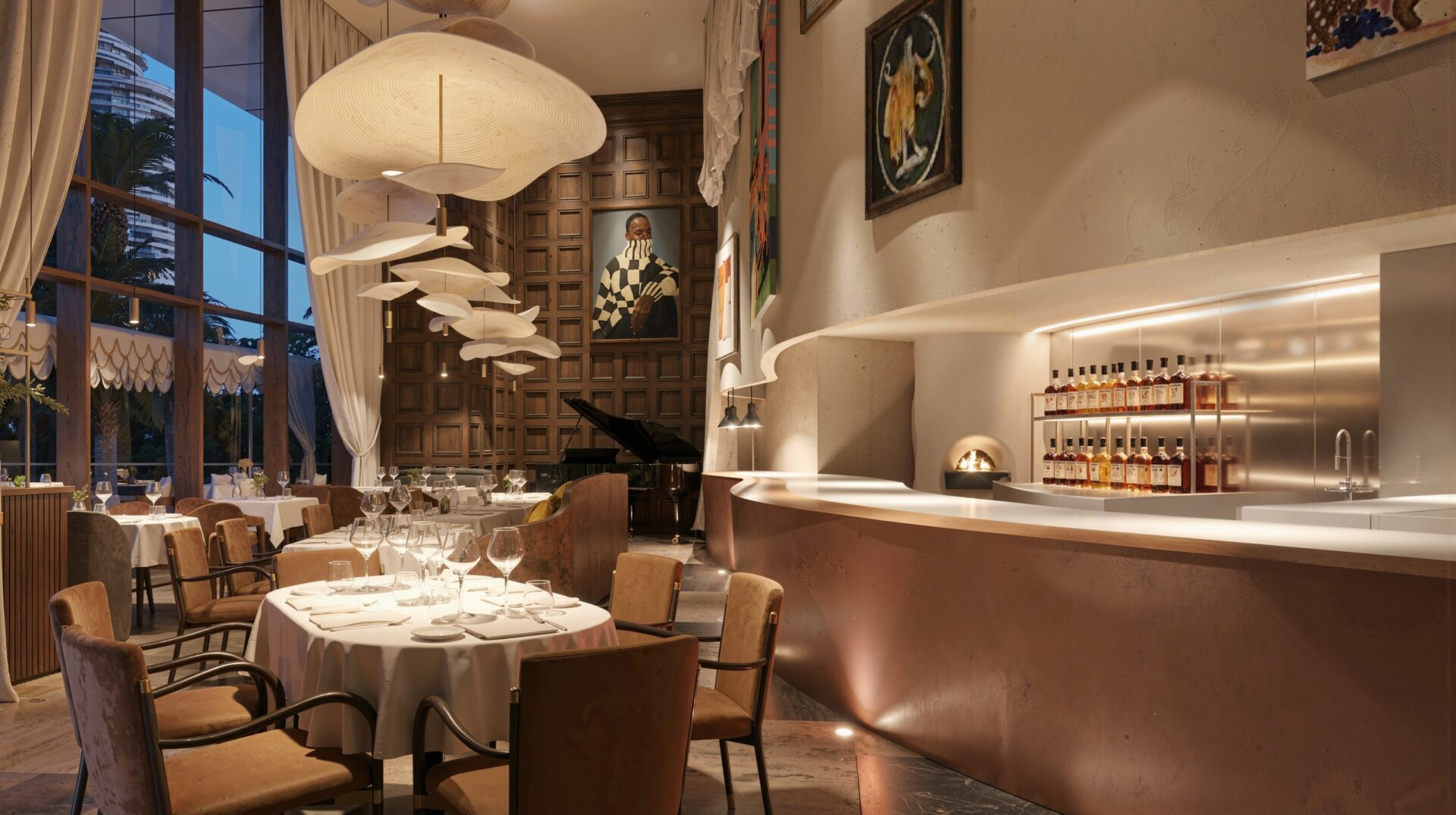
Photo: Instagram/@Emanuelepollini
Downtown Dubai has a new Italian kitchen, oltremare and Emanuele Pollini is the man behind it. London’s Fortune Family brought him in to cook regional Italian food, and his rule is simple: “The most important thing is to enjoy food with respect.” The restaurant opened in March 2026 and sits moments from Dubai Mall’s Fashion Avenue, with a 300-square-metre terrace facing the Burj Khalifa. Once the kitchen winds down, the space turns into a late-night lounge called BLITZ.
Shinobi
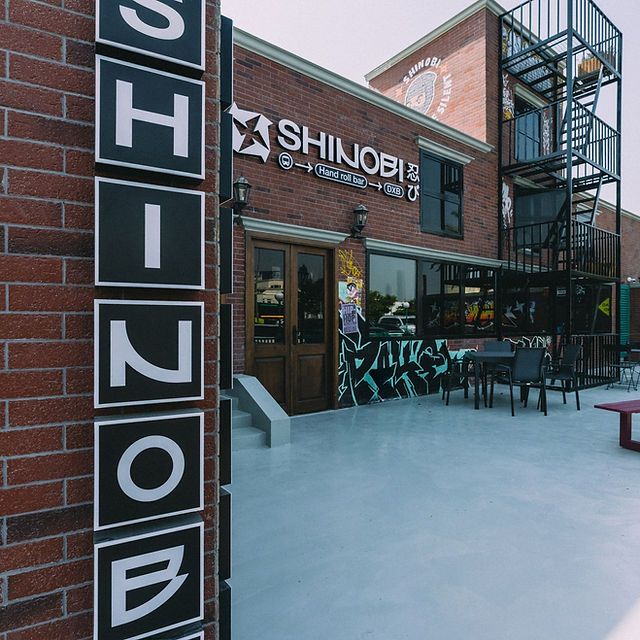
Photo: Instagram/@shinobidubai
Over on Al Wasl Road in Jumeirah 2, Monarch Hospitality Group has opened a handroll bar, Shinobi in a villa. The Michelin Guide points to the spicy tuna and salmon with crispy shallots as the rolls to order. The generously filled mini wagyu tacos are worth adding to the table. Each handroll is made to order and served one at a time, so the nori stays crisp and the rice stays warm.
LOOP
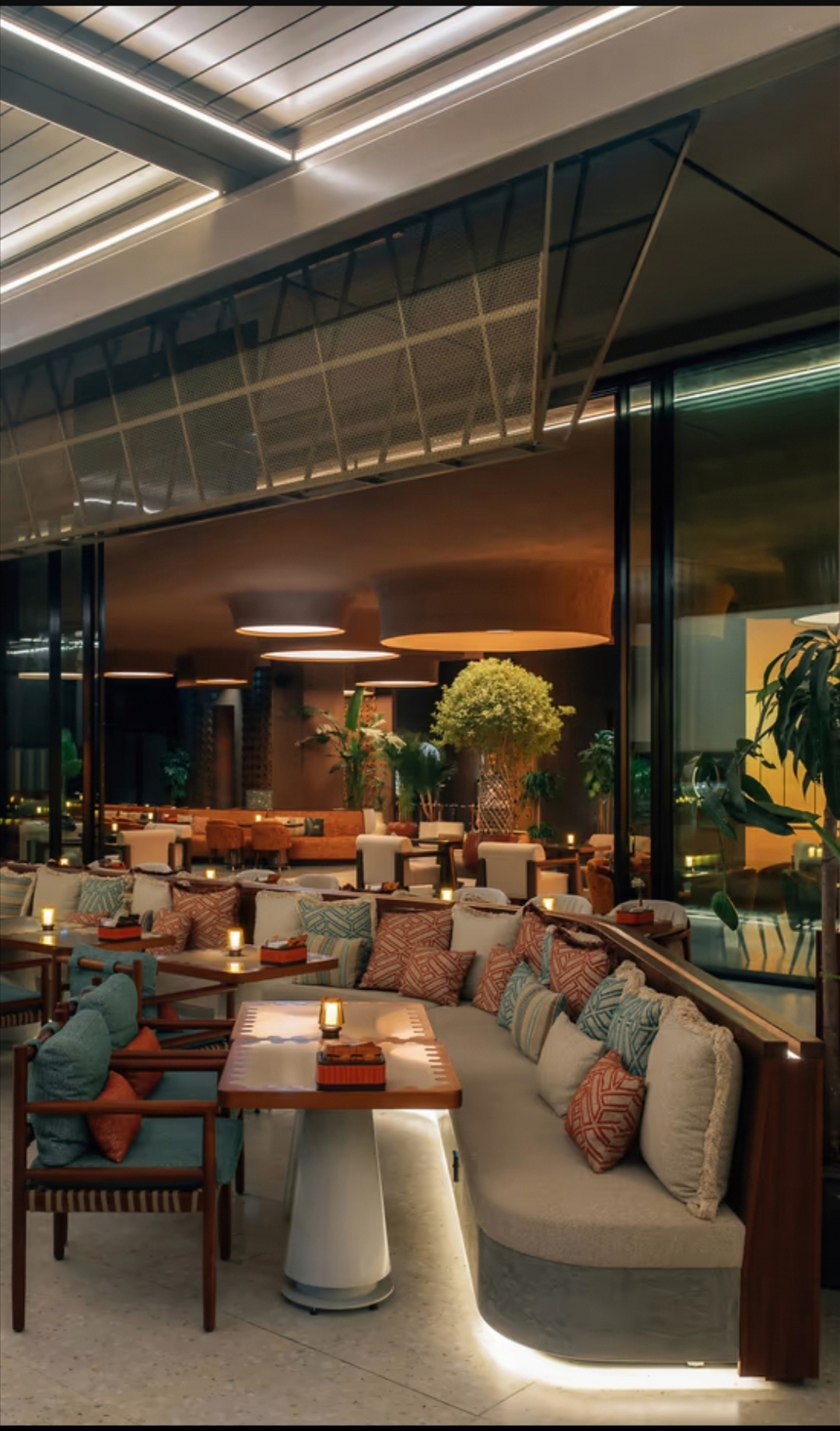
Photo: Instagram/@loop.dubai
Business Bay now has a restaurant that never closes. LOOP sits inside Trillionaire Residences by Binghatti, looking over the Dubai Water Canal, and serves around the clock. Turkish breakfast favourites such as menemen, honeycomb with clotted cream, grilled halloumi and gözleme start the day, then lunches, dinners and shisha carry on through the night. Breakfast at 3am is a legitimate option here, which is exactly the point.
1206

Photo: Instagram/@1206.dubai
On the fourth level of Jumeirah Marsa Al Arab in Umm Suqeim, Stephanie Haywood cooks British food with French, Mediterranean and Scandinavian threads running through it. Two dishes tell the story: a dry-aged beef fat crumpet topped with tartare, horseradish and caviar, and fried chicken wings stuffed with lobster and finished with a house-made fermented hot sauce. Seasonal, locally sourced produce sits at the centre of both.
Casea 101
Photo: Instagram/@casea101dubai
Yannick Alléno’s waterfront restaurant at One&Only The Palm is built for sharing. Seafood towers, crudos, the day’s catch cooked over fire and pizzas pulled from an open kitchen make up the core of the menu. A shaded overwater terrace and access to the resort’s private marina complete the setting on Palm Jumeirah.
Taiga
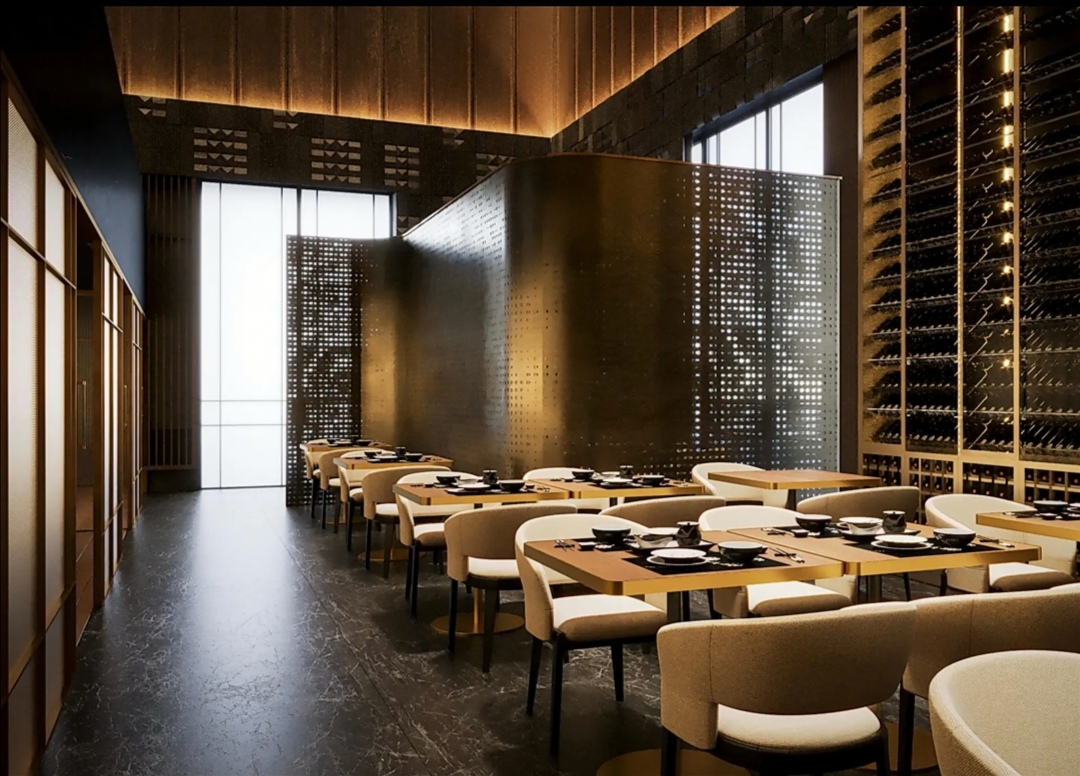
Photo: Instagram/@taiga.japaneserestuarant
Taiga, the new Japanese restaurant on Bluewaters Island, is built around a 19-seat omakase teppanyaki counter. Chefs Takashi Namekata and Hisao Ueda cook the multi-course menu directly in front of you, working with Kobe, Matsusaka and Ozaki wagyu alongside seasonal seafood flown in from Japan.
From a 3am Turkish breakfast to a single counter built around three kinds of Japanese beef, the newest tables in Dubai are making their case through what lands on the plate.

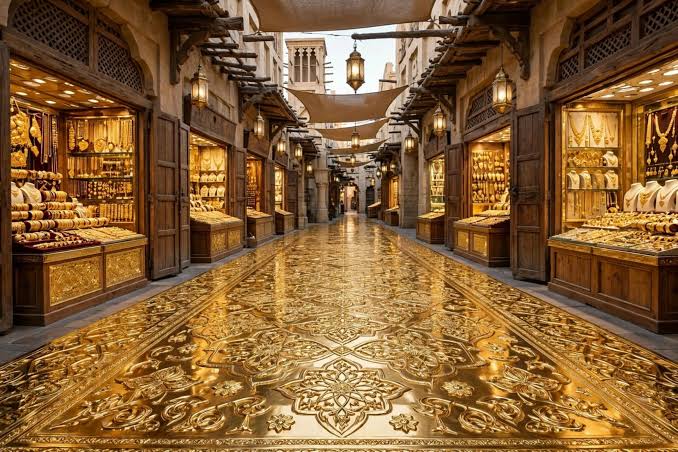
Dubai is set to unveil what is being billed as the world’s first and longest walkway made of 24-karat gold before the end of 2026.
The project is located in Deira, within the Dubai Gold District, a destination launched in January 2026 by Ithra Dubai to consolidate the historic Gold Souk area into a unified hub for gold retail, bullion trading, wholesale and investment. More than 1,000 retailers currently operate within the district.
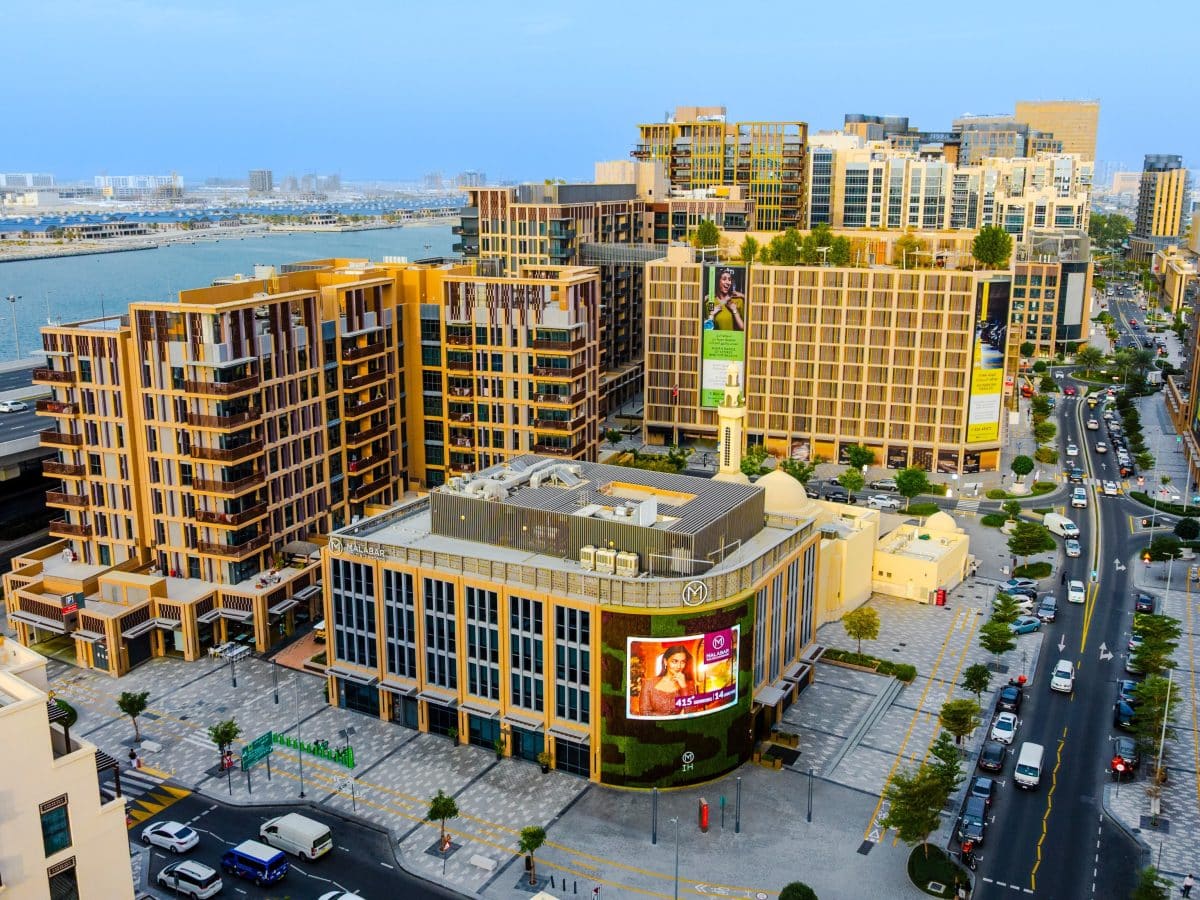
Photo: Getty images
According to Rashid Al Harmoudi, Senior Director of the Commercial Sector at Dubai Gold District, the gold walkway is expected to open to the public within the next two months. The announcement came during an event celebrating two Guinness World Records awarded to Joyalukkas Jewellery for its traditional Jhumka earrings.
Al Harmoudi said the attraction is intended to strengthen Dubai’s position as a global centre for gold trade and tourism, offering visitors a distinctive experience while driving commercial growth in the district. Officials report a 20 percent increase in wholesale gold trading offices and a 15 percent increase in new jewellery and luxury watch stores since the start of the year.
The Dubai Gold District has positioned the walkway as a central feature of its tourism and retail strategy, alongside plans for the largest gold and jewellery trade exhibition in the Middle East.

Photo: Getty images
While the timeline has been confirmed by district officials, key specifications including the walkway’s length, total gold content and construction methodology have not yet been disclosed.
Read Next Post: Jenna Ortega May Take a Break From TV After Wednesday
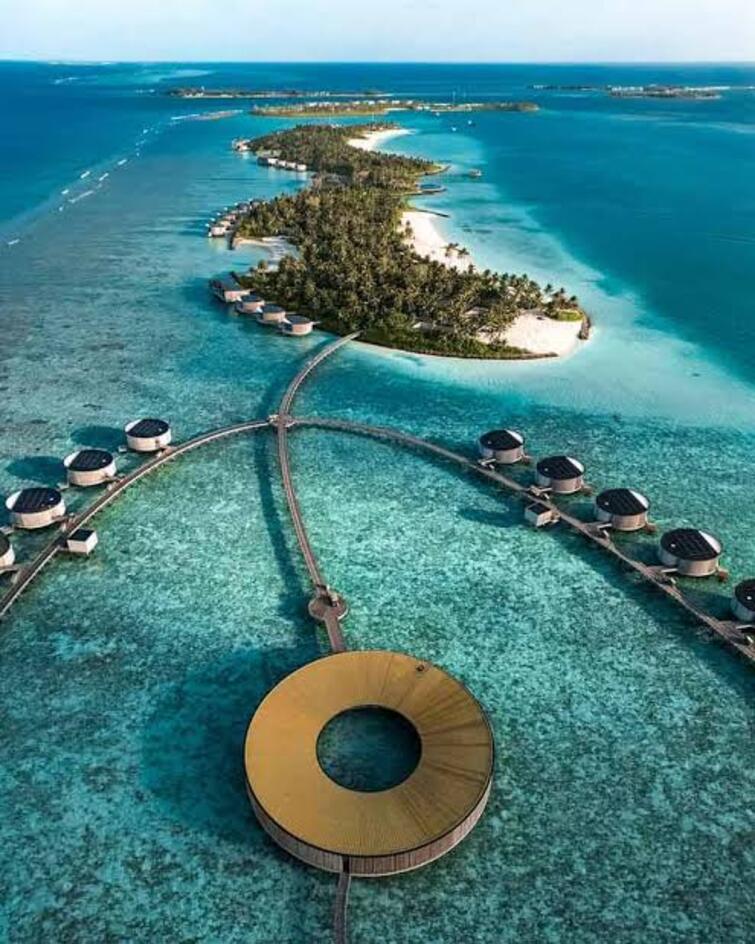
There was a time when the hotel was simply where you stayed after a day of exploring. That has changed. Today, the resort can be part of the destination itself, shaping how travellers spend their time and experience the place around them.
These seven properties are designed around a specific landscape, pace, and idea of luxury, here are the resorts worth building a trip around right now.
Qasr Al Sarab by Anantara, Abu Dhabi
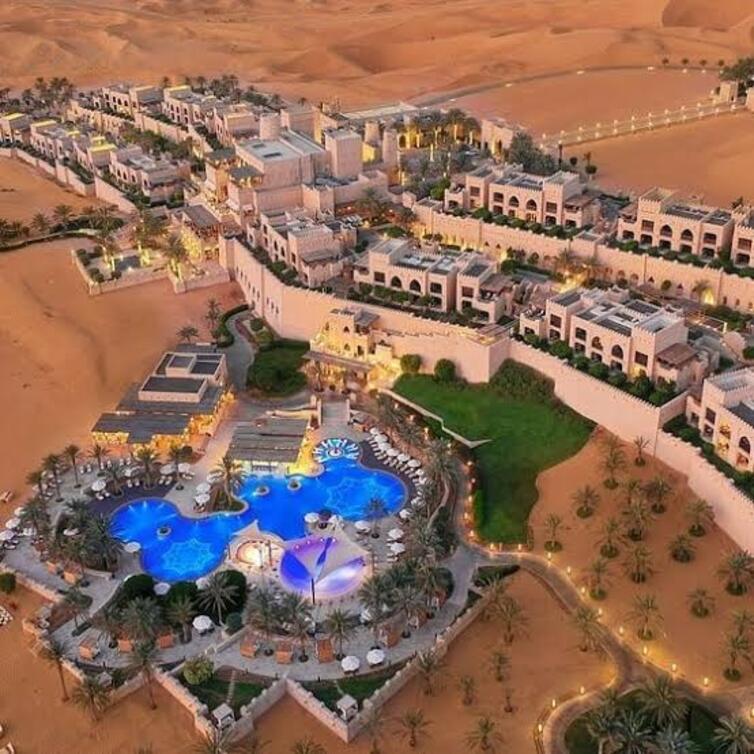
Photo: Instagram/@ thetravelclubb
Two hours outside Abu Dhabi, the Liwa Desert opens into dunes that go on for miles. Qasr Al Sarab sits in the middle of it. Inspired by the region’s traditional forts, the resort has an unmistakably Arabian character, while its secluded setting keeps the atmosphere calm and far from the pace of the city.
Days here can begin with a drive across the dunes or a camel trek before moving into a quieter afternoon at the Anantara Spa, where treatment rooms look out over the desert. The setting makes it easy to put the usual pace of life aside and spend a little longer doing very little.
Mango House Seychelles, Mahé
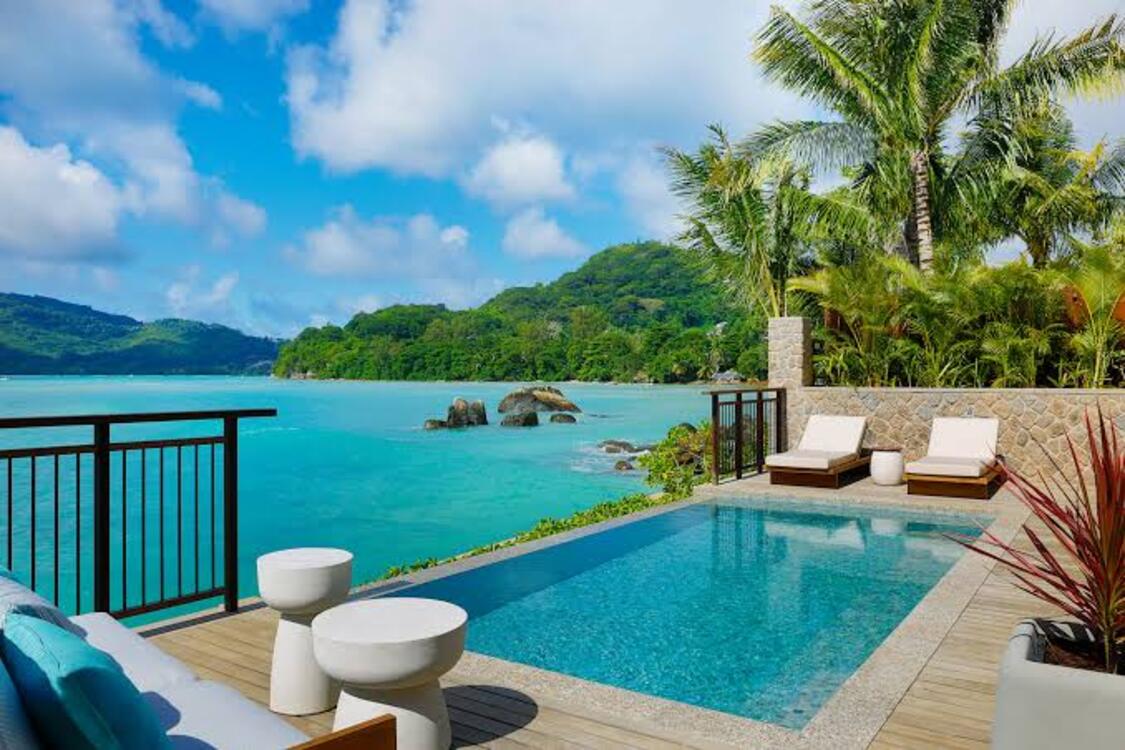
Photo: Instagram/@ Arenatours
On Mahé’s northwest coast, Mango House trades big-resort energy for something smaller. Villas and suites face the Indian Ocean, with private terraces that put the water in front of you all day.
Gh Mango House keeps the pace deliberately easy, with the coastline and Indian Ocean views providing much of the appeal. It is a natural choice for couples who want to experience Seychelles at a slower pace, away from the busier resort crowds.
The Ritz-Carlton Maldives, Fari Islands
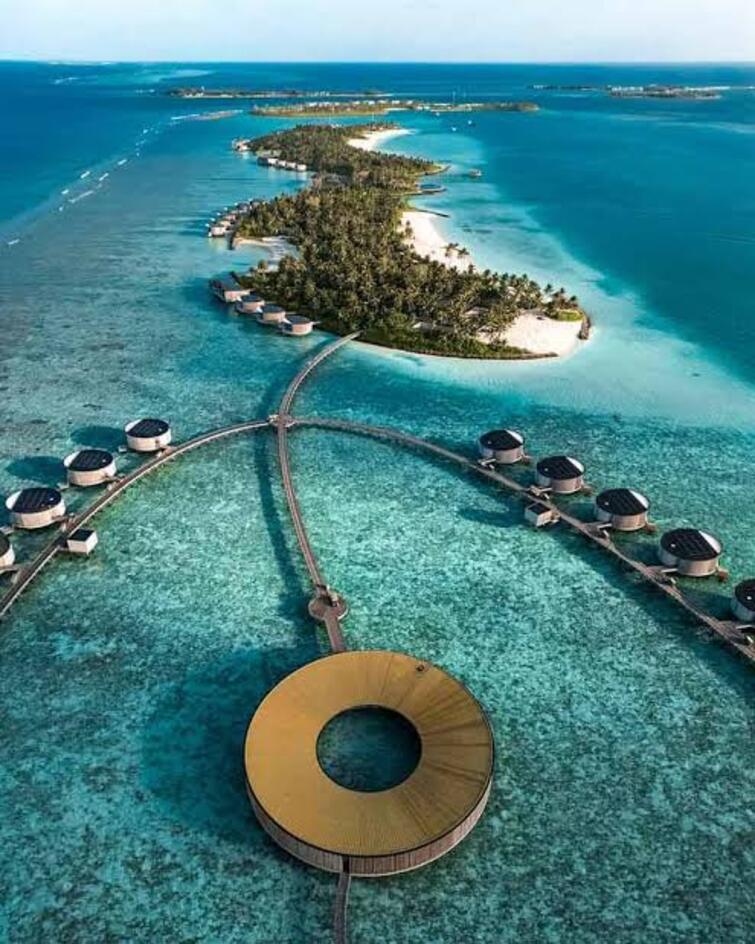
Photo: The Ritz-Carlton
In North Malé Atoll, The Ritz-Carlton Maldives is built around separation and service. Villas sit on their own beach coves or over the water, close enough for families to stay connected but far enough apart to feel secluded.
Each villa comes with an Aris Meeha, the resort’s dedicated island butler. With the Indian Ocean always within view, the experience feels discreet, relaxed and deeply personal.
Soneva Fushi, Maldives
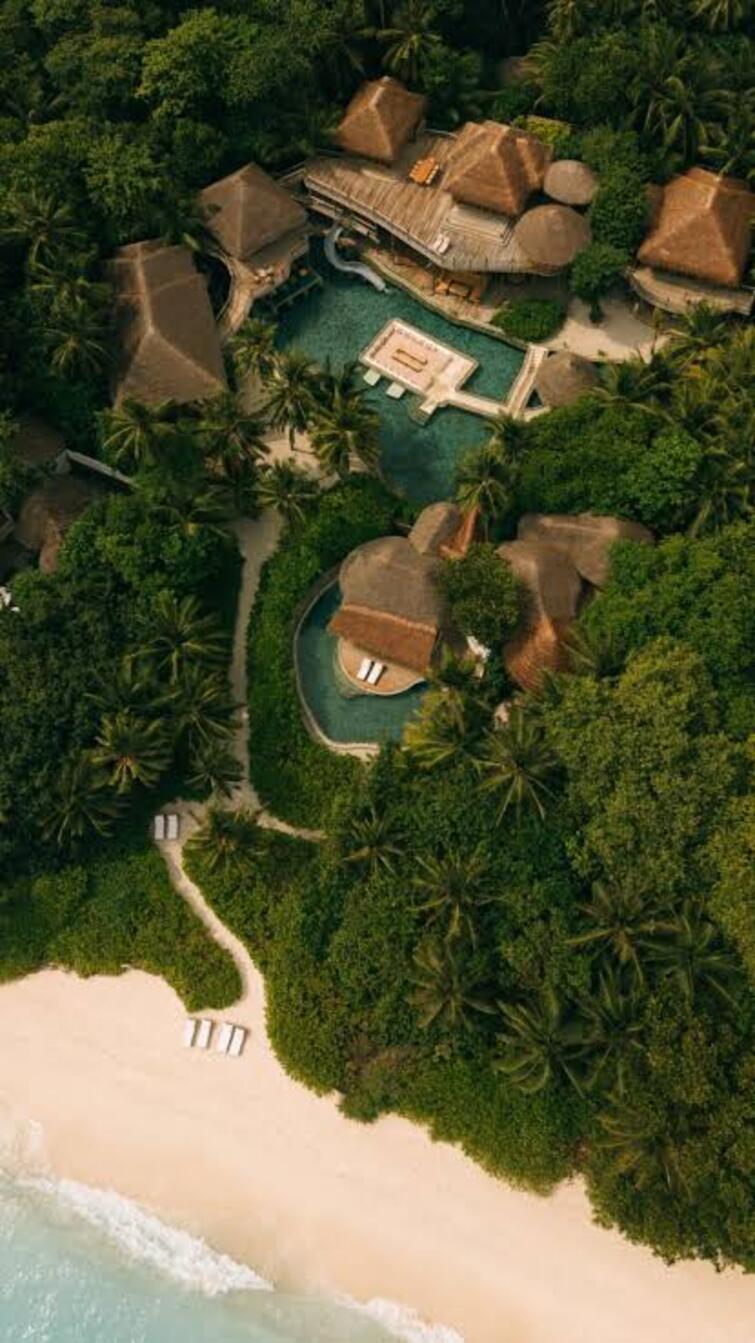
Photo: Soneva
Soneva Fushi takes a different approach to island luxury, placing nature at the heart of the experience. Its villas are surrounded by dense tropical greenery, while the resort’s private-island setting encourages guests to slow down and disconnect, reflected in its “no news, no shoes” philosophy.
There’s Soneva Soul for wellness, a calendar of visiting experts through Soneva Stars, and multiple dining venues. For families, The Den is one of the largest kids’ clubs in South Asia.
Banyan Tree AlUla, Saudi Arabia
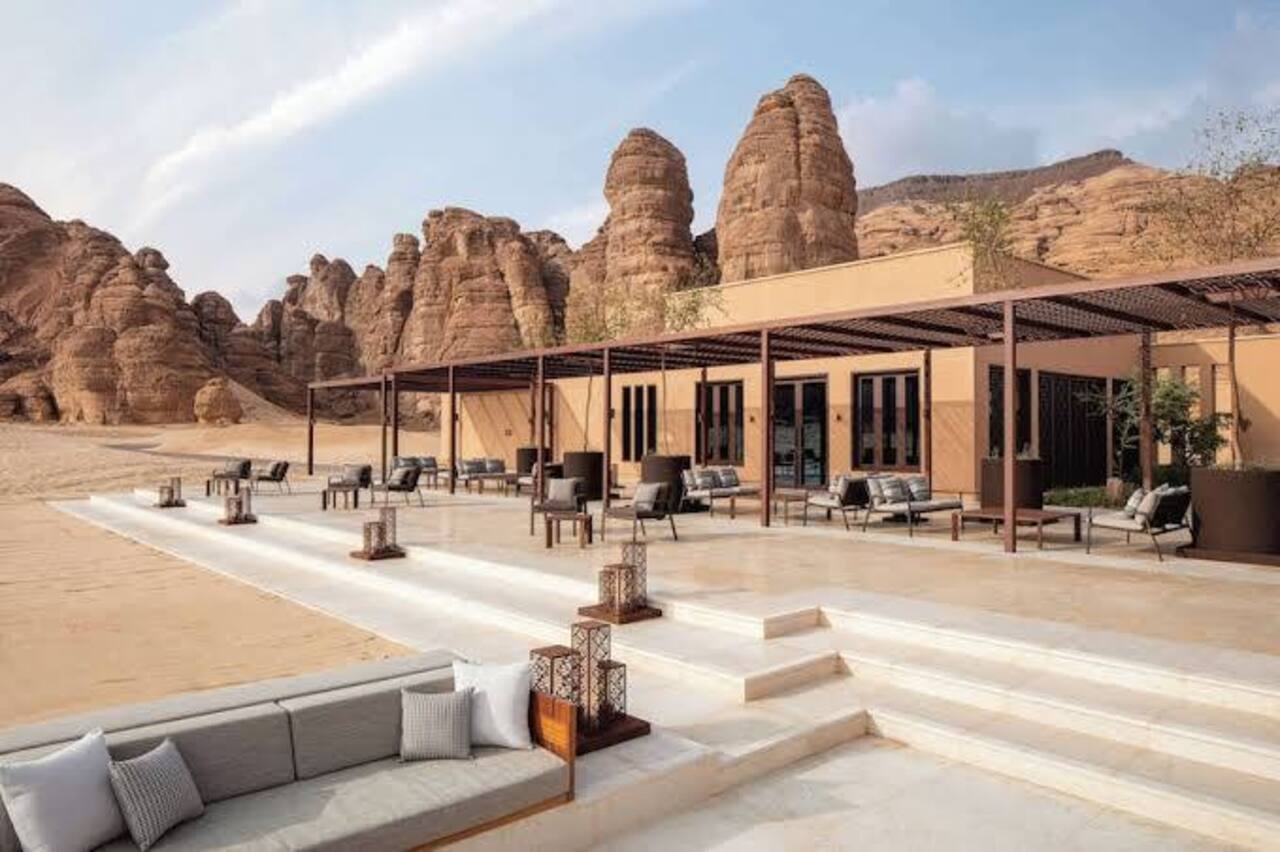
Photo: Accor
In Wadi Ashar, AlUla, Banyan Tree built an all-villa resort that sits low against the rock formations.
This is a destination for travelers interested in Saudi Arabia’s cultural sites who also want space to decompress. Days are spent exploring AlUla’s archaeology. Evenings are spent watching the light change over the cliffs from your villa terrace.
The Leela Palace Udaipur, India
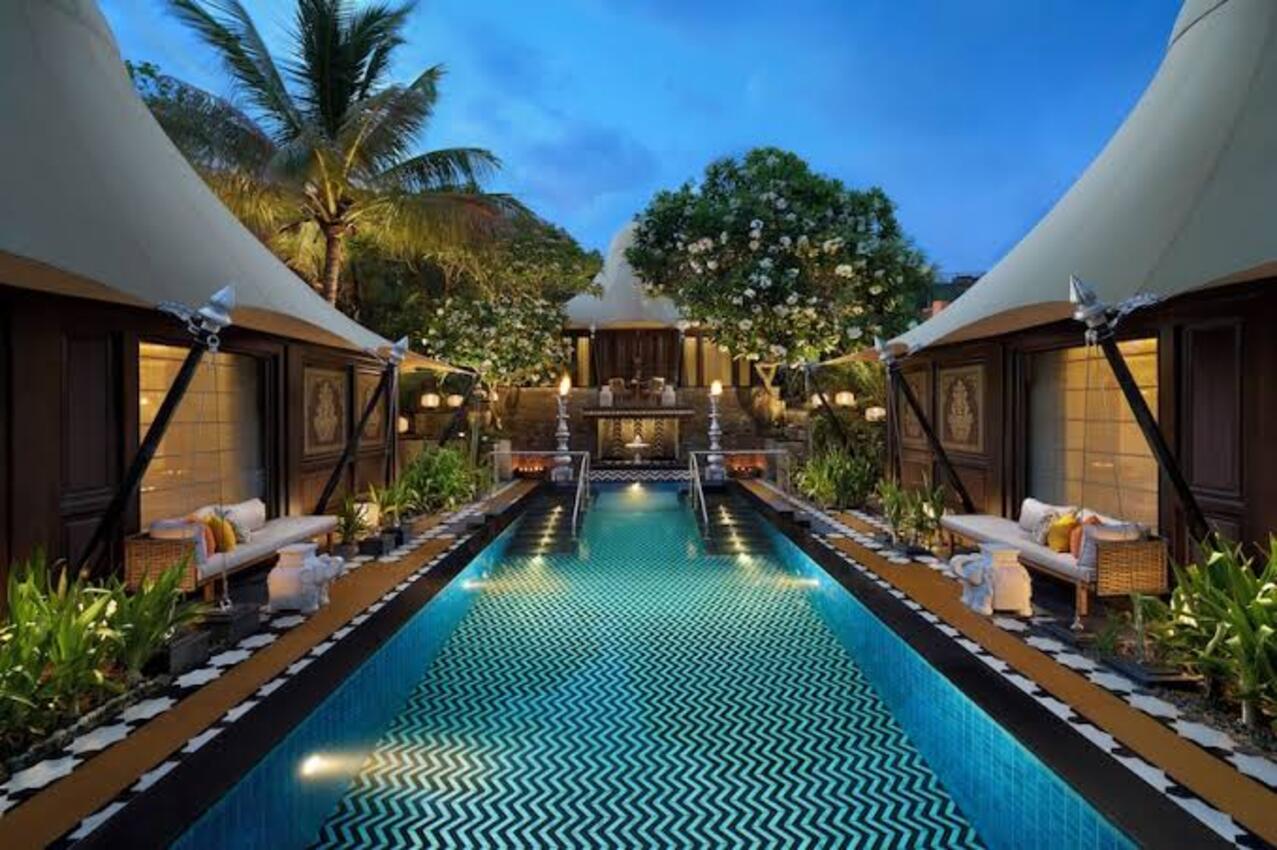
Photo: Instagram/@ theleelapalaceudaipur
On Lake Pichola, with the Aravalli mountains behind it, The Leela Palace Udaipur connects a resort holiday to Rajasthan’s heritage.
Beyond the lake views, the property programs folk performances, Pichwai painting sessions, and guided visits to historic sites.
Patina Maldives, Fari Islands
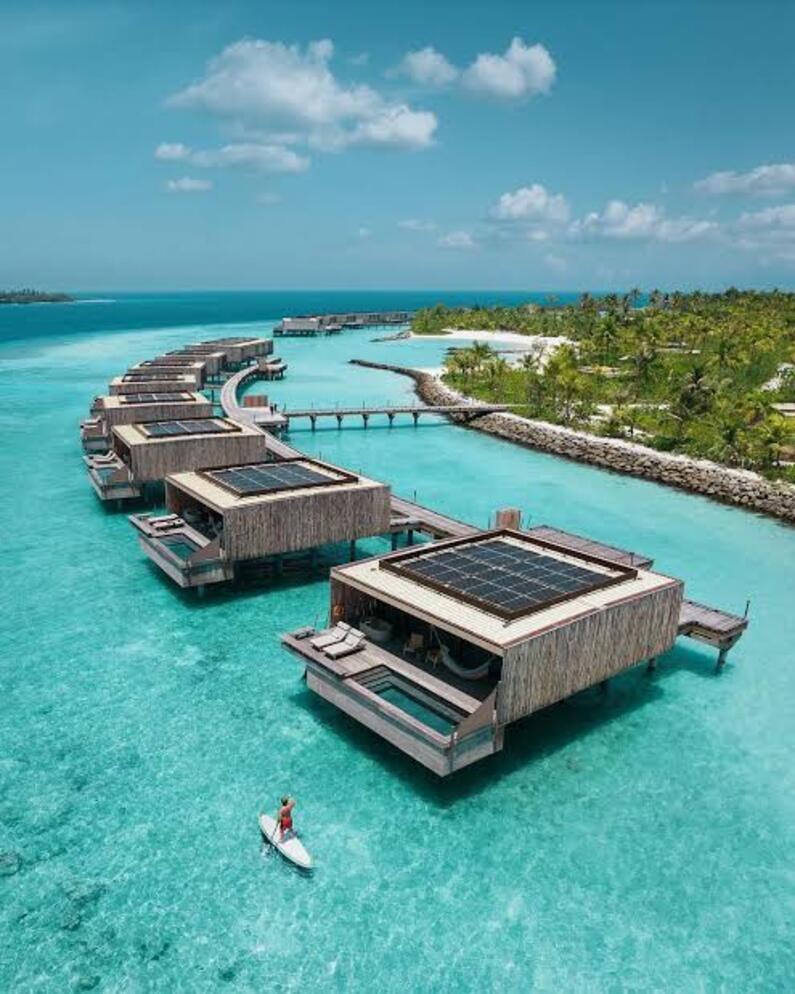
Photo: Instagram/@ makeplansholidays
Also in the Fari Islands, Patina Maldives approaches the Maldives differently. The design is contemporary: Beach and Water Pool Villas, plus Fari Studios, all built around light and open space.
The programming is what sets it apart. Picture tailor-made wellness, chef collaborations, and Cosmopolitan Ocean, a series of art and music installations with international creatives.
What ties them together
These resorts span deserts, lakes, and oceans. They serve couples, families, and solo travelers. But they share one principle: the location leads.
Read Next Post: Everything You Missed as Chanel Celebrates 25 Years of Coco Mademoiselle

What the Corporate Girlies are Wearing this Winter

The Best New Restaurants in New Dubai to Visit Now

Travelling This Winter? 7 Essentials for a Stylish Airport Look


-

 Celebrity news4 months ago
Lamar Odom Explains His Comments About Marrying Khloé Kardashian for Fame
-

 Top Xclusiv5 months ago
Anne Hathaway Reveals She Is Pregnant With Her Third Child
-

 Top Xclusiv5 months ago
Khloé Kardashian Opens Up About Her Cosmetic Enhancements and Injectables
-

 Jewelry5 months ago
Saudi Jewellery Brands Worth Knowing
-

 Top Xclusiv5 months ago
Why Kourtney Kardashian didn’t Include Scott Disick in Her Father’s Day Tribute
-

 Fashion5 months ago
Inside Ralph Lauren Men’s Spring 2027 Ready-to-Wear Collection
-

 Celebrity news5 months ago
Kourtney Kardashian Reveals Her Framed ‘Travis I’m Pregnant’ Sign Still Hangs in Her Home
-

 Wellness5 months ago
4 Tasty Ways to Add More Protein to Your Meals