
Beauty
6 Facial Laser Hair-Removal Devices for Smoother Skin

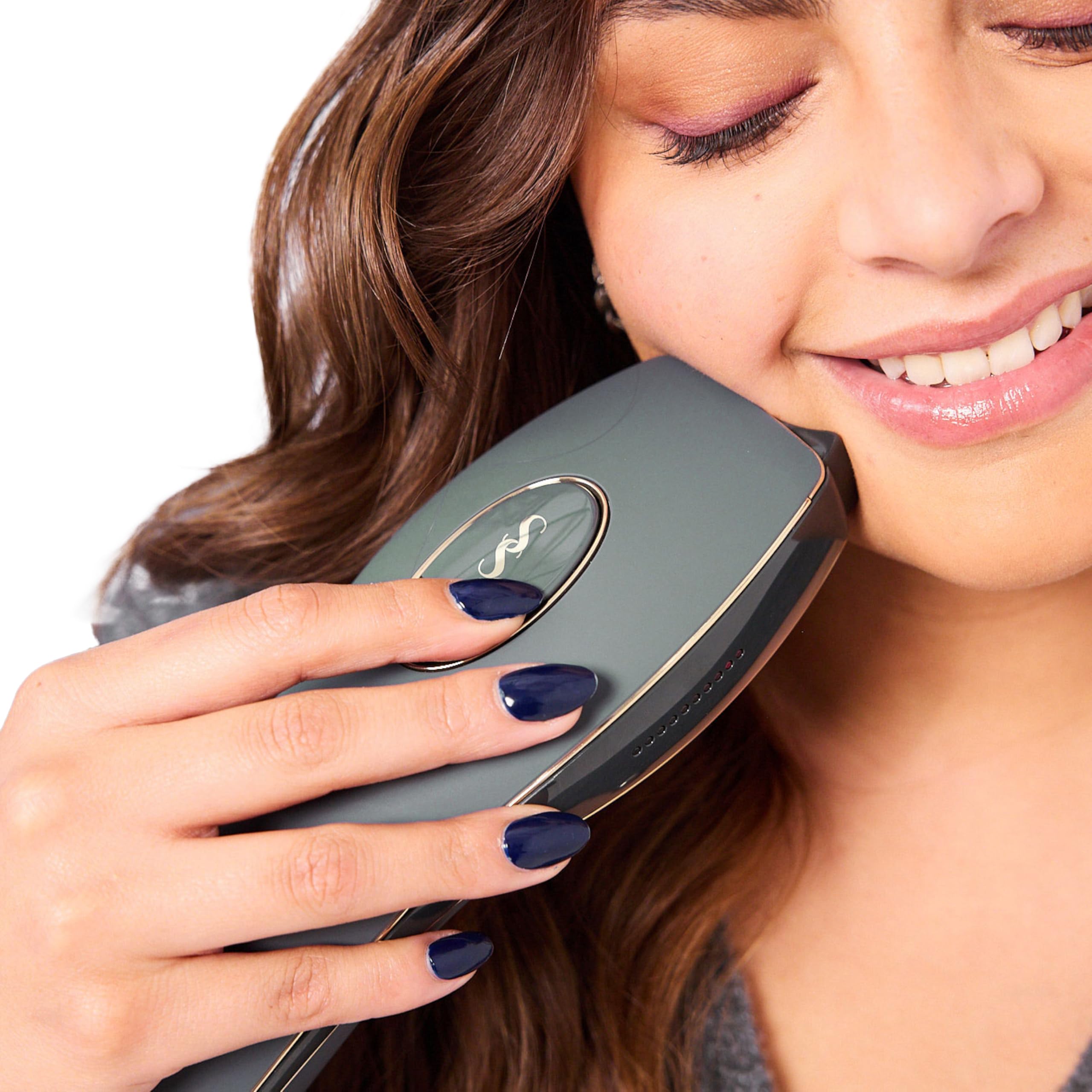
At-home laser hair removal devices are transforming the way people manage unwanted facial hair, offering a more convenient path to smoother, clearer skin. These devices use light energy to target hair follicles, which slows down growth over time and makes hair come back less often.
Here are six of the best facial laser hair-removal devices worth considering
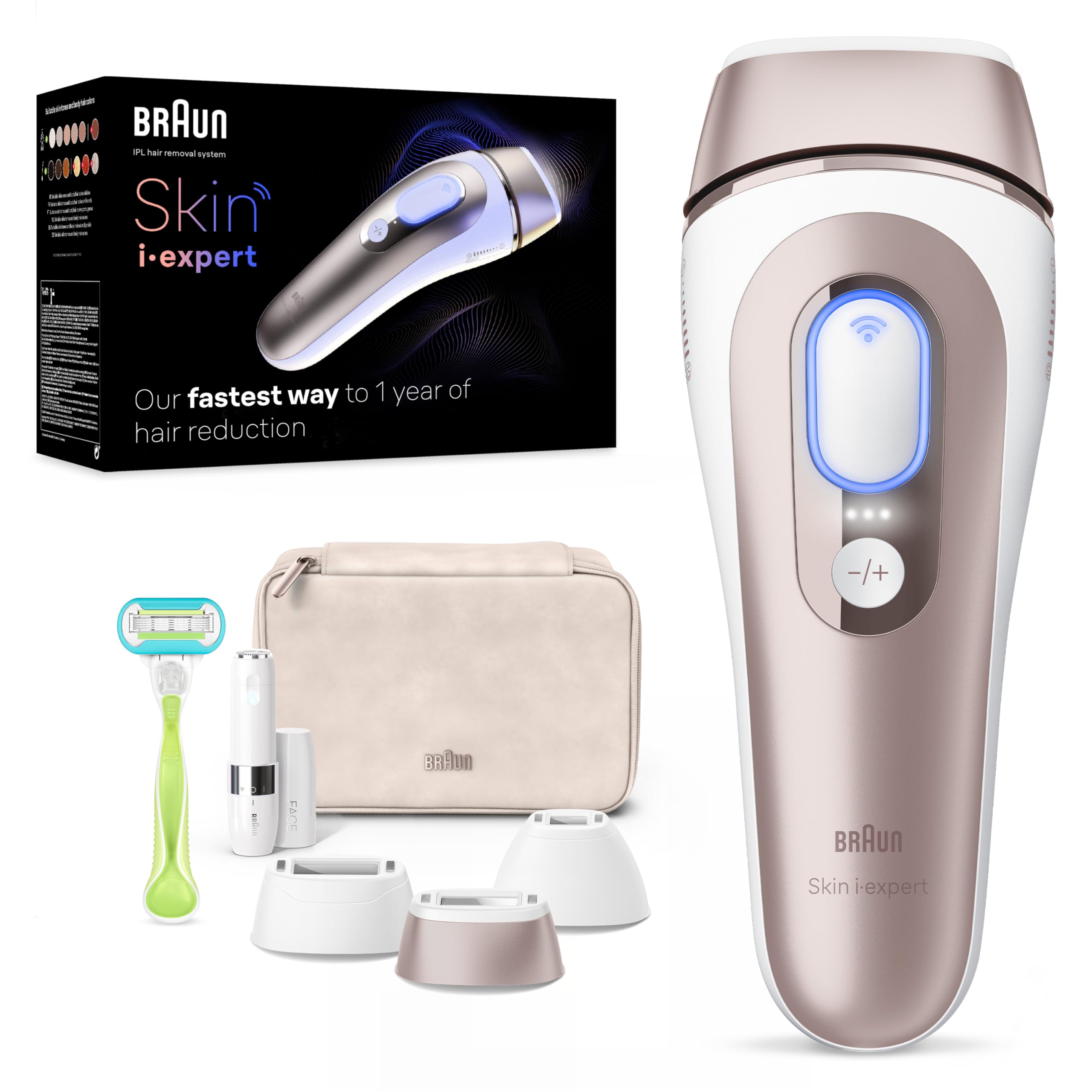
Image: uk.braun.com
Braun Skin i-Expert IPL: This smart device automatically adjusts to your skin tone, which helps ensure safe and consistent results with little guesswork.
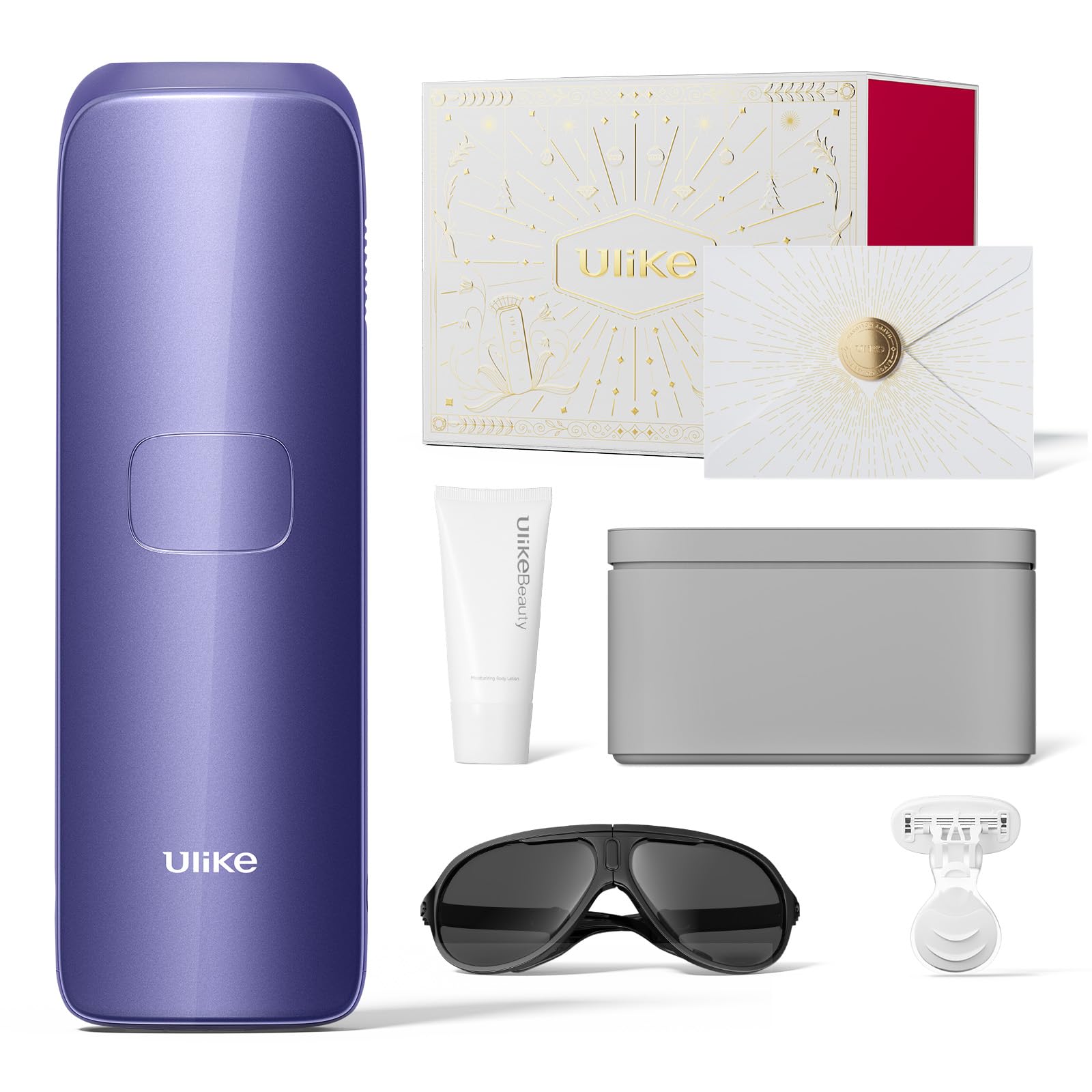
Image: ulike.com
Ulike Air 3 IPL: This device is popular for its cooling technology, which makes treatment less painful while still effectively targeting hair roots.
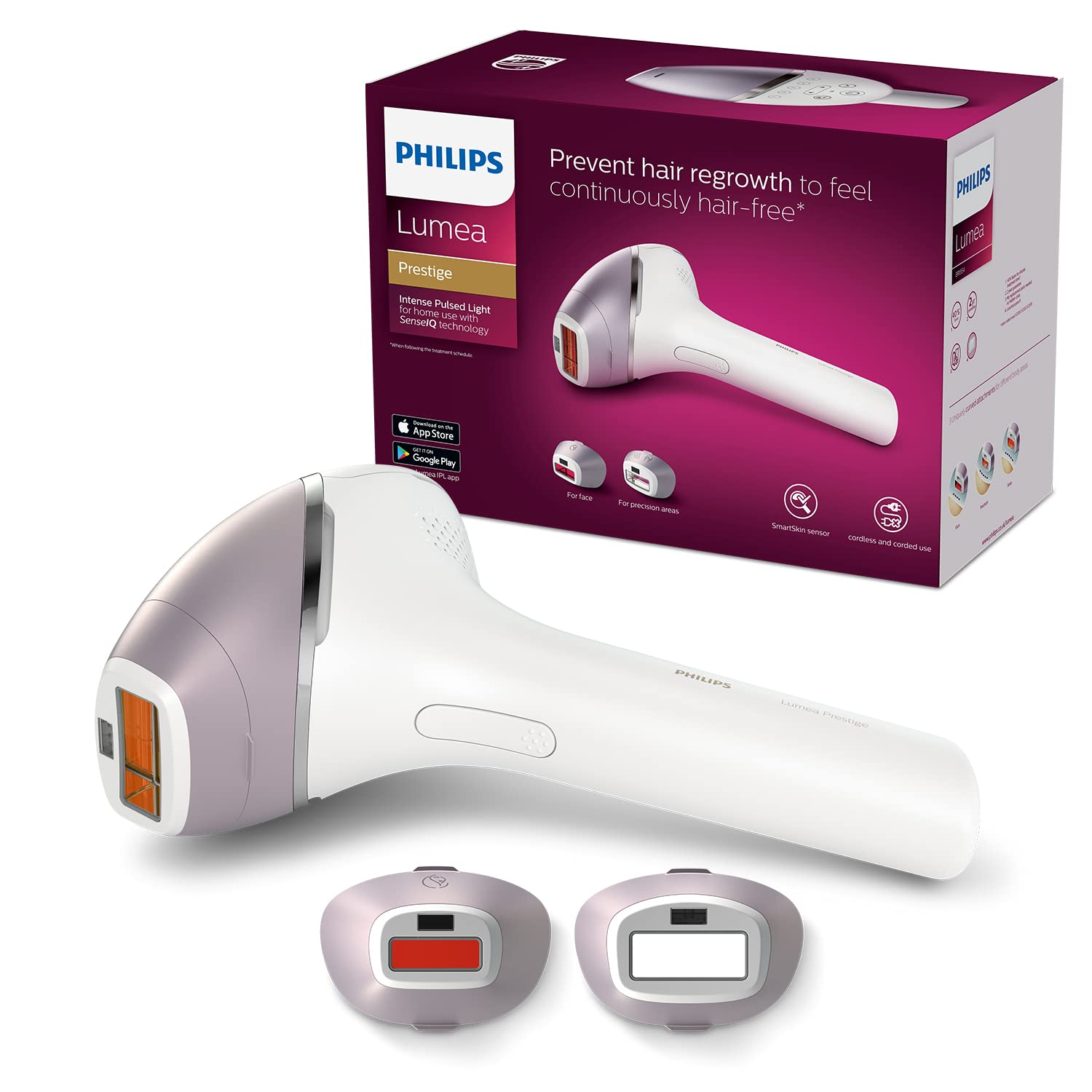
Image: www.philips.com
Philips Lumea Prestige: This works well on sensitive areas of the face, like the upper lip and chin, because it comes with different attachments for different areas.
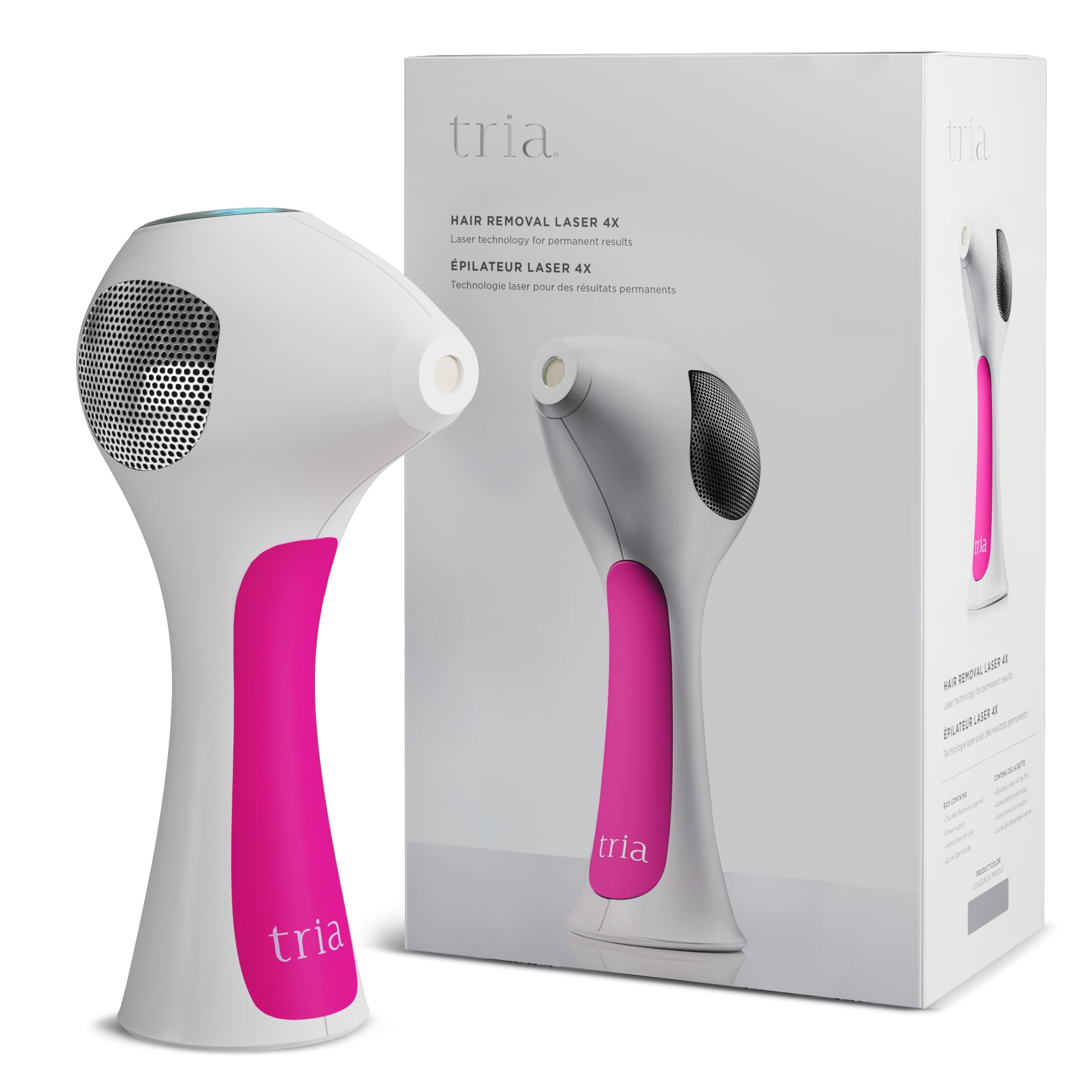
Image: www.trialaser.com
The Tria Beauty Laser 4X: This device uses diode laser technology instead of IPL, which makes it better at getting rid of stubborn hair.
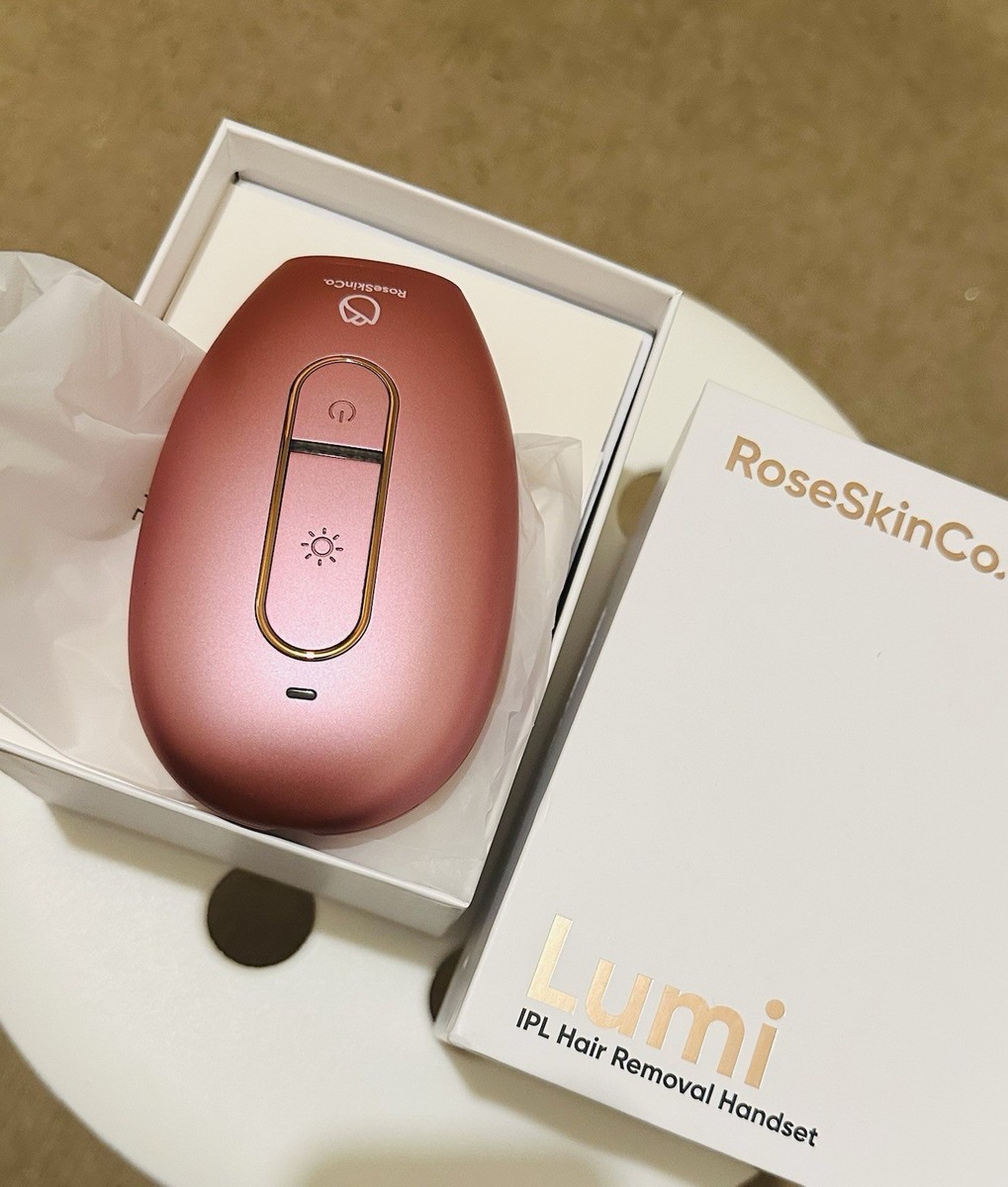
Image: roseskin.co
Lumi IPL from RoseSkinCo: The Lumi IPL from RoseSkinCo is small and easy to use, and it doesn’t hurt. You can see results in a few weeks.
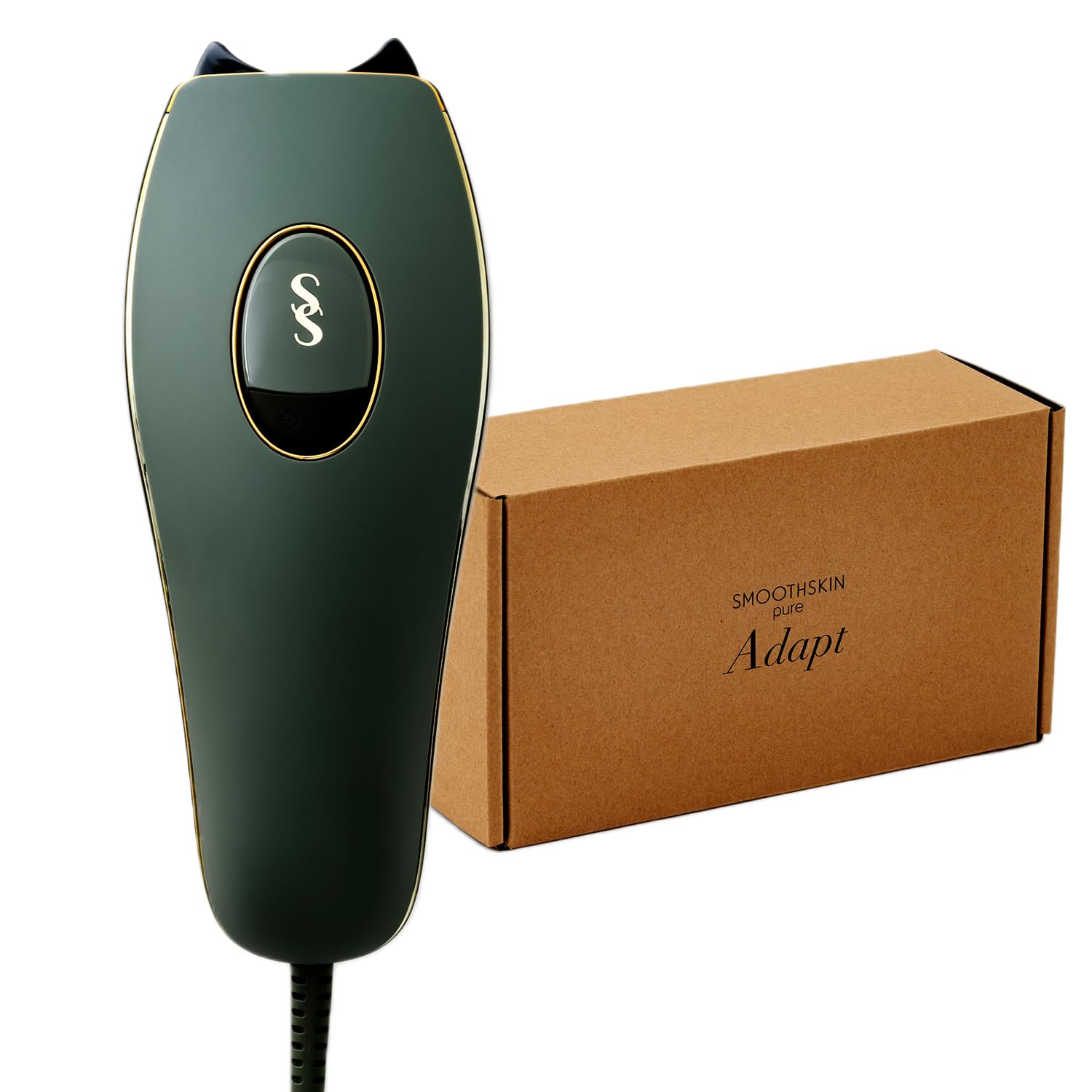
Image: Amazon.com
Adapt SmoothSkin Pure: Designed for speed and convenience, it automatically adjusts intensity and can result in reduced hair growth after just a few sessions.
Most at-home devices use IPL (intense pulsed light). It works best on darker hair and lighter skin tones because it targets pigment in the hair. Results don’t happen right away, but after a few weeks of regular use, hair grows back finer and more slowly.
Overall, these devices provide a practical long-term solution for hair removal, helping to maintain smoother skin with less frequent upkeep.
read more: The New Beauty Trends, Tools and Treatments Set to Take Over 2026

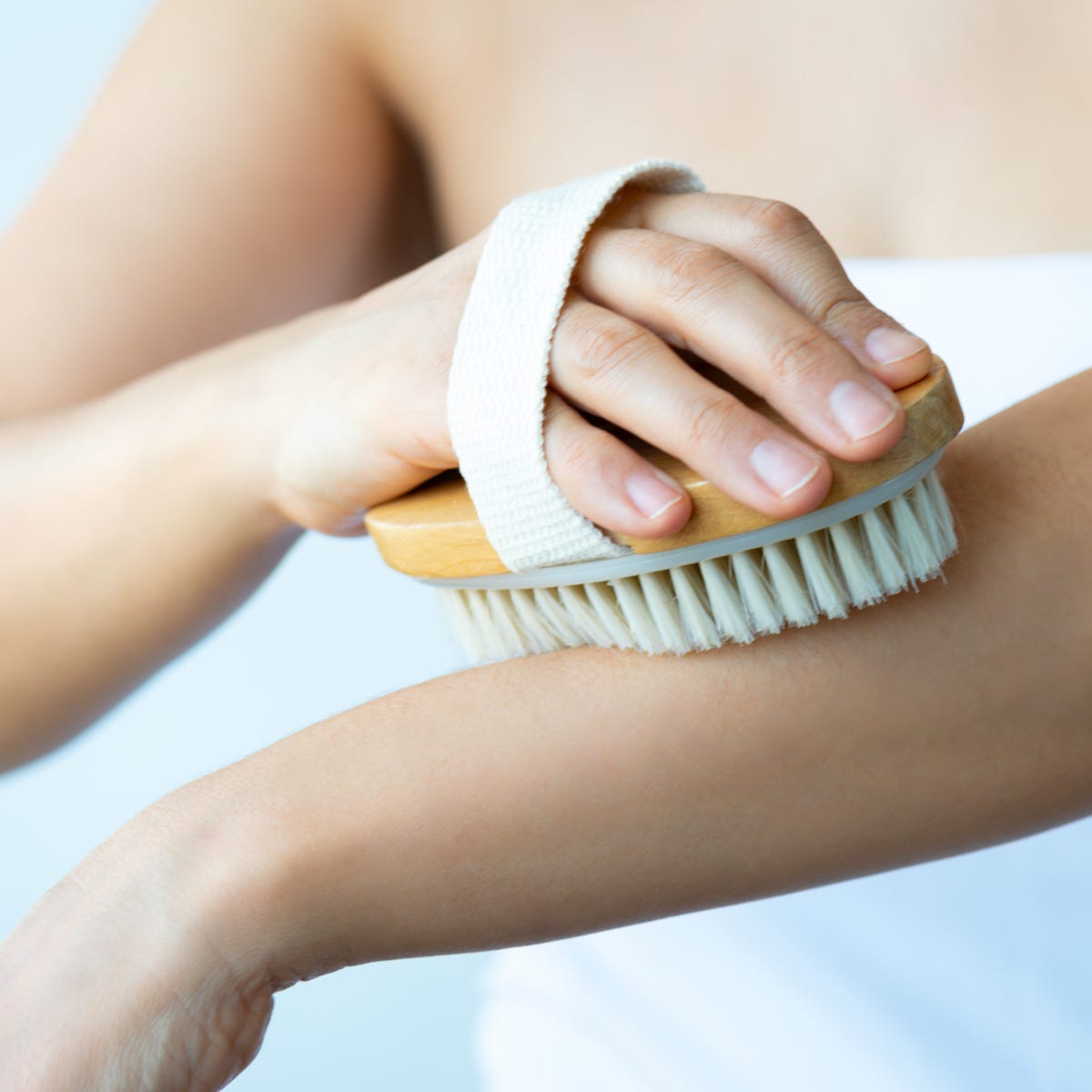
There is something satisfying about dry brushing before a shower. A few gentle passes with a body brush can sweep away surface buildup and leave the skin feeling noticeably smoother. The ritual has become a familiar part of body care, but its beauty benefits are more straightforward than some of the bigger claims surrounding it. It’s low effort, costs almost nothing, and for many people the payoff is immediate.
That said, some of the claims surrounding it go beyond the evidence. Dry brushing does offer real benefits for texture and routine, but it won’t detox your body or erase cellulite. Here’s what it can actually do, how to do it right, and when to skip it.
What Is Dry Brushing?
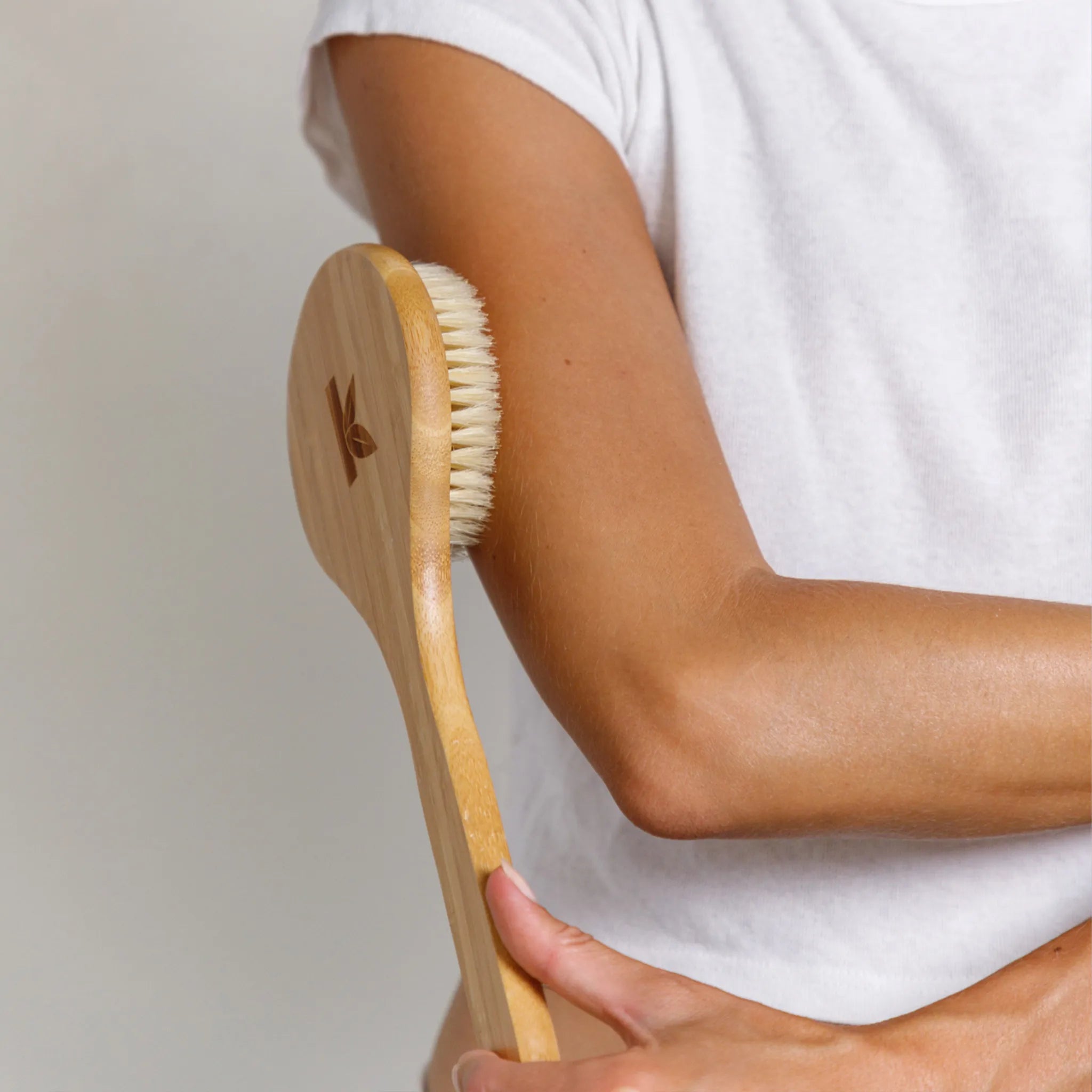
Photo: Seek bamboo
It’s a form of physical exfoliation done on dry skin, usually right before bathing. The practice has roots in Ayurvedic traditions, and today it’s used mostly for its exfoliating and sensory effects.
The bristles remove dead skin cells from the surface. After a few minutes, the skin can feel smoother and softer to the touch.
It Gently Exfoliates
This is the clearest benefit. As the brush moves over the skin, it sweeps away dead cells that can make areas like elbows, knees, and shins feel rough.
There’s also a practical side effect. When that top layer is gone, body lotions and oils go on more evenly. The key is pressure rather than force, so keep the brush light and gentle against the skin. Brushing too hard can leave the skin red or irritated, while lighter strokes are enough to exfoliate.
It Can Make Skin Look Smoother
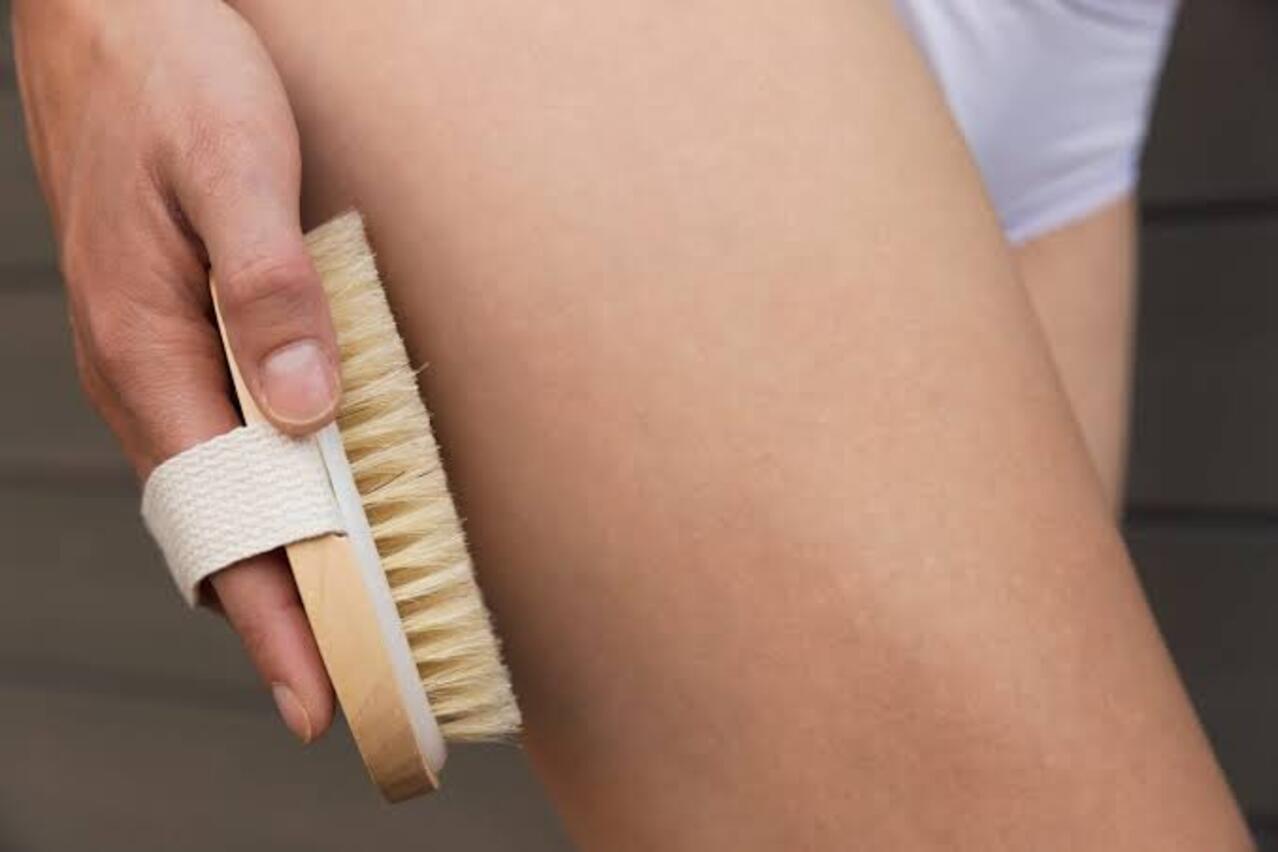
Photo: Getty images
By removing buildup on the surface, dry brushing gives skin a temporarily more refined look. The effect is cosmetic and temporary
For softer, smoother skin, follow dry brushing with a moisturizer. After your shower, apply it while your skin is still slightly damp to help lock in moisture. That combination can help keep skin feeling soft for longer.
It Turns Body Care Into a Ritual
Part of the appeal has nothing to do with skin cells. Taking two to three minutes to brush the body before a shower slows the routine down. The repetitive motion can feel calming when you keep the pressure light.
It May Temporarily Minimize the Appearance of Cellulite
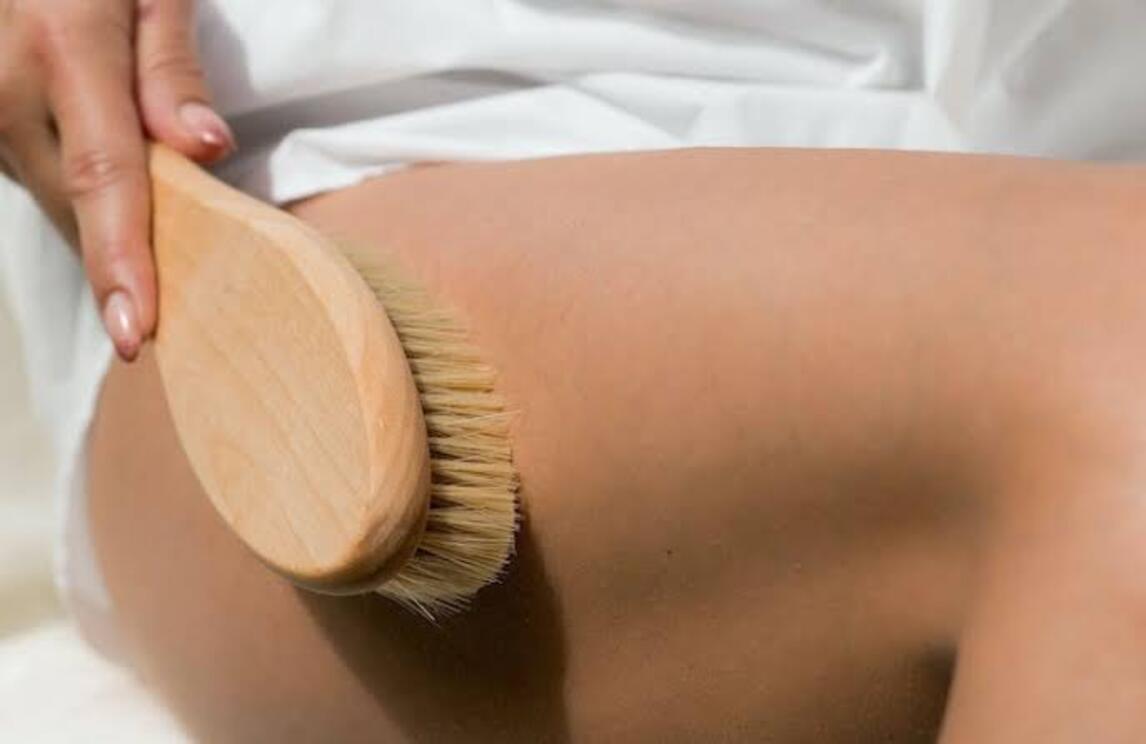
Photo: Shutter stock
Cellulite is common. It happens when fat pushes against the connective tissue under the skin. Dry brushing is often marketed as a fix, but there’s no solid evidence it changes cellulite long term.
What can happen is temporary. Massage and mechanical stimulation can shift fluid and plump the skin slightly, which may make dimpling less visible for a short time. That’s likely where the reputation comes from. Any improvement should be viewed as temporary, not a treatment for cellulite.
It Makes You Pay Attention to Your Skin
One of the more useful effects simply becoming more aware of your skin. When you’re brushing, you notice dry patches, rough spots, and areas that need more care. It turns body care into a more intentional routine: brush gently, shower, then moisturize.
Dry brushing is a useful addition to a body-care routine, but only if expectations stay realistic. It exfoliates well, can make skin feel smoother, and it adds a small, grounding ritual to the day.
Read Next Post: 4 Types Of Blush And How To Apply Them
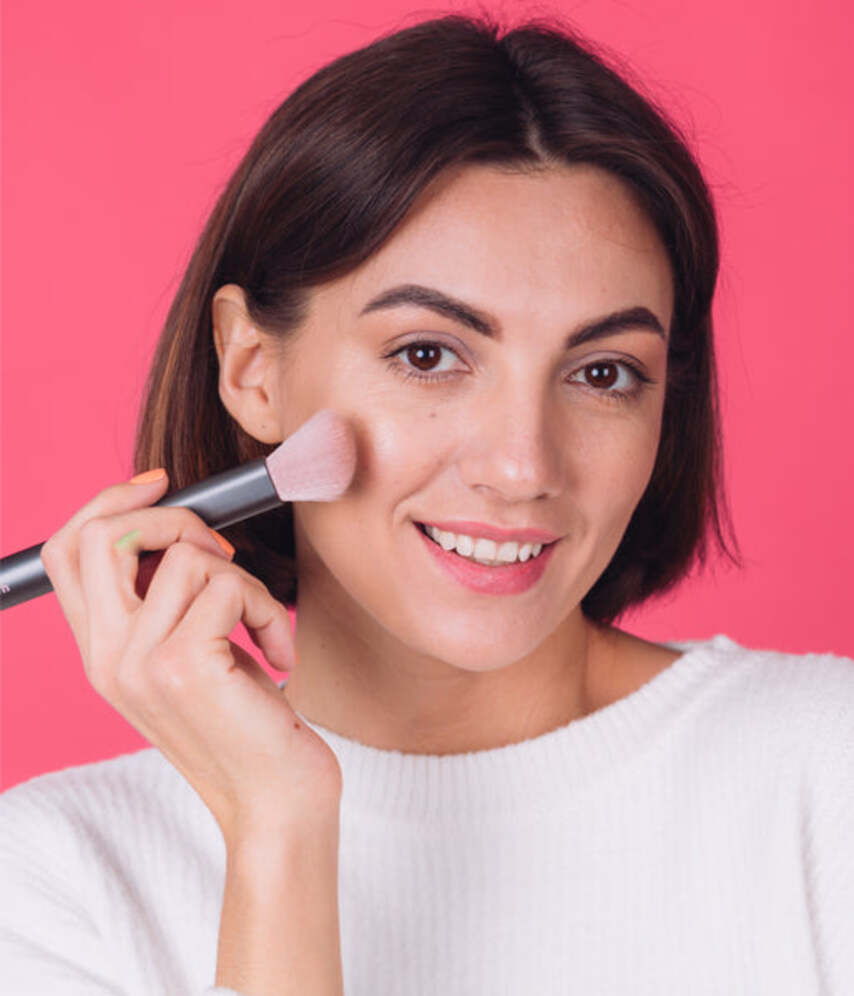
Blush can change the overall appearance of a makeup look, adding colour, warmth and dimension to the cheeks. The right formula also affects the finish, wear and application technique.
Here are four types of blush and how to apply them.
Pressed Powder Blush
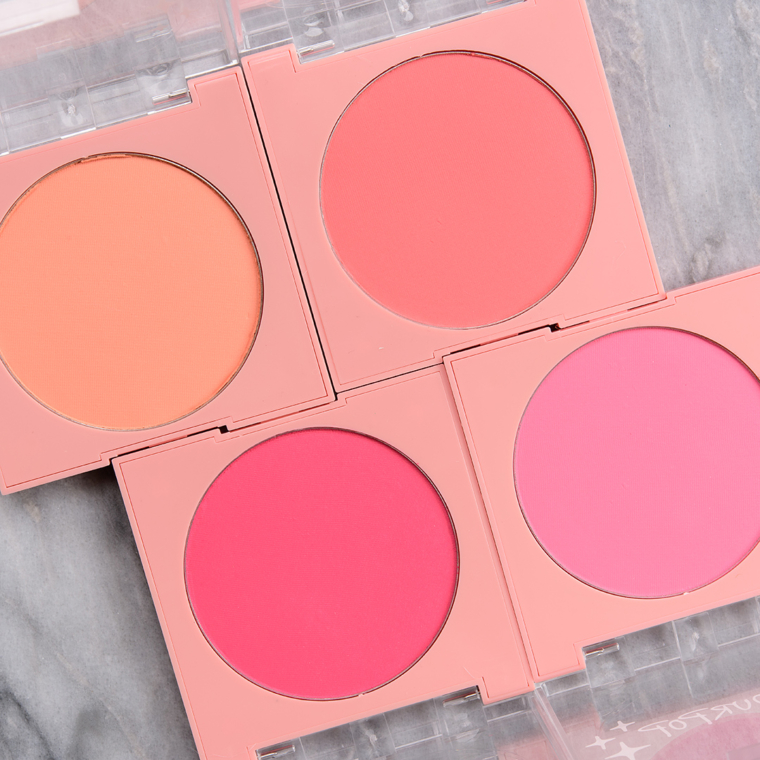
Photo: Temptalia
What it is:
Pressed powder blush remains one of the most versatile formulas. Available in matte, satin, luminous and shimmer finishes, it can create a sheer wash or a more defined cheek. It can be applied to bare skin or over foundation once the base has set.
What finish it gives:
Depending on the formula, pressed powder blush can give anything from a soft matte finish to a luminous or shimmery effect, with the intensity controlled through layering.
Who it is best for:
It is particularly useful for those who want control over the intensity of their blush, as well as beginners who prefer a formula that can be built gradually. It can also be used over cream or liquid blush to set the colour and extend wear.
How to apply it:
Start with a small amount and add more as needed. Use a fluffy brush to distribute the colour evenly.
Cream Blush
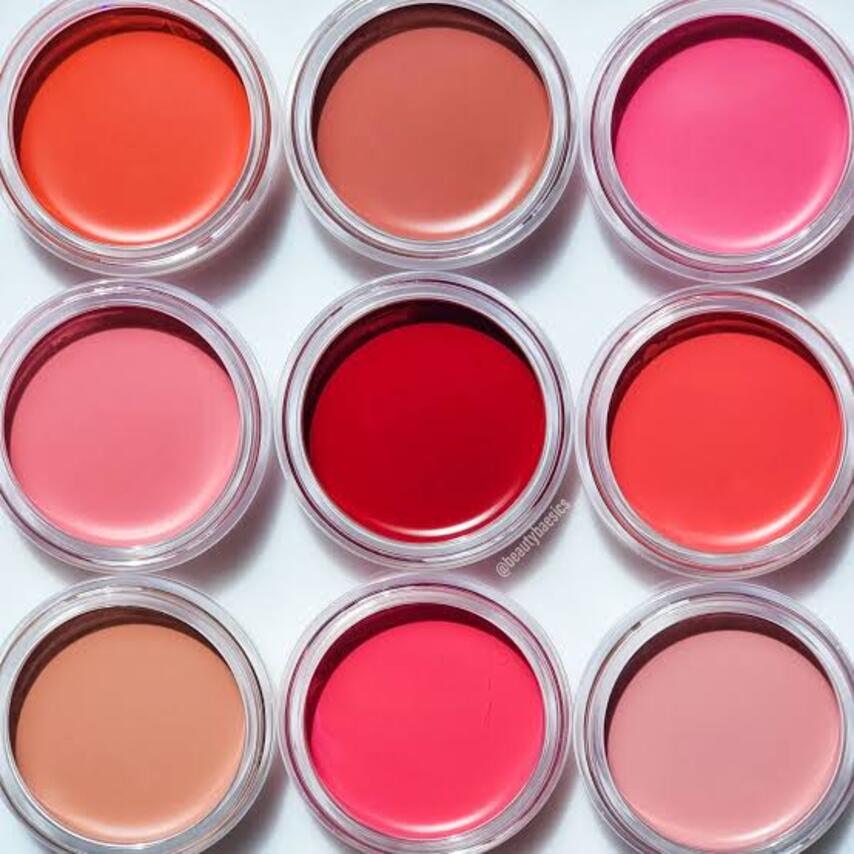
Photo: Instagram- @beautybaesics_
What it is:
Cream blush is a soft, blendable formula that can be applied with the fingers, a sponge or a brush. Depending on the formula, it can be sheer and dewy or more satin and pigmented.
What finish it gives:
Cream blush is known for a natural-looking finish, with formulas that can leave the skin looking fresh and dewy or softly satin . It tends to melt into the skin rather than creating the more defined finish associated with powder.
Who it is best for:
It is often a good choice for mature skin because it can sit comfortably without emphasizing texture.
How to apply it:
Apply a small amount to the cheeks using your fingers, a damp sponge or a dense brush, then blend into the skin. For a particularly natural effect, cream blush can also be applied before foundation so the colour appears more subtly through the base.
Liquid Blush
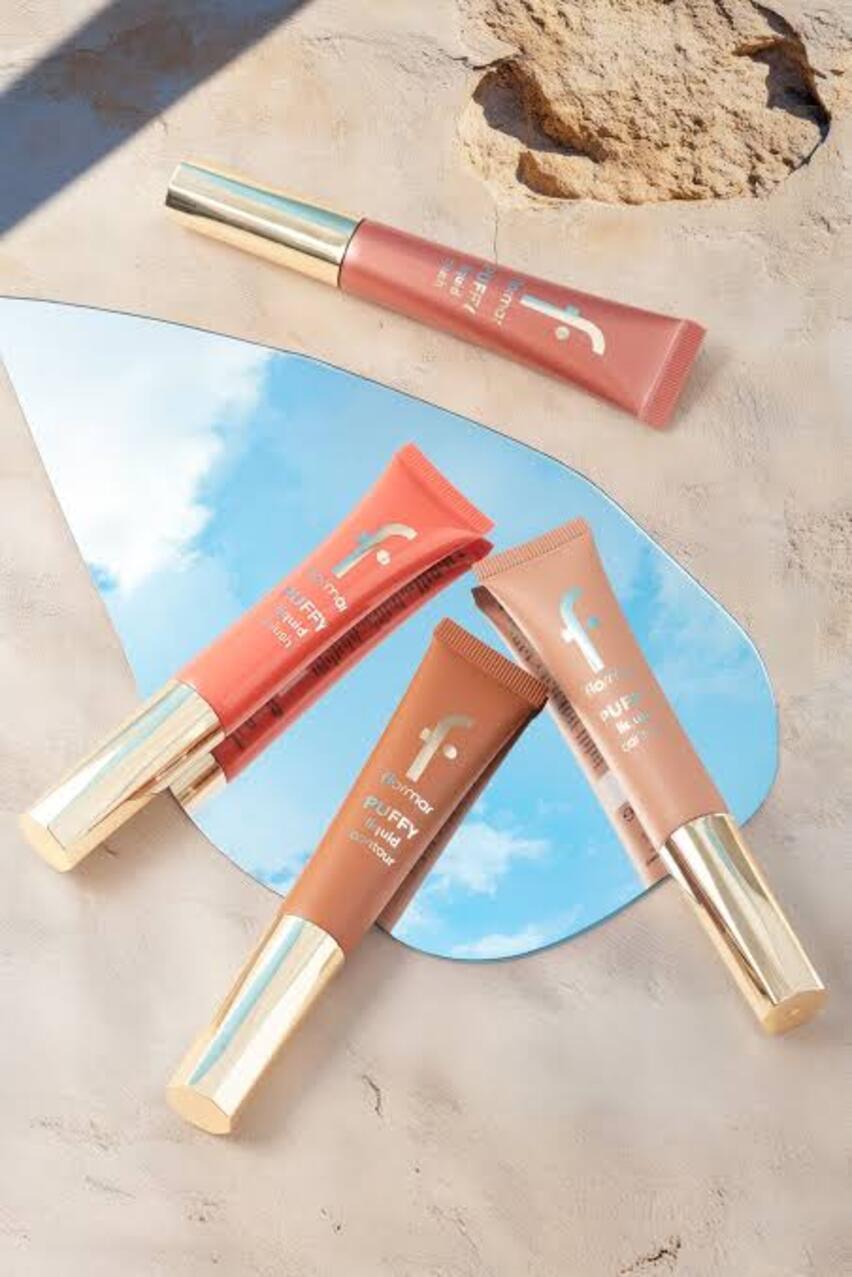
Photo: Facebook- @Flormar
What it is:
Liquid blush offers concentrated colour in a lightweight formula, meaning only a few dots may be needed to create the desired intensity.
What finish it gives:
It typically creates a radiant, fresh finish and can give the cheeks a luminous flush.
Who it is best for:
It suits those looking for buildable colour and a glowing finish, but it requires more control during application because the formula can set quickly.
How to apply it:
Apply a small amount to well-moisturized skin, then blend immediately with your fingers, a sponge or a brush. Work on one cheek at a time rather than applying the product to both cheeks before blending, as waiting too long can leave the colour looking patchy.
Cheek Tints And Stains
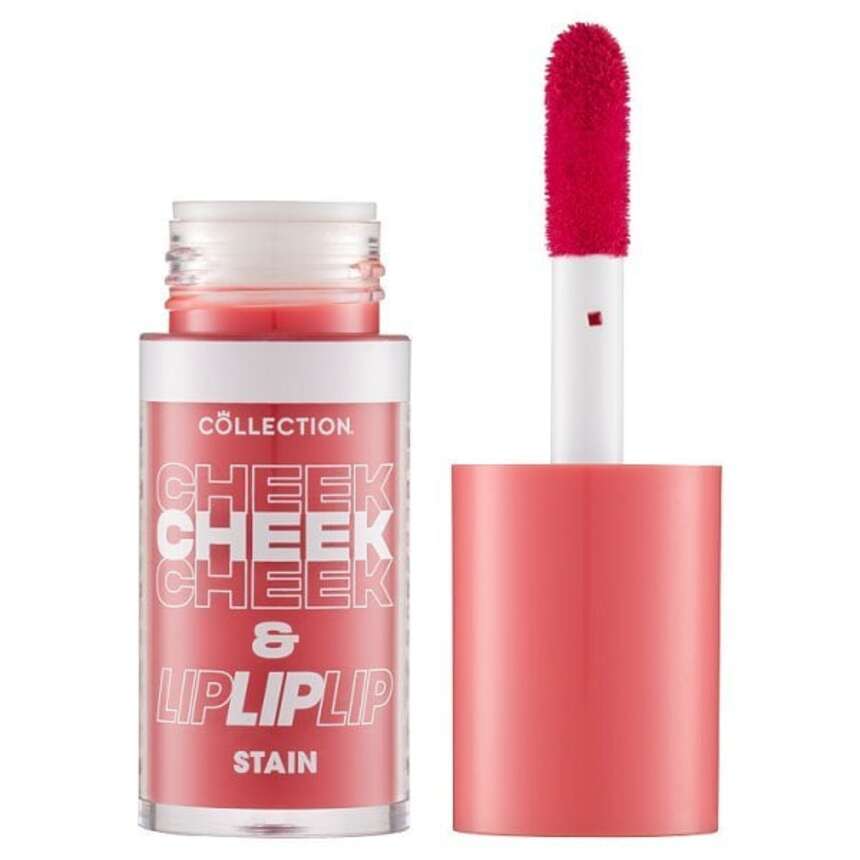
Photo: Superdrug
What it is:
Cheek tints and stains are designed to give the cheeks sheer, long-lasting colour.
What finish it gives:
They create a natural, just-pinched flush while allowing some of the skin’s natural texture and freckles to remain visible.
Who it is best for:
They are particularly suited to those who prioritise long wear and a lightweight finish, including for hot or humid conditions. Their staying power also makes them useful when you want colour that requires minimal touch-ups.
How to apply it:
Because they set quickly, apply and blend one cheek at a time to prevent uneven patches. Start with a small amount and build the colour gradually, since adding another layer is easier than correcting excess pigment.
The best choice ultimately depends on the finish, wear and level of control you want. Powder offers versatility, cream a skin-like finish, liquid a radiant effect and stains longer-lasting colour.
Read Next Post: 5 matcha desserts worth a taste in dubai this summer

Anti-ageing has moved well beyond creams and serums. Increasingly, the conversation is happening inside longevity clinics, where NAD+ IV drips, peptide therapies, red light treatments and other biohacking practices are being marketed as ways to support energy, recovery and healthier ageing.
Instead of simply trying to look younger, more people are now interested in staying strong, energetic and healthy as they age. Social media has only accelerated that interest, turning once-niche treatments into highly visible parts of the modern wellness landscape.
But with the growing number of treatments promising to optimise the body comes a more practical question: how much of biohacking is genuinely useful, and how much is simply good marketing?
Why NAD+ and Peptides are Having a Moment
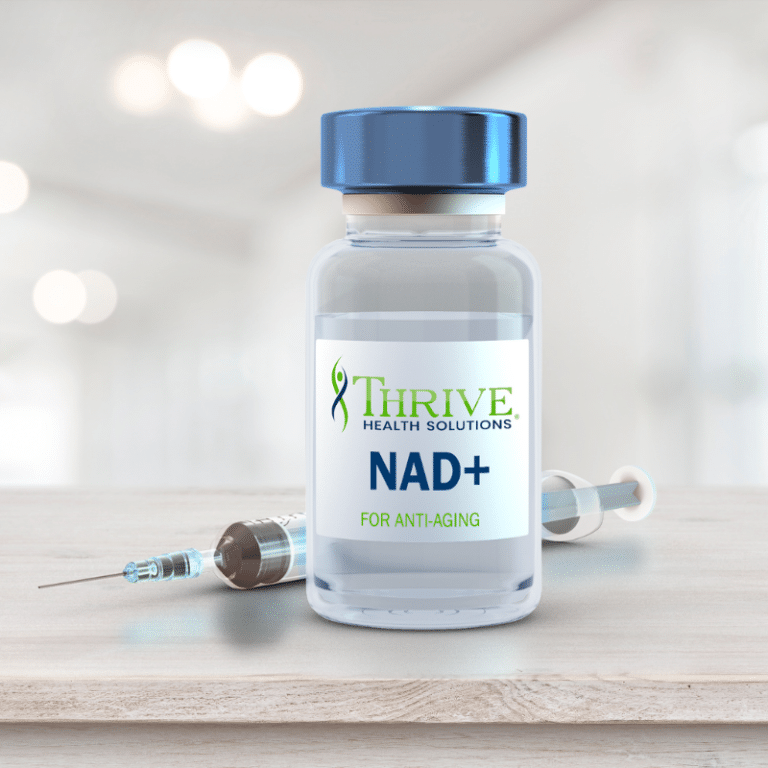
Photo: Thrivus
NAD+ and peptides are now widely discussed in wellness circles, particularly among people interested in beauty, fitness and healthy ageing.
NAD+ is naturally found in the body’s cells, where it helps with energy production and other cellular processes. Peptides can act as chemical messengers, helping regulate different functions in the body. Their potential has made both popular among people looking for more targeted approaches to wellness.
That science is part of the attraction, but it is also where the hype can begin. The presence of a biological mechanism does not necessarily mean a treatment will produce the dramatic anti-ageing results promised online.
The Reality Behind NAD+ IV drips

Photo: Veectzy
NAD+ has attracted considerable attention from the longevity industry because of its role in cellular energy and maintenance. IV treatments have subsequently been promoted as a way to deliver it directly into the body.
But the leap from interesting science to proven anti-ageing treatment is still a significant one. According to Dr Siddharth Govender of NADClinic, human evidence supporting intravenous NAD+ for anti-ageing and general wellness remains limited.
That does not make the treatment irrelevant. It simply means that anyone considering it should separate what is being investigated from what has already been established.
Peptides have become another major part of the biohacking conversation, particularly across wellness and fitness circles. Different peptides are associated with different biological functions, which has helped fuel interest in everything from recovery to body composition.
The bigger concern is where these products come from. Buying injectable peptides from unverified online sellers can mean having little certainty about what is actually in the product, how it was manufactured or whether it was stored correctly.
For something being introduced directly into the body, that is not a small consideration. Product quality and medical oversight matter.
The longevity Basics Still Matter
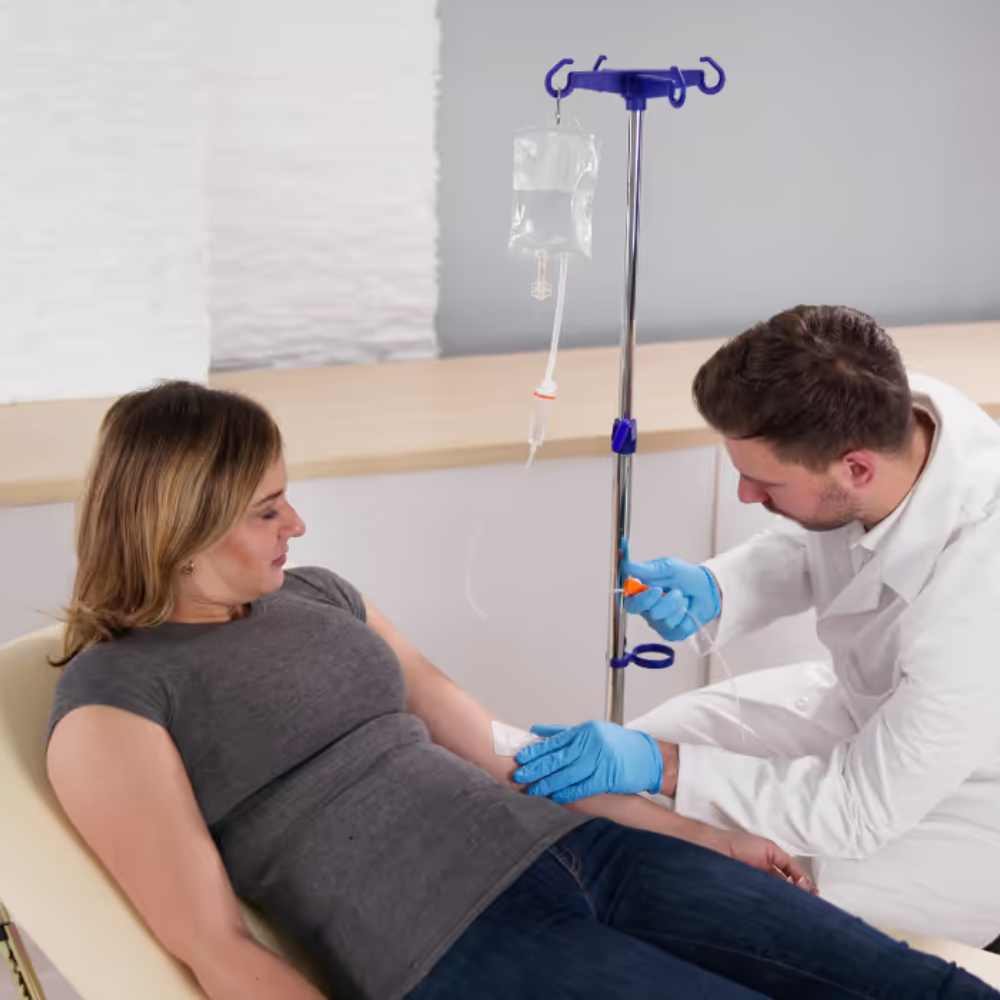
Photo: Modmeds
Perhaps the most interesting part of the current longevity movement is that its biggest goal is not necessarily to live forever. It is to live well for longer.
That means maintaining muscle, mobility, energy and independence as the years go by. And despite the growing menu of high-tech treatments, many of the habits associated with that goal remain remarkably simple: strength training, regular movement, adequate protein, good sleep and routine health checks.
That may sound less exciting than an IV drip or a new peptide protocol, but these are the habits with the strongest place in everyday wellbeing.
Biohacking is likely to remain a growing part of the wellness conversation. As research develops, some of these treatments may eventually become useful additions to longevity care. For now, though, they remain an emerging part of the wellness world, rather than a substitute for the basics. The future of ageing well may be high-tech, but it still starts with how you live every day.
Read Next Post: Christiano Ronaldo Marries Georgina Rodriguez in Intimate Ceremony in Portugal


Dubai Fashion Week to Return This October for SS27

The Beauty Benefits of Dry Brushing

Brands Founded by Emirati Women You Need on Your Radar


-

 Top Xclusiv4 months ago
Kendall Jenner and Jacob Elordi Join Kylie Jenner and Timothée Chalamet for a Double Date
-

 Top Xclusiv4 months ago
Kylie Jenner Sued by Second Housekeeper Over Alleged Abuse Claims.
-

 Top Xclusiv5 months ago
Lady Gaga and Doechii Collaborate on “Runway” for “The Devil Wears Prada 2”
-

 Celebrity news2 months ago
Lamar Odom Explains His Comments About Marrying Khloé Kardashian for Fame
-

 Top Xclusiv4 months ago
Are Kendall Jenner and Jacob Elordi Dating? What We Know So Far After Coachella
-

 Celebrity Style5 months ago
Ashley Simone Five-Outfit Run for ‘The Devil Wears Prada 2’ World Premiere
-

 Accessories5 months ago
Watches and Wonders 2026: The Biggest Moments So Far
-

 Top Xclusiv5 months ago
Selena Gomez and Demi Lovato Reunited on Opening Night of Her ‘It’s Not That Deep’ Tour