
Lifestyle
UAE to Mark Emirati Women’s Day With Month-Long Celebrations

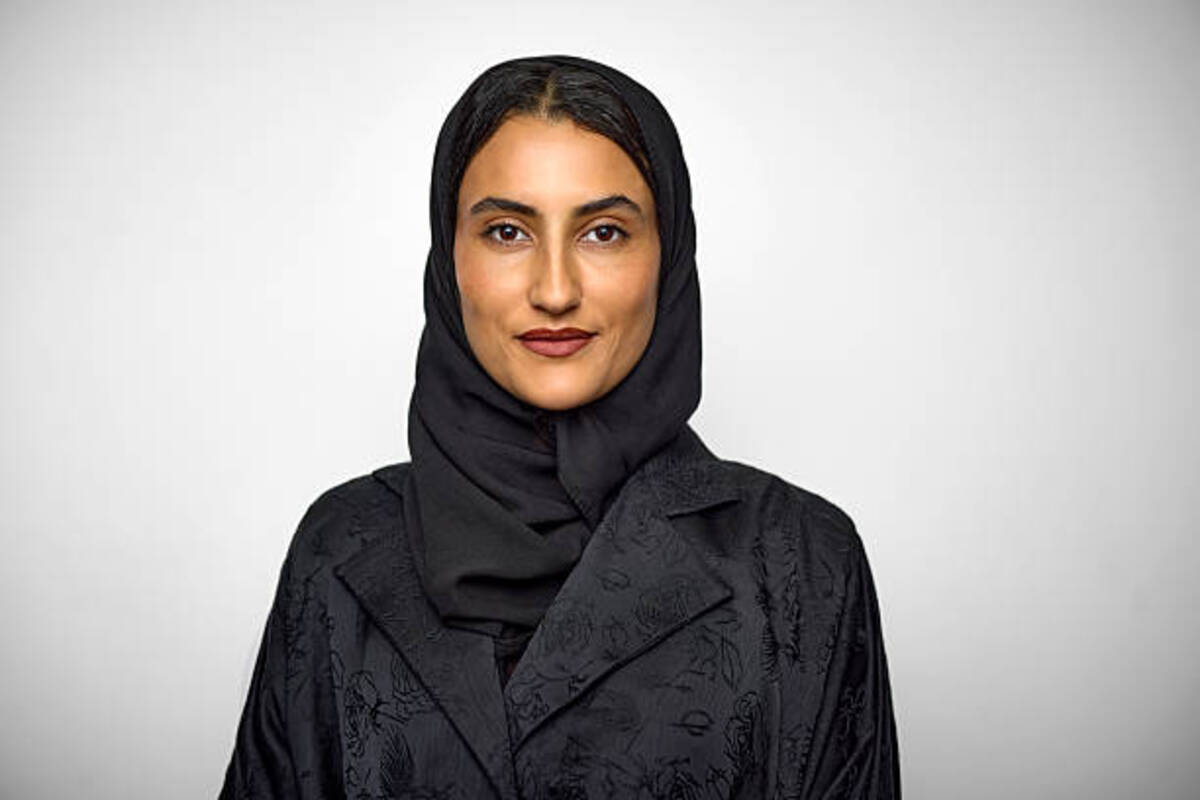
The UAE will mark Emirati Women’s Day on August 28. Emirati Women’s Day is an occasion that celebrates the achievements of Emirati women and highlights their role in the development of the country. For the first time since Emirati Women’s Day started in 2015, the celebration will run for a full month, from August 28 to September 28 2026.

Photo: Emirate women
The expansion was announced by Her Highness Sheikha Fatima bint Mubarak, known as the “Mother of the Nation.” Sheikha Fatima chairs the General Women’s Union, presides over the Supreme Council for Motherhood and Childhood, and leads the Family Development Foundation.
She announced that this year’s Emirati Women’s Day would be observed for longer than a day. Celebrations will continue through the month.
This year’s theme is “Together We Rise Stronger and Better.” The theme takes a different approach, looking beyond individual success stories by Emirati women. Instead it places women’s achievements within families, workplaces, institutions and communities.
Her Highness Sheikha Fatima said Emirati women have reached their position with support, from families, institutions and Emirati men. She also added that Emirati women’s progress also strengthens the UAE as a whole.
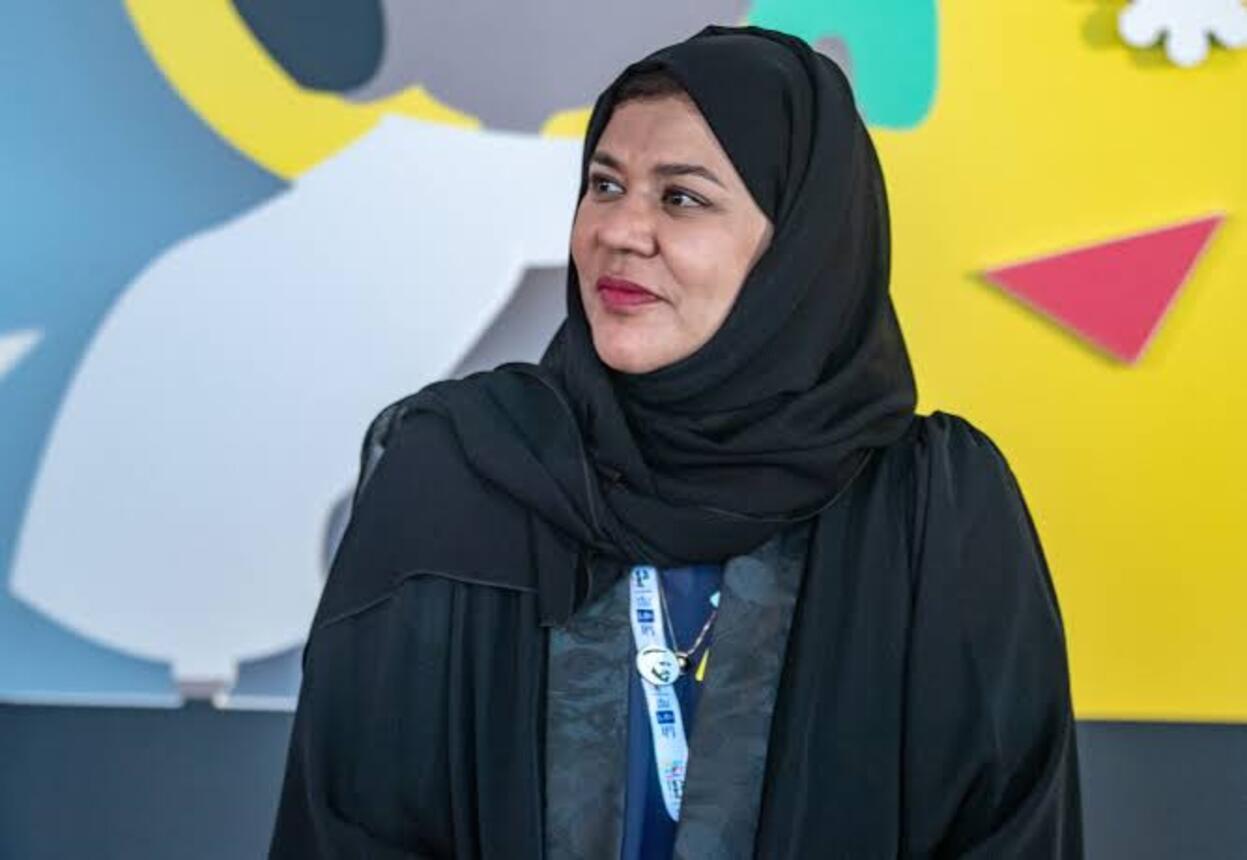
Photo: Getty images
In line with that, this year’s program will also honour men who have supported women’s advancement, reinforcing an emphasis on partnership over competition.
The month-long celebration is part of the Mother of the Nation’s 50:50 Vision, a long-term initiative that looks ahead to 2075 and the role of women in the UAE over the next 50 years.
The observance falls on August 28 each year, a date that also marks the founding of the UAE’s General Women’s Union in 1975. Since then, the occasion has become an annual opportunity to celebrate Emirati women and recognize their contributions across the country. Emirati women currently hold roughly 63 percent of leadership positions across the government sector and 50 percent of seats in the Federal National Council.
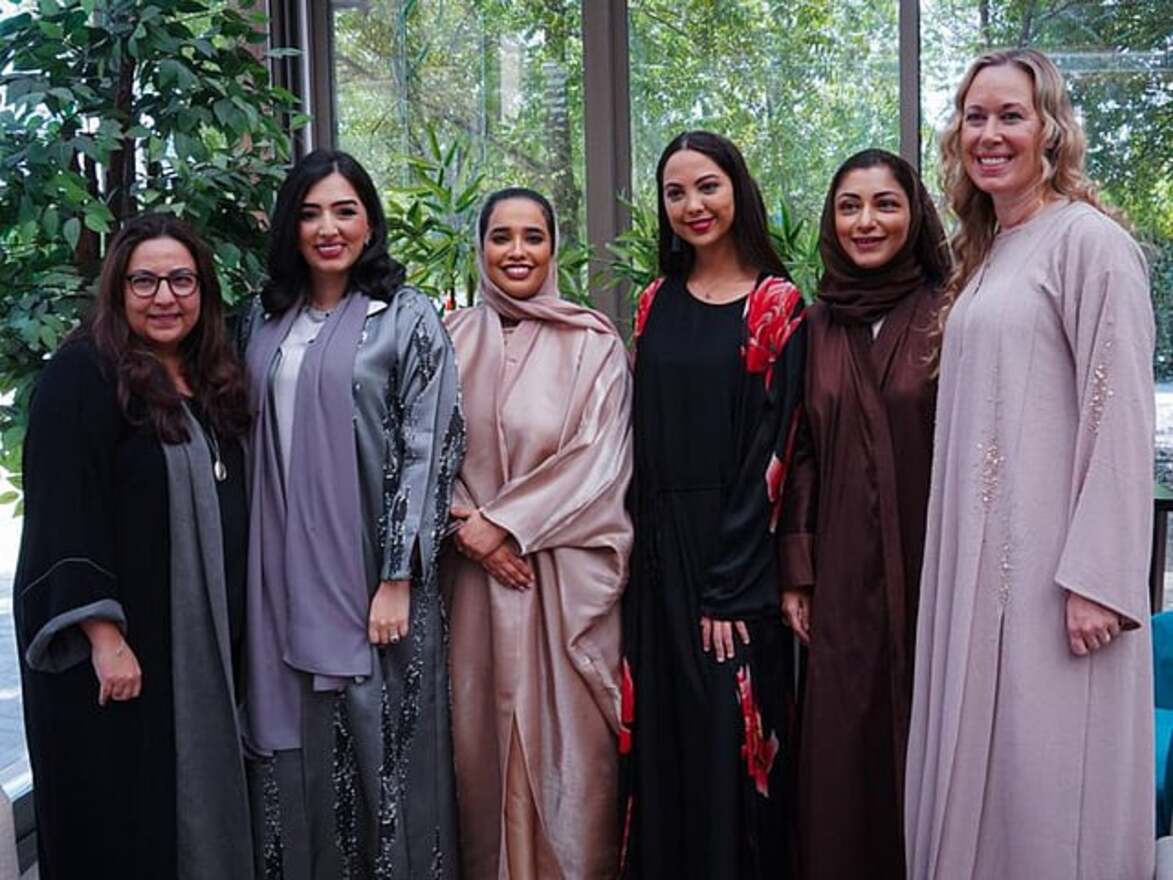
Photo: reflection_stars_pr
With the celebration now stretching across a full month, government entities, businesses, and hospitality venues across the UAE are expected to mark the occasion with initiatives, recognition programs, and public events, according to organizers, with further details to be announced by participating organizations in the lead-up to the month- long program.
Read Next Post: Apple Set to Release iPhone 18: Here’s Everything We Know

A 19-year-old law student raised in AbuDhabi is preparing to represent India at the Miss Universe pageant in Puerto Rico after being crowned Miss Universe India 2026 in Jaipur. Mejo spoke to Gulf News from Jaipur about how her UAE upbringing prepared her for the international stage.

Photo: Instagram-@ missuniverseindiaorg
Mejo credits her upbringing in AbuDhabi with preparing her for the role long before she knew she would represent India on a global stage. Being raised among people from different backgrounds, cultures and languages helped shape her worldview, while allowing her to stay connected to her Indian roots.
Growing up around people from different backgrounds in AbuDhabi gave her a firsthand understanding of different cultures and perspectives. She said that experience shaped the way she sees the world.
That multicultural exposure, she believes, extended beyond social experience into education itself. Her time abroad also sharpened her perspective on India itself. Watching how her country was perceived by people from across the globe reinforced her sense of India as a global powerhouse, giving her the confidence to step into the role of international representative.
Roots in Dance and Family Support

Photo: Instagram- @missuniverseindiaorg
Before entering pageantry, Mejo spent years as an Indian classical dancer, taking the stage from around the age of five.
Her mother had participated in small pageants growing up in Kerala, though Mejo says she entered the pageant world without any parental pressure to do so. When she told her parents about her plans, they responded with encouragement, focusing on how to help her take the first step rather than questioning the decision.
The Night of the Crowning

Photo: Instagram- @tcx.official
Mejo competed against 51 other contestants for the national title at the August 23, 2026, pageant. She said she felt unusually calm just before going on stage, but that changed completely when her name was announced as the winner.
Life After the Crown
Mejo has been candid about aspects of pageant life that rarely make headlines. Rather than restrictive dieting, she says she ate pizzas and burgers throughout the competition, and celebrated her win with the same indulgence in the early hours of the morning. She has been equally direct about her views on body image within the industry, arguing that a body sustained through starvation was never truly one’s own to begin with.
Her first night as titleholder was spent guarding the crown itself, having slept beside its box and woken with marks from its edges the following morning.
Beyond the pageant, opportunities are already surfacing. Mejo says she has received offers spanning brand ambassadorships and film roles, with acting long standing among her personal ambitions. For now, she says her focus remains singular: representing India on the Miss Universe stage and bringing the international crown home.
Read Next Post: Erling Haaland Arrives in Norway with a New Bag and a Taxidermied Raccoon

The home is no longer built on instinct alone. Artificial intelligence is giving homeowners a way to test decisions before they become permanent, to see a room before changing it.
For decades, interior design meant buying a sofa and hoping it fit, picking paint from a small swatch, and rearranging furniture until something clicked. AI tools are shifting that process. They translate ideas into images first, so you can compare options before spending or renovating.
See The Room Before You Change It

Photo: Pcmag
The most practical use of AI in design right now is visualization. By inputting a room’s dimensions, lighting, and preferences, homeowners can generate images of different layouts, colours, and furniture combinations.
Want to see how a cream sofa looks against a deep-coloured wall? Whether a larger rug grounds the space? AI can produce side-by-side versions in minutes. The process moves from imagining to comparing. You are no longer guessing how a choice might feel.
Experiment With Colour And Furniture

Photo: Squires interior design
Colour is the fastest way to change a room, and also the easiest to get wrong from a paint chip. AI lets you apply different shades to a model of your actual space, so you can see how light and surrounding materials affect them.
The same applies to furniture. You can test scale, style, and placement, a sectional versus two chairs, a low table versus a taller one and observe how each option interacts with the rest of the room. It doesn’t replace seeing fabrics and finishes in person. It does narrow the field before you start buying.
Find A Style That Feels Like You
Many people can describe what feels wrong before they can define what feels right: warm without feeling traditional, minimal without looking cold, or colourful without making the room feel busy.
AI tools can take those loose preferences and render them into distinct visual directions. That is useful when you have saved dozens of reference images but can’t articulate the thread between them. The software surfaces patterns, and in doing so helps you define your taste rather than requiring you to define it first.
Make The Furniture Work Together
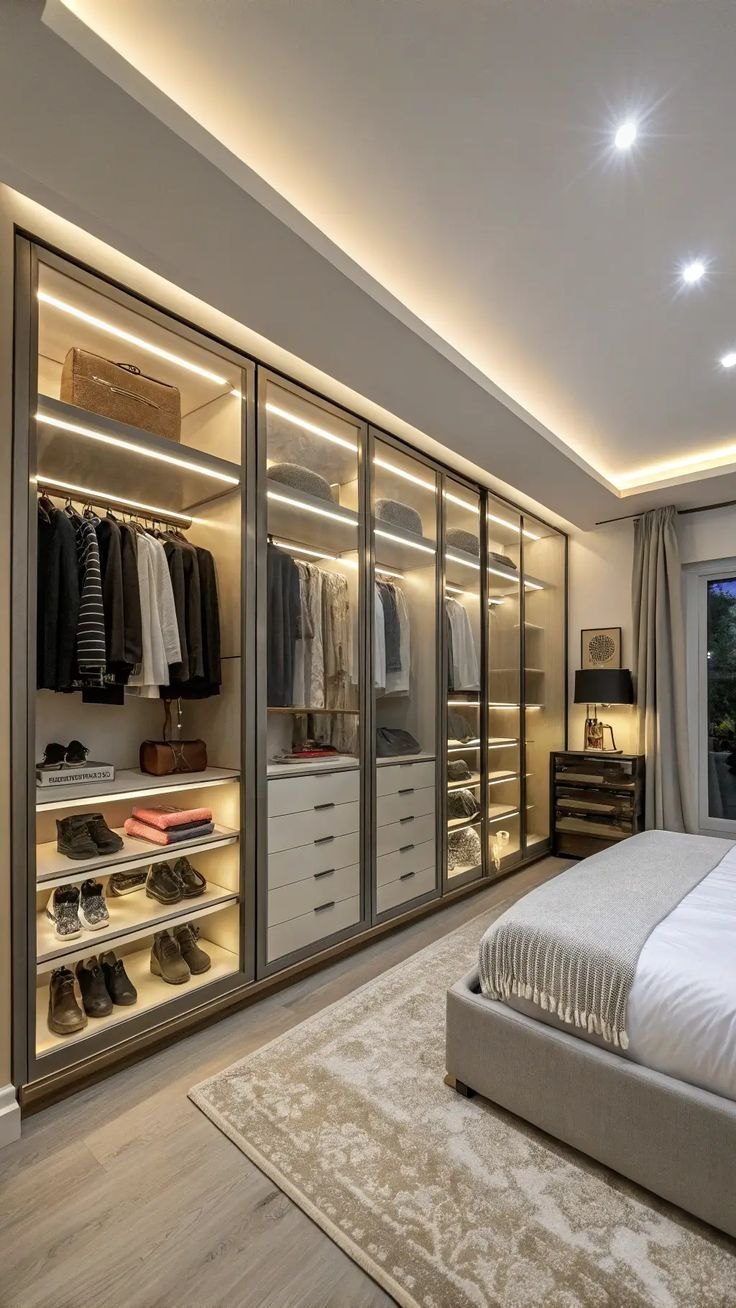
Photo: Smart home constructions
A room rarely works because of one piece. The sofa has to relate to the coffee table, the rug, the lighting, the art, the accessories.
AI visualization treats the room as a system, not a shopping list. By seeing combinations together, it becomes easier to spot when something is too heavy, too busy, or simply disconnected. You can adjust proportions and palettes in the model until the elements feel cohesive.
Design Before You Buy
The core appeal is risk reduction. AI lets you experiment without commitment. You can try different directions, discard what doesn’t work, and build toward a room with more confidence.
AI does not make the creative decisions for you. It gives you a way to see them. The taste, the budget, the final yes or no, those are still yours.
As the technology improves, decorating becomes more about informed experimentation. You don’t have to be a designer to design. You just need a way to see the possibilities first. And now, you do.
Read Next Post: Cristiano Ronaldo Debuts a Blonde Hair Colour
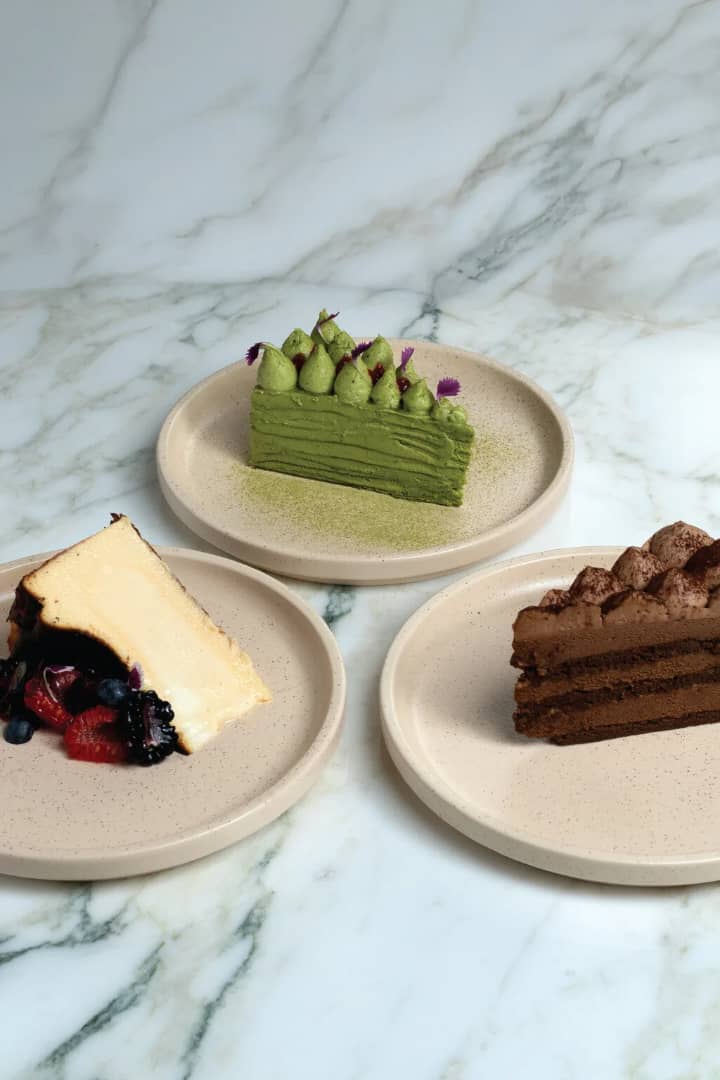
Dubai’s growing appetite for matcha is showing up on dessert menus across the city, where the ingredient is being used in everything from cheesecakes and brownies to mille-crêpe cakes and ice cream. Dedicated matcha cafés are also giving the tea a bigger role in their menus, creating a wider selection of desserts for the summer season.
Matcha Cheesecake Brownies at NETTE
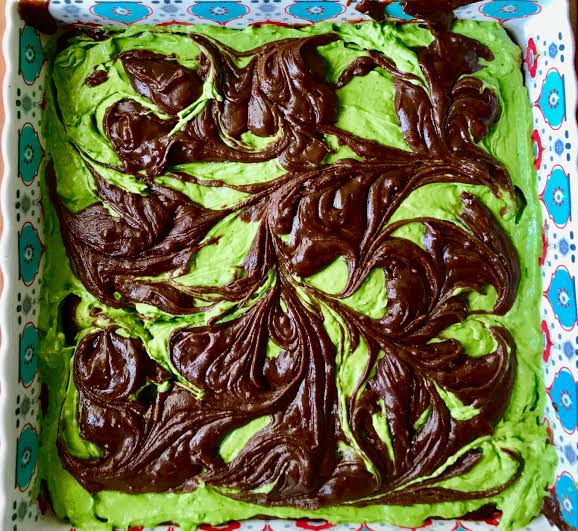
Photo: Instagram- @G- Dubai
NETTE brings matcha and chocolate together in its matcha cheesecake brownie. The dessert combines a dark chocolate brownies with matcha cheesecake mousse, fresh berries and ceremonial-grade matcha.
Coconut Matcha Cheesecake at The Surf Café
The Surf Café serves a coconut matcha cheesecake. Made with ingredients including cashews, coconut, soya yoghurt, coconut milk, maple syrup and matcha, the dessert is vegan and gluten-free and served semi-frozen. Matcha and coconut give the cheesecake an earthy, creamy base, balanced by the sweetness of dates and maple syrup and the freshness of strawberries.
Japanese Matcha Cake at Matcha16
At Matcha16, matcha appears in a layered Japanese-style cake made with delicate crêpes and pistachio mousse infused with premium matcha. The cake is finished with an in-house raspberry coulis, adding a tart fruit note to the pistachio and matcha .
Matcha Soft Cream at THE MATCHA TOKYO
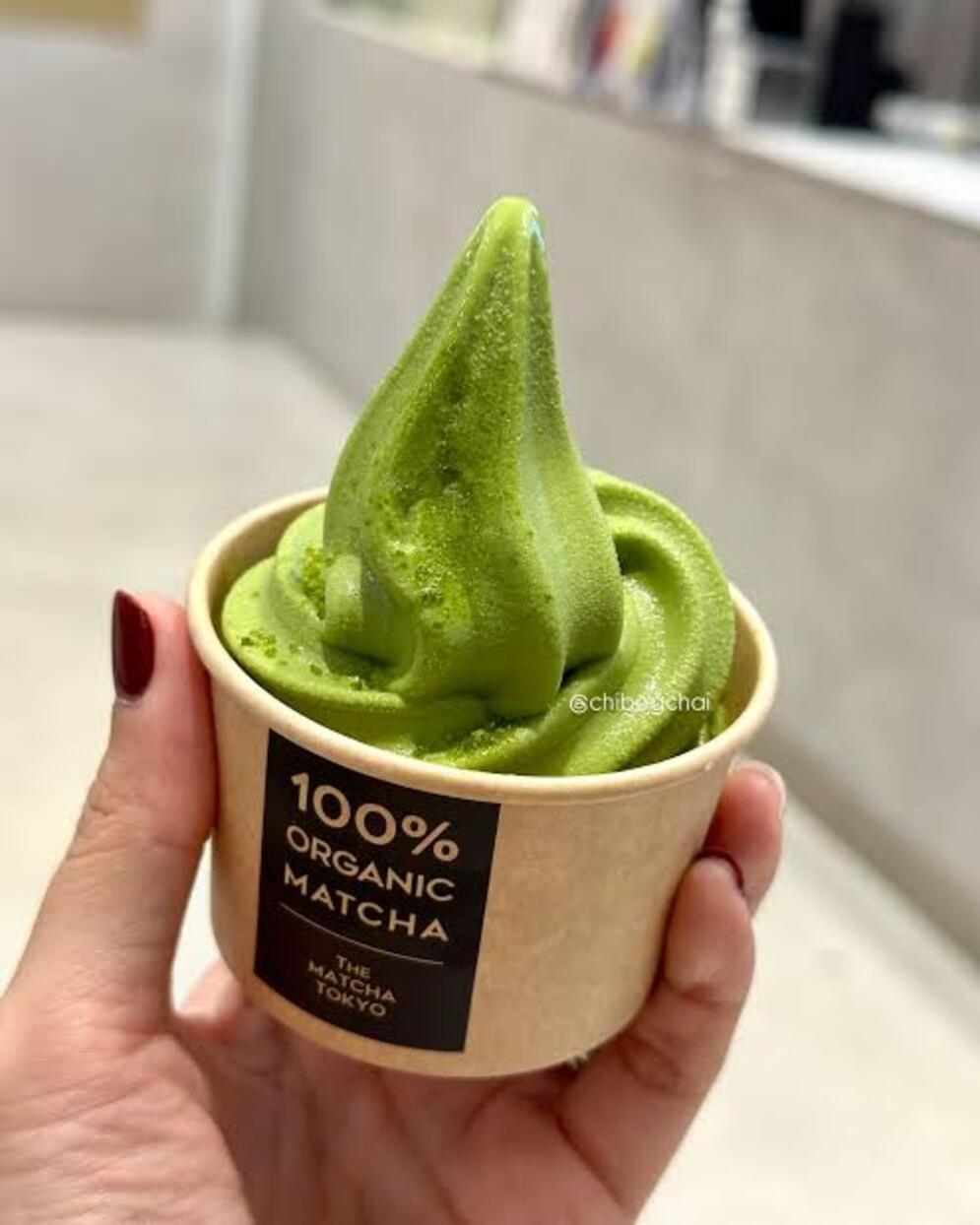
Photo: Ujicha Matcha
For another way to enjoy matcha as a dessert, THE MATCHA TOKYO serves matcha soft cream at its Dubai locations. The soft cream combines a creamy texture with the earthy flavour of matcha, keeping the tea’s distinctive taste prominent in the dessert.
Matcha Tiramisu
At Tiramisu Café in Downtown Dubai, matcha also features in the café’s dessert-inspired menu, giving the familiar Italian dessert a Japanese-inspired twist. The café’s matcha offering combines the earthy flavour of green tea with the creamy character associated with tiramisu, creating a dessert built around the contrast between matcha and its rich, sweet base.


UAE to Mark Emirati Women’s Day With Month-Long Celebrations

Apple Set to Release iPhone 18: Here’s Everything We Know

UAE-Raised Kaziah Liz Mejo Crowned Miss Universe India 2026


-

 Top Xclusiv3 months ago
Kendall Jenner and Jacob Elordi Join Kylie Jenner and Timothée Chalamet for a Double Date
-

 Top Xclusiv4 months ago
Kylie Jenner Sued by Second Housekeeper Over Alleged Abuse Claims.
-

 Top Xclusiv5 months ago
Lady Gaga and Doechii Collaborate on “Runway” for “The Devil Wears Prada 2”
-

 Celebrity news2 months ago
Lamar Odom Explains His Comments About Marrying Khloé Kardashian for Fame
-

 Food5 months ago
5 Foods to Add to Your Diet for a Leaner Summer Physique
-

 Top Xclusiv4 months ago
Are Kendall Jenner and Jacob Elordi Dating? What We Know So Far After Coachella
-

 Celebrity Style4 months ago
Ashley Simone Five-Outfit Run for ‘The Devil Wears Prada 2’ World Premiere
-

 Top Xclusiv4 months ago
Selena Gomez and Demi Lovato Reunited on Opening Night of Her ‘It’s Not That Deep’ Tour