
Lifestyle
Your Home Is Getting Smarter—and AI Is Helping You Design It

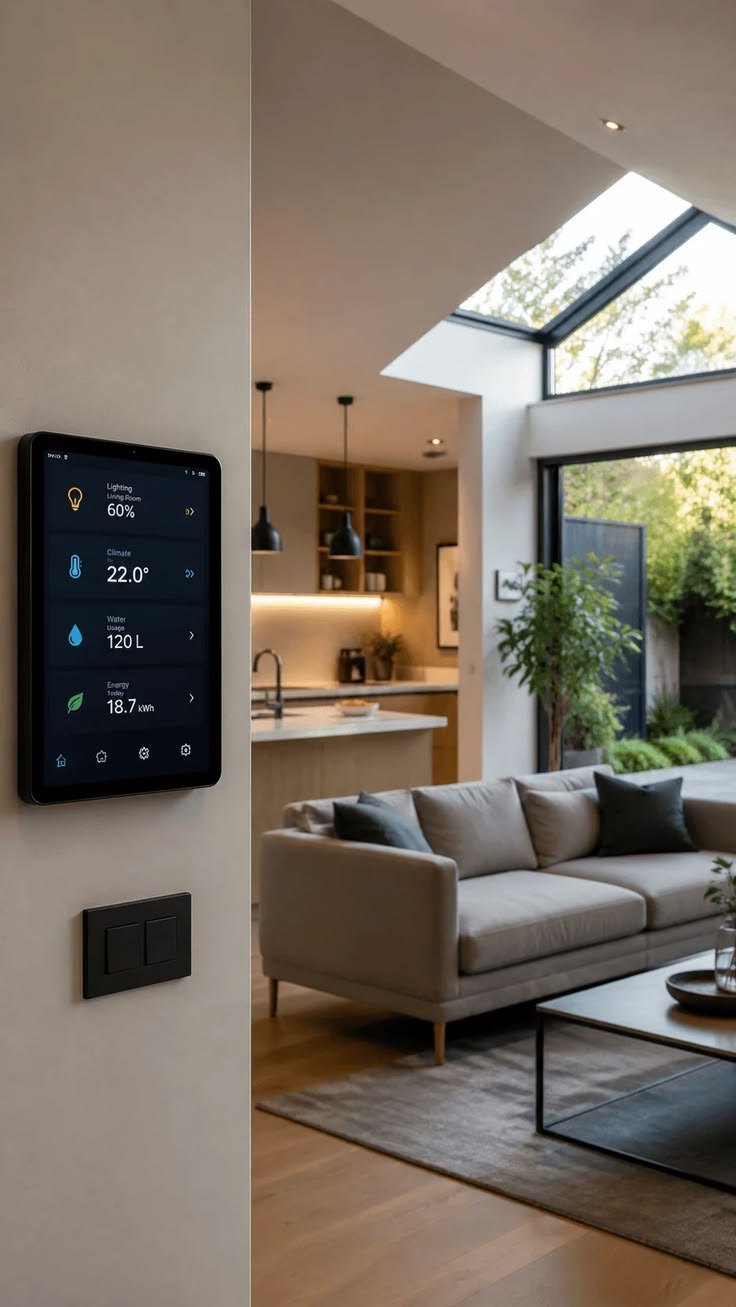
The home is no longer built on instinct alone. Artificial intelligence is giving homeowners a way to test decisions before they become permanent, to see a room before changing it.
For decades, interior design meant buying a sofa and hoping it fit, picking paint from a small swatch, and rearranging furniture until something clicked. AI tools are shifting that process. They translate ideas into images first, so you can compare options before spending or renovating.
See The Room Before You Change It
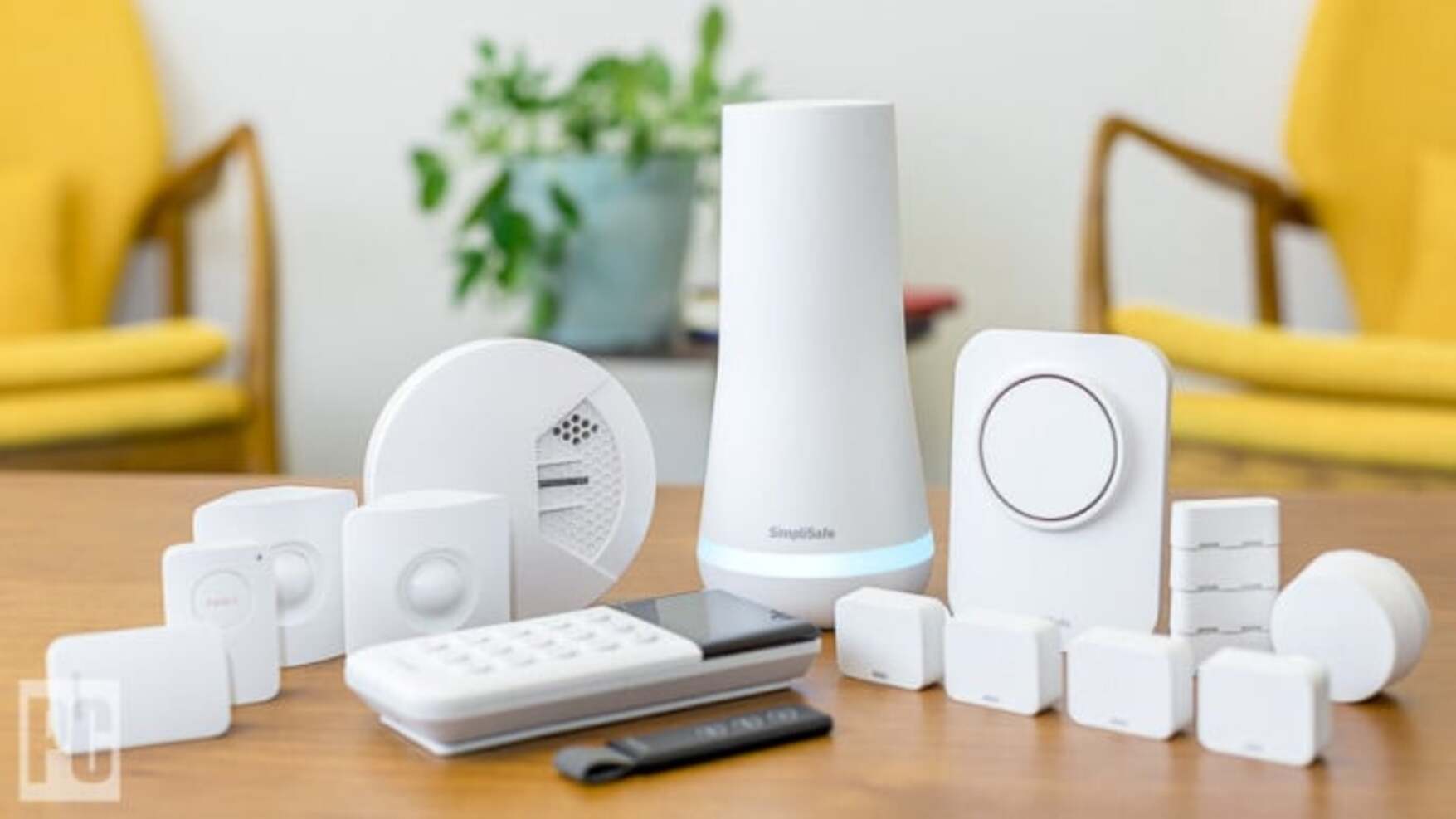
Photo: Pcmag
The most practical use of AI in design right now is visualization. By inputting a room’s dimensions, lighting, and preferences, homeowners can generate images of different layouts, colours, and furniture combinations.
Want to see how a cream sofa looks against a deep-coloured wall? Whether a larger rug grounds the space? AI can produce side-by-side versions in minutes. The process moves from imagining to comparing. You are no longer guessing how a choice might feel.
Experiment With Colour And Furniture
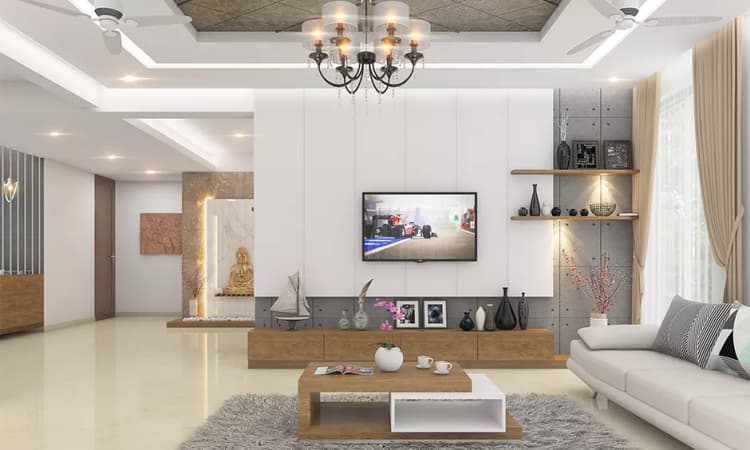
Photo: Squires interior design
Colour is the fastest way to change a room, and also the easiest to get wrong from a paint chip. AI lets you apply different shades to a model of your actual space, so you can see how light and surrounding materials affect them.
The same applies to furniture. You can test scale, style, and placement, a sectional versus two chairs, a low table versus a taller one and observe how each option interacts with the rest of the room. It doesn’t replace seeing fabrics and finishes in person. It does narrow the field before you start buying.
Find A Style That Feels Like You
Many people can describe what feels wrong before they can define what feels right: warm without feeling traditional, minimal without looking cold, or colourful without making the room feel busy.
AI tools can take those loose preferences and render them into distinct visual directions. That is useful when you have saved dozens of reference images but can’t articulate the thread between them. The software surfaces patterns, and in doing so helps you define your taste rather than requiring you to define it first.
Make The Furniture Work Together
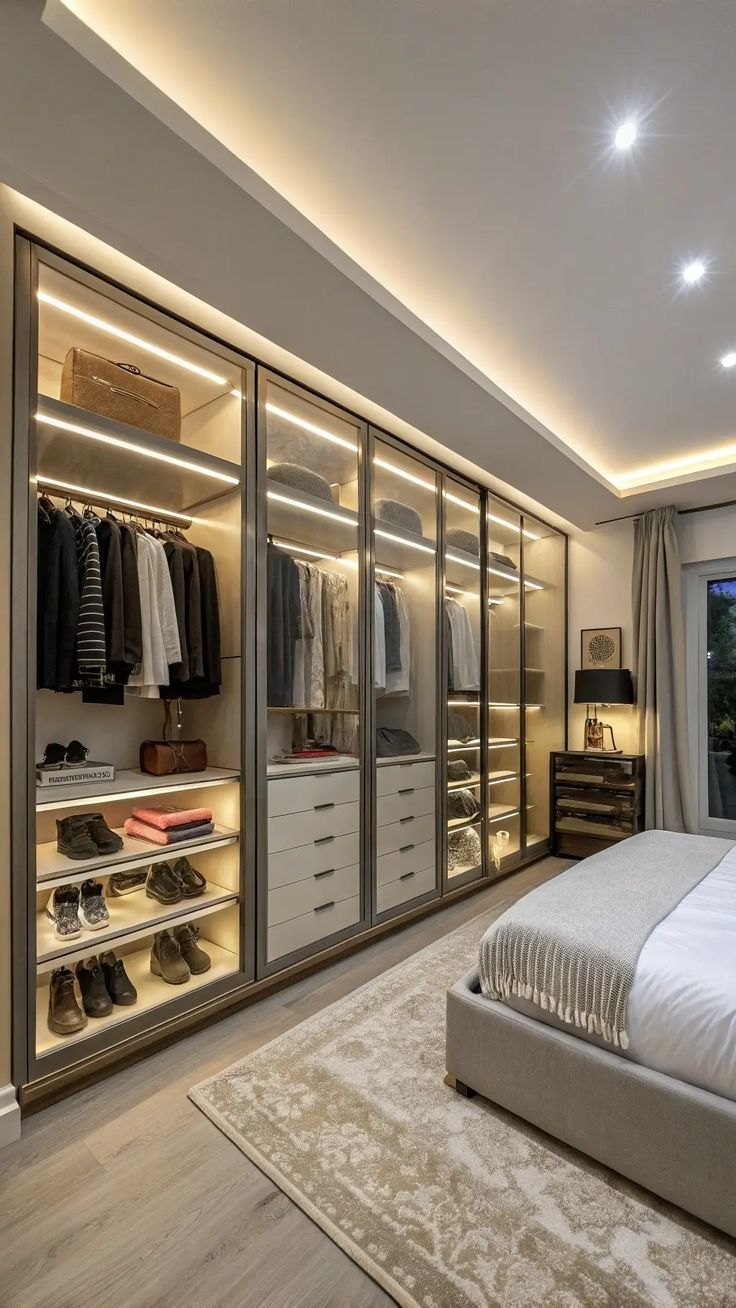
Photo: Smart home constructions
A room rarely works because of one piece. The sofa has to relate to the coffee table, the rug, the lighting, the art, the accessories.
AI visualization treats the room as a system, not a shopping list. By seeing combinations together, it becomes easier to spot when something is too heavy, too busy, or simply disconnected. You can adjust proportions and palettes in the model until the elements feel cohesive.
Design Before You Buy
The core appeal is risk reduction. AI lets you experiment without commitment. You can try different directions, discard what doesn’t work, and build toward a room with more confidence.
AI does not make the creative decisions for you. It gives you a way to see them. The taste, the budget, the final yes or no, those are still yours.
As the technology improves, decorating becomes more about informed experimentation. You don’t have to be a designer to design. You just need a way to see the possibilities first. And now, you do.
Read Next Post: Cristiano Ronaldo Debuts a Blonde Hair Colour

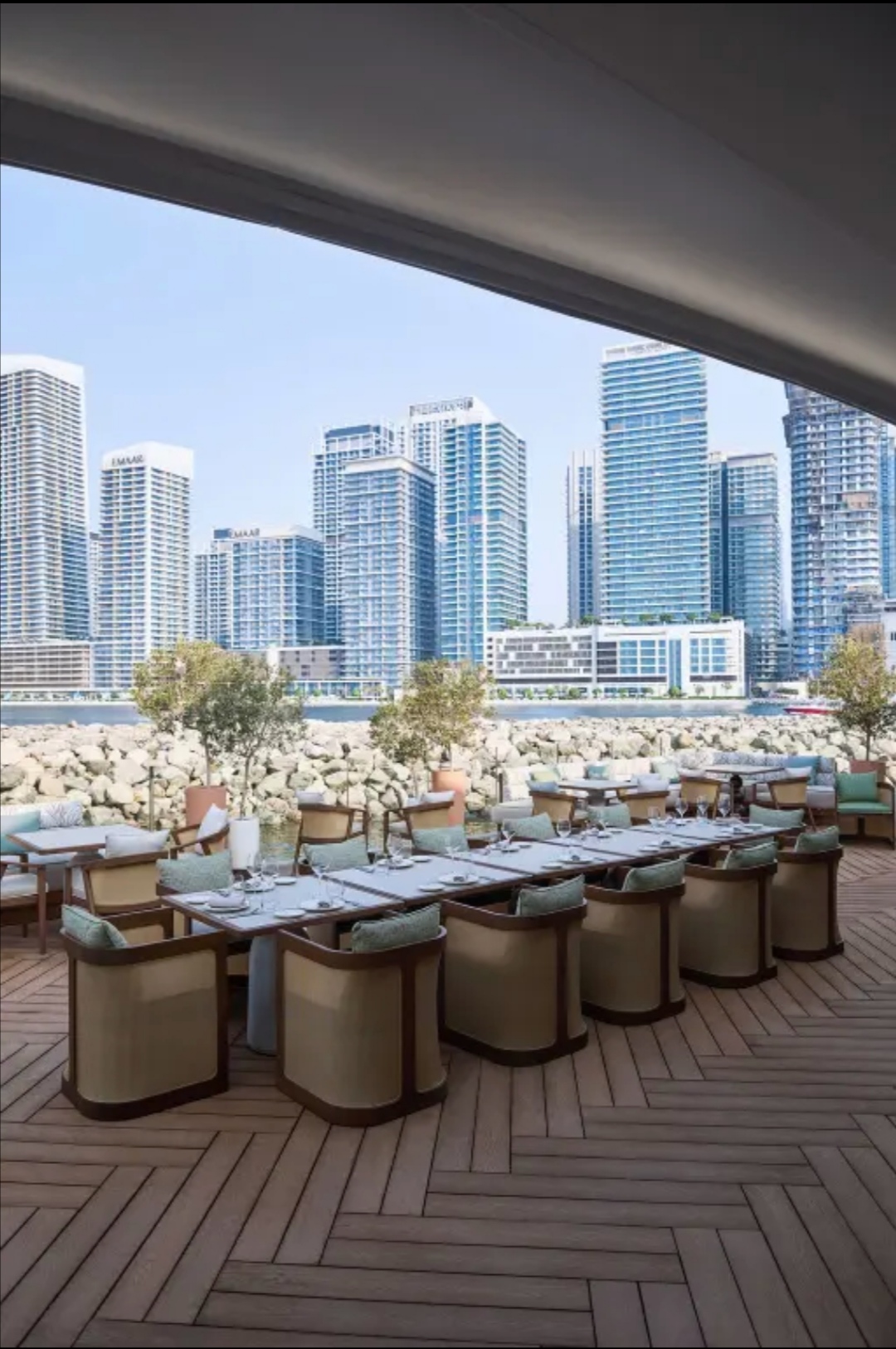
New Dubai’s dining scene has a way of making you rethink your plans. Just when you’ve settled into a routine, a handful of kitchens open with something worth crossing town for. Some are built around a single ingredient or a single counter. Others keep going long after most places call it a night. What they share is a clear point of view on the food itself.
Oltremare
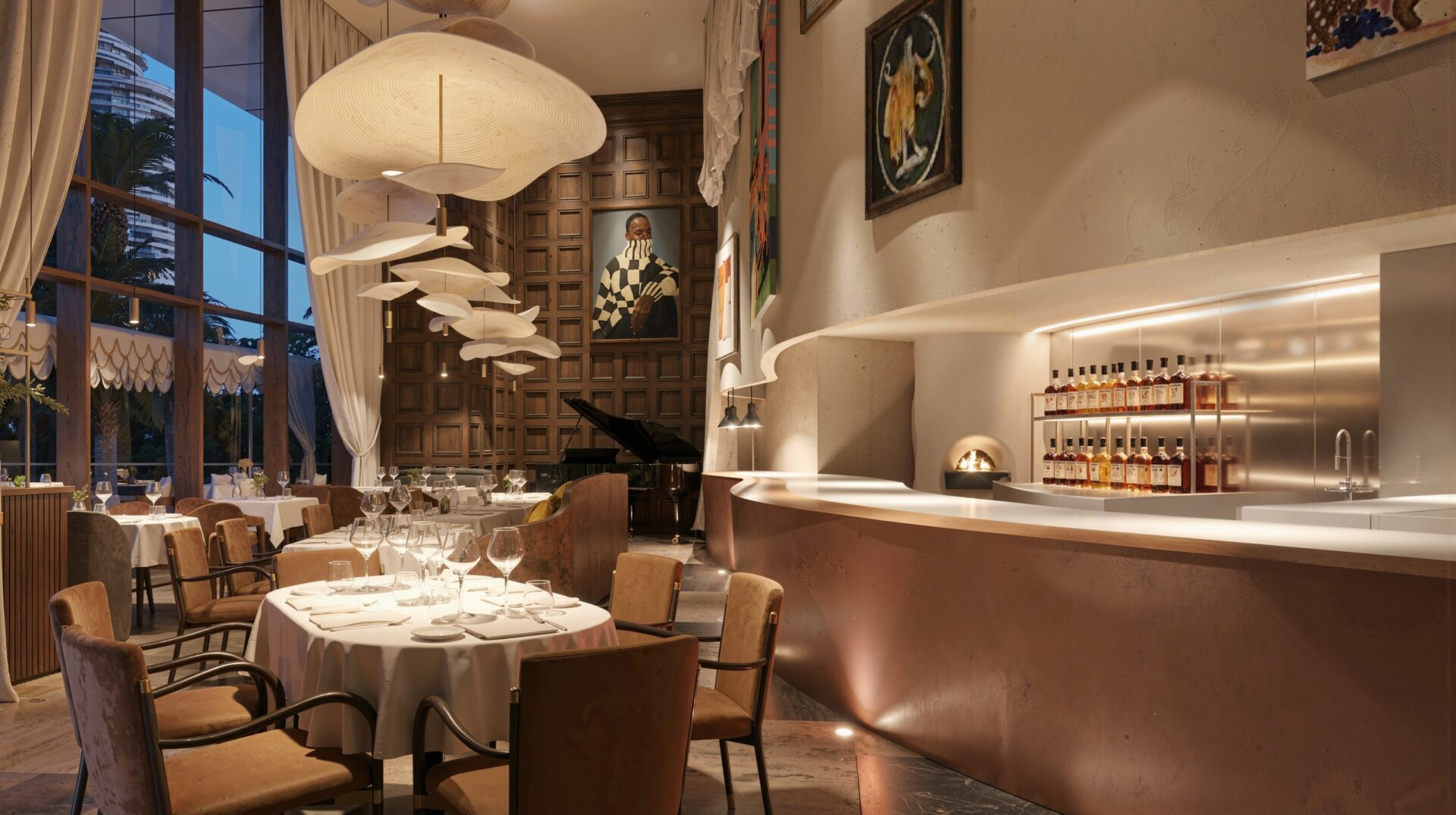
Photo: Instagram/@Emanuelepollini
Downtown Dubai has a new Italian kitchen, oltremare and Emanuele Pollini is the man behind it. London’s Fortune Family brought him in to cook regional Italian food, and his rule is simple: “The most important thing is to enjoy food with respect.” The restaurant opened in March 2026 and sits moments from Dubai Mall’s Fashion Avenue, with a 300-square-metre terrace facing the Burj Khalifa. Once the kitchen winds down, the space turns into a late-night lounge called BLITZ.
Shinobi
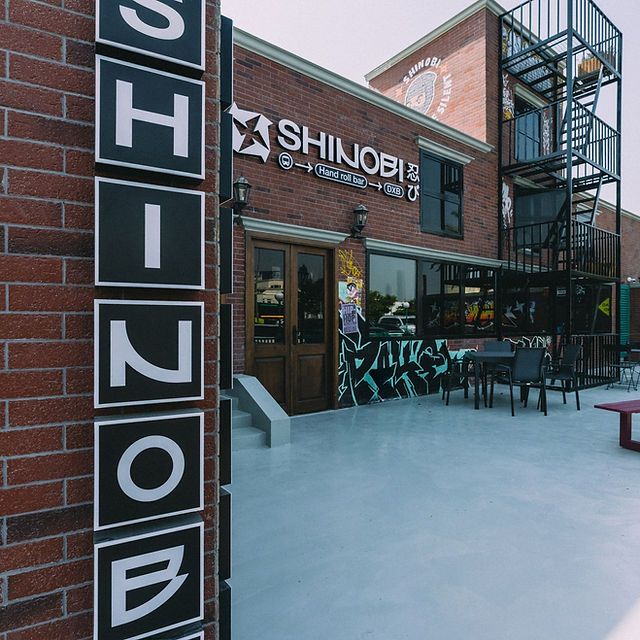
Photo: Instagram/@shinobidubai
Over on Al Wasl Road in Jumeirah 2, Monarch Hospitality Group has opened a handroll bar, Shinobi in a villa. The Michelin Guide points to the spicy tuna and salmon with crispy shallots as the rolls to order. The generously filled mini wagyu tacos are worth adding to the table. Each handroll is made to order and served one at a time, so the nori stays crisp and the rice stays warm.
LOOP
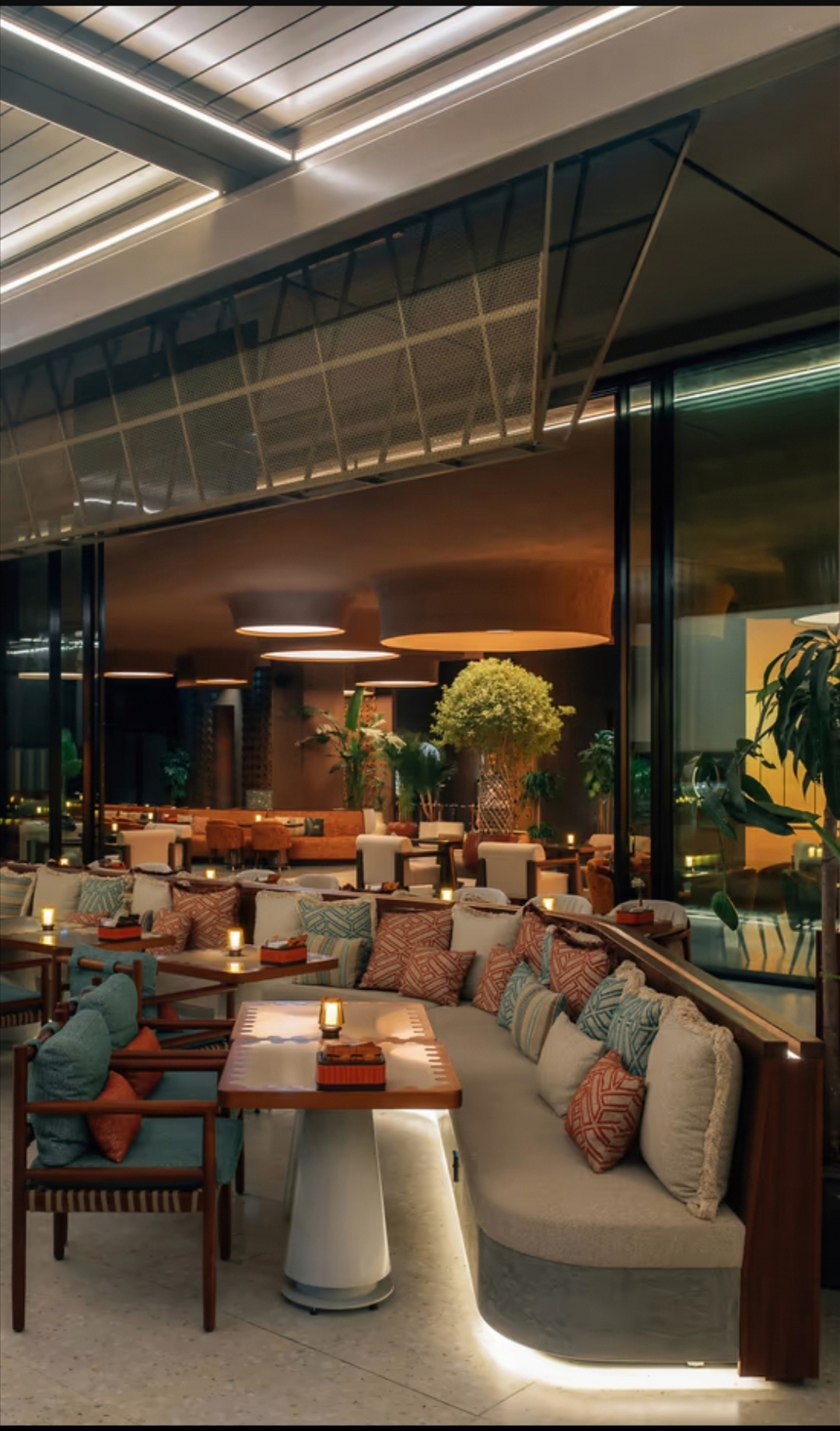
Photo: Instagram/@loop.dubai
Business Bay now has a restaurant that never closes. LOOP sits inside Trillionaire Residences by Binghatti, looking over the Dubai Water Canal, and serves around the clock. Turkish breakfast favourites such as menemen, honeycomb with clotted cream, grilled halloumi and gözleme start the day, then lunches, dinners and shisha carry on through the night. Breakfast at 3am is a legitimate option here, which is exactly the point.
1206

Photo: Instagram/@1206.dubai
On the fourth level of Jumeirah Marsa Al Arab in Umm Suqeim, Stephanie Haywood cooks British food with French, Mediterranean and Scandinavian threads running through it. Two dishes tell the story: a dry-aged beef fat crumpet topped with tartare, horseradish and caviar, and fried chicken wings stuffed with lobster and finished with a house-made fermented hot sauce. Seasonal, locally sourced produce sits at the centre of both.
Casea 101
Photo: Instagram/@casea101dubai
Yannick Alléno’s waterfront restaurant at One&Only The Palm is built for sharing. Seafood towers, crudos, the day’s catch cooked over fire and pizzas pulled from an open kitchen make up the core of the menu. A shaded overwater terrace and access to the resort’s private marina complete the setting on Palm Jumeirah.
Taiga
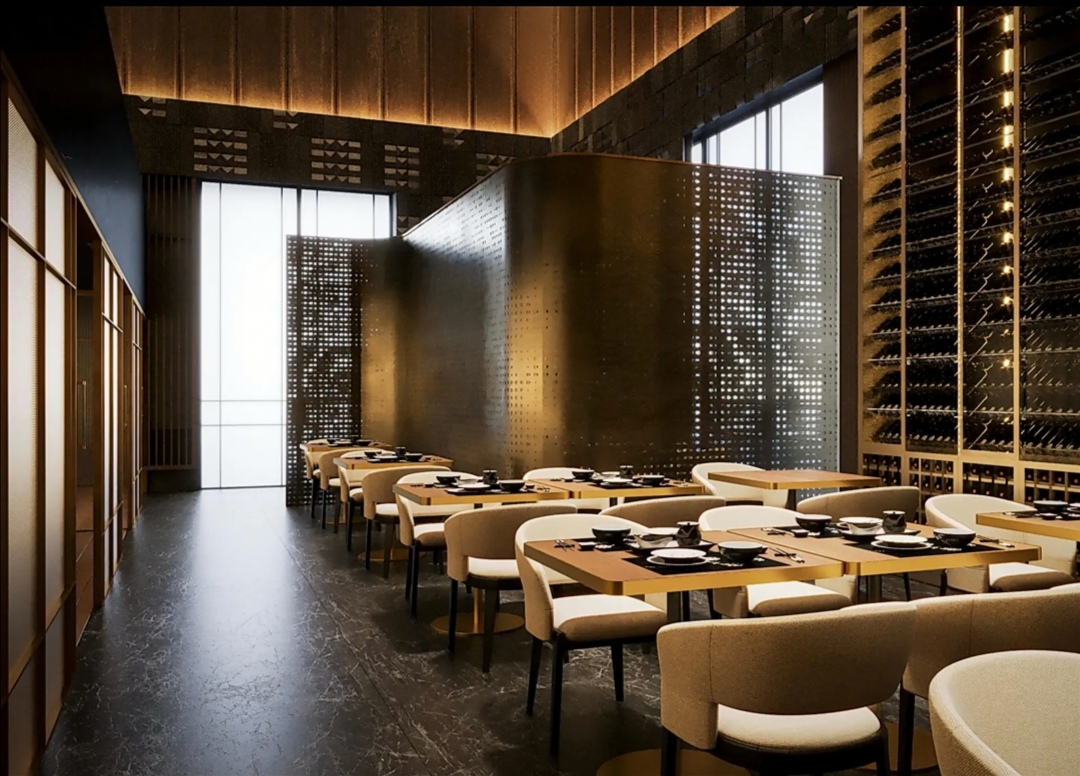
Photo: Instagram/@taiga.japaneserestuarant
Taiga, the new Japanese restaurant on Bluewaters Island, is built around a 19-seat omakase teppanyaki counter. Chefs Takashi Namekata and Hisao Ueda cook the multi-course menu directly in front of you, working with Kobe, Matsusaka and Ozaki wagyu alongside seasonal seafood flown in from Japan.
From a 3am Turkish breakfast to a single counter built around three kinds of Japanese beef, the newest tables in Dubai are making their case through what lands on the plate.
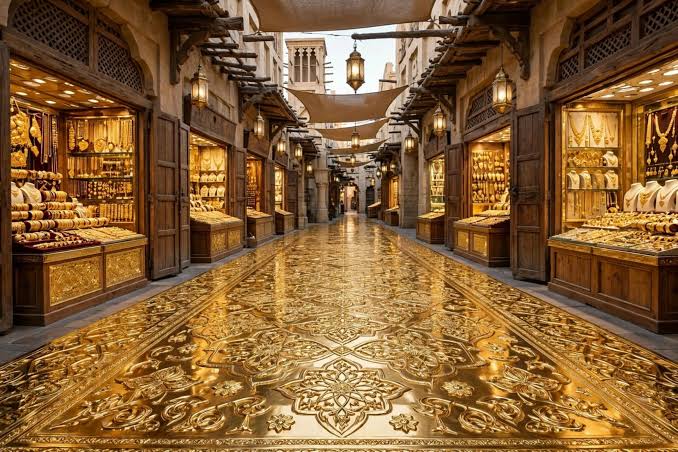
Dubai is set to unveil what is being billed as the world’s first and longest walkway made of 24-karat gold before the end of 2026.
The project is located in Deira, within the Dubai Gold District, a destination launched in January 2026 by Ithra Dubai to consolidate the historic Gold Souk area into a unified hub for gold retail, bullion trading, wholesale and investment. More than 1,000 retailers currently operate within the district.
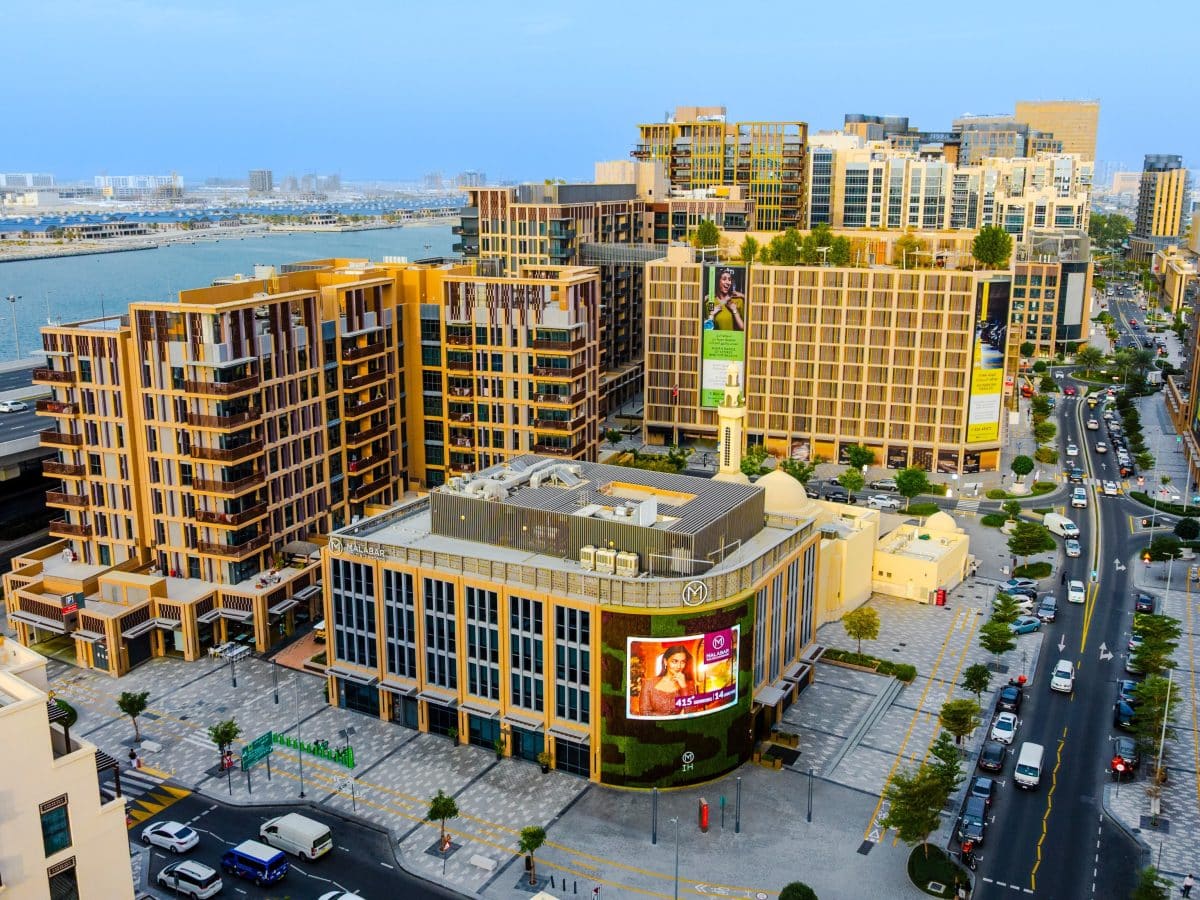
Photo: Getty images
According to Rashid Al Harmoudi, Senior Director of the Commercial Sector at Dubai Gold District, the gold walkway is expected to open to the public within the next two months. The announcement came during an event celebrating two Guinness World Records awarded to Joyalukkas Jewellery for its traditional Jhumka earrings.
Al Harmoudi said the attraction is intended to strengthen Dubai’s position as a global centre for gold trade and tourism, offering visitors a distinctive experience while driving commercial growth in the district. Officials report a 20 percent increase in wholesale gold trading offices and a 15 percent increase in new jewellery and luxury watch stores since the start of the year.
The Dubai Gold District has positioned the walkway as a central feature of its tourism and retail strategy, alongside plans for the largest gold and jewellery trade exhibition in the Middle East.

Photo: Getty images
While the timeline has been confirmed by district officials, key specifications including the walkway’s length, total gold content and construction methodology have not yet been disclosed.
Read Next Post: Jenna Ortega May Take a Break From TV After Wednesday
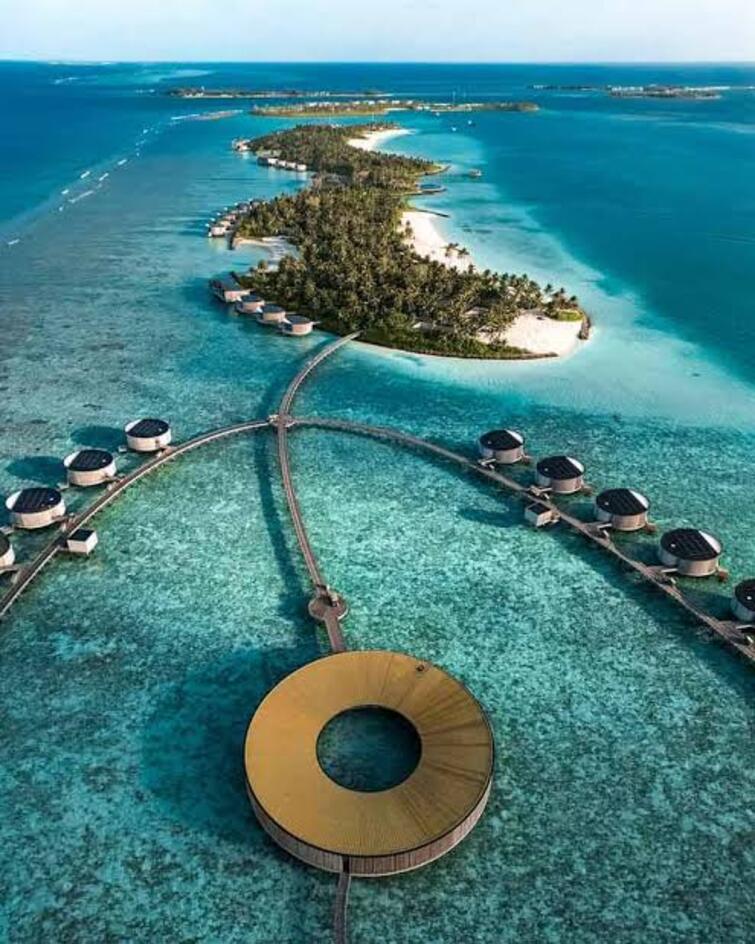
There was a time when the hotel was simply where you stayed after a day of exploring. That has changed. Today, the resort can be part of the destination itself, shaping how travellers spend their time and experience the place around them.
These seven properties are designed around a specific landscape, pace, and idea of luxury, here are the resorts worth building a trip around right now.
Qasr Al Sarab by Anantara, Abu Dhabi
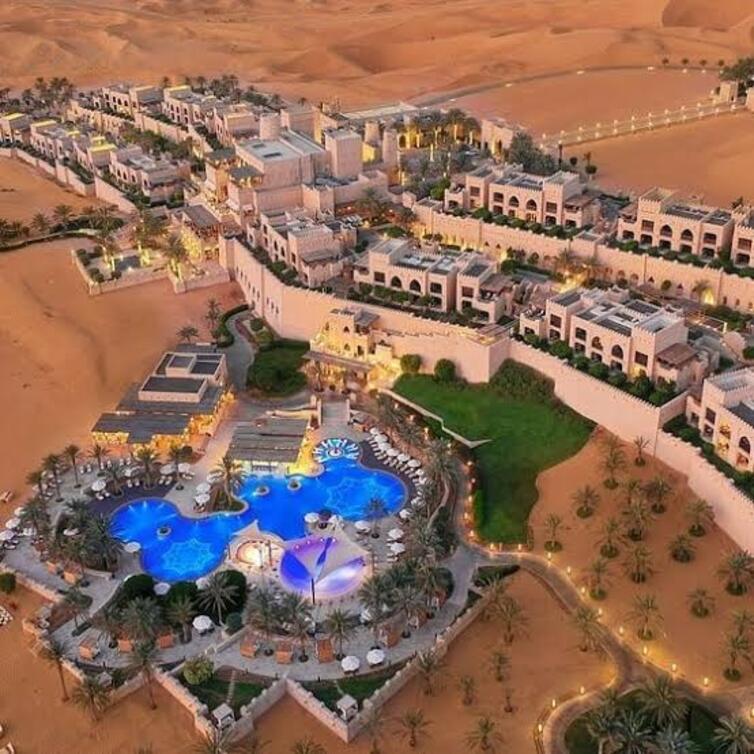
Photo: Instagram/@ thetravelclubb
Two hours outside Abu Dhabi, the Liwa Desert opens into dunes that go on for miles. Qasr Al Sarab sits in the middle of it. Inspired by the region’s traditional forts, the resort has an unmistakably Arabian character, while its secluded setting keeps the atmosphere calm and far from the pace of the city.
Days here can begin with a drive across the dunes or a camel trek before moving into a quieter afternoon at the Anantara Spa, where treatment rooms look out over the desert. The setting makes it easy to put the usual pace of life aside and spend a little longer doing very little.
Mango House Seychelles, Mahé
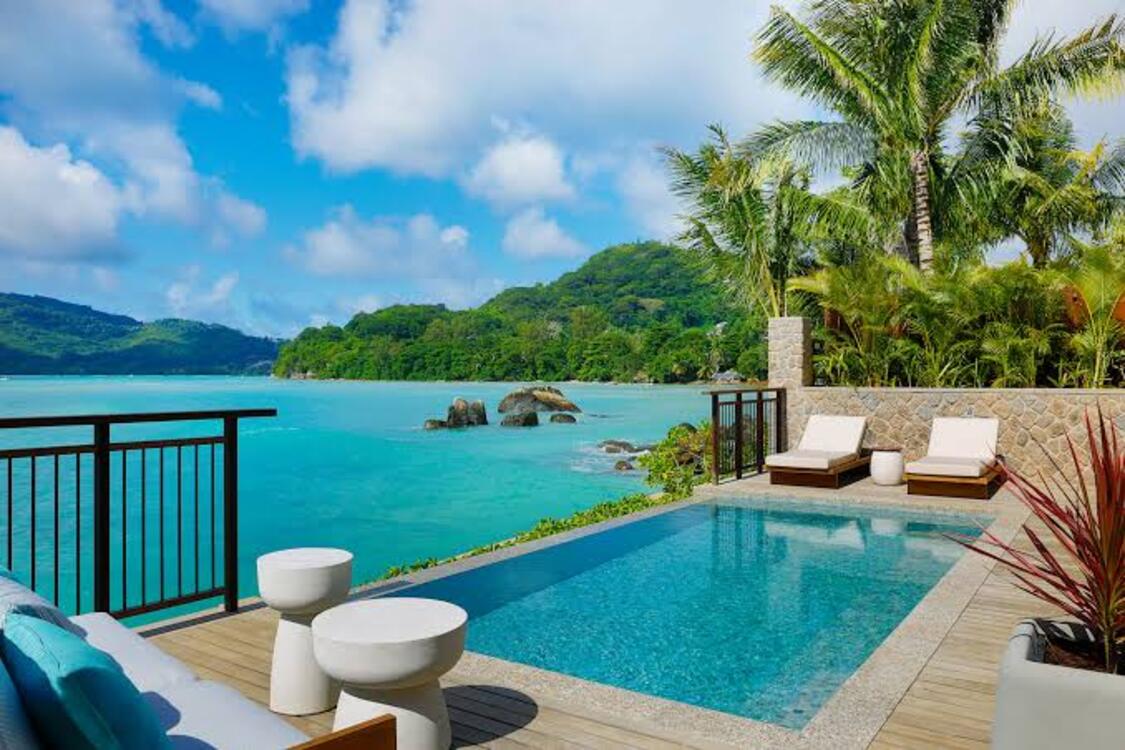
Photo: Instagram/@ Arenatours
On Mahé’s northwest coast, Mango House trades big-resort energy for something smaller. Villas and suites face the Indian Ocean, with private terraces that put the water in front of you all day.
Gh Mango House keeps the pace deliberately easy, with the coastline and Indian Ocean views providing much of the appeal. It is a natural choice for couples who want to experience Seychelles at a slower pace, away from the busier resort crowds.
The Ritz-Carlton Maldives, Fari Islands
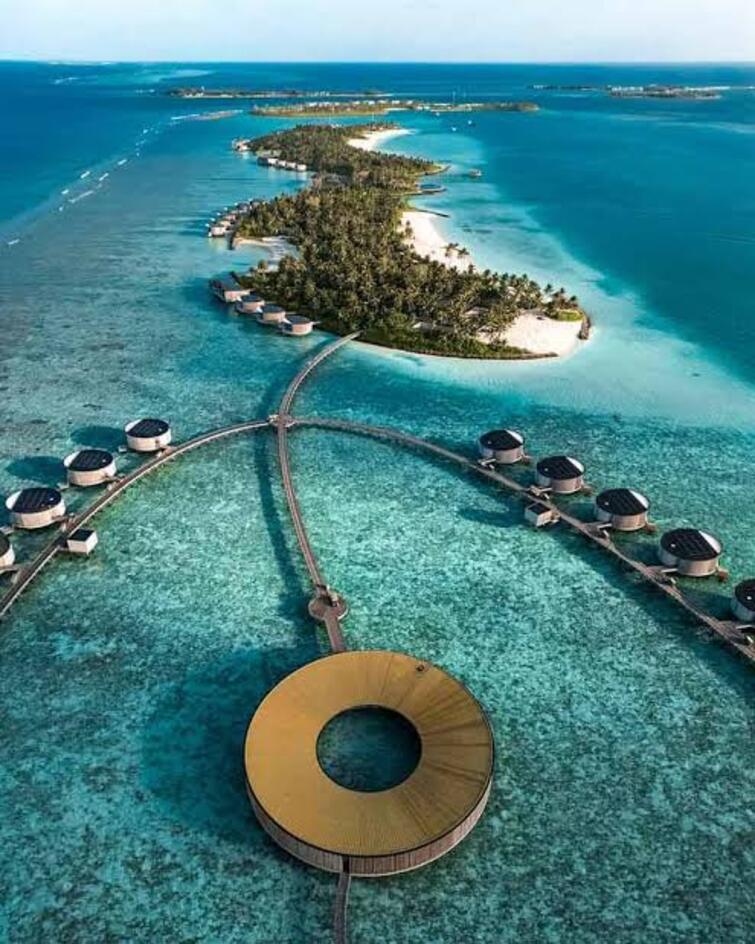
Photo: The Ritz-Carlton
In North Malé Atoll, The Ritz-Carlton Maldives is built around separation and service. Villas sit on their own beach coves or over the water, close enough for families to stay connected but far enough apart to feel secluded.
Each villa comes with an Aris Meeha, the resort’s dedicated island butler. With the Indian Ocean always within view, the experience feels discreet, relaxed and deeply personal.
Soneva Fushi, Maldives
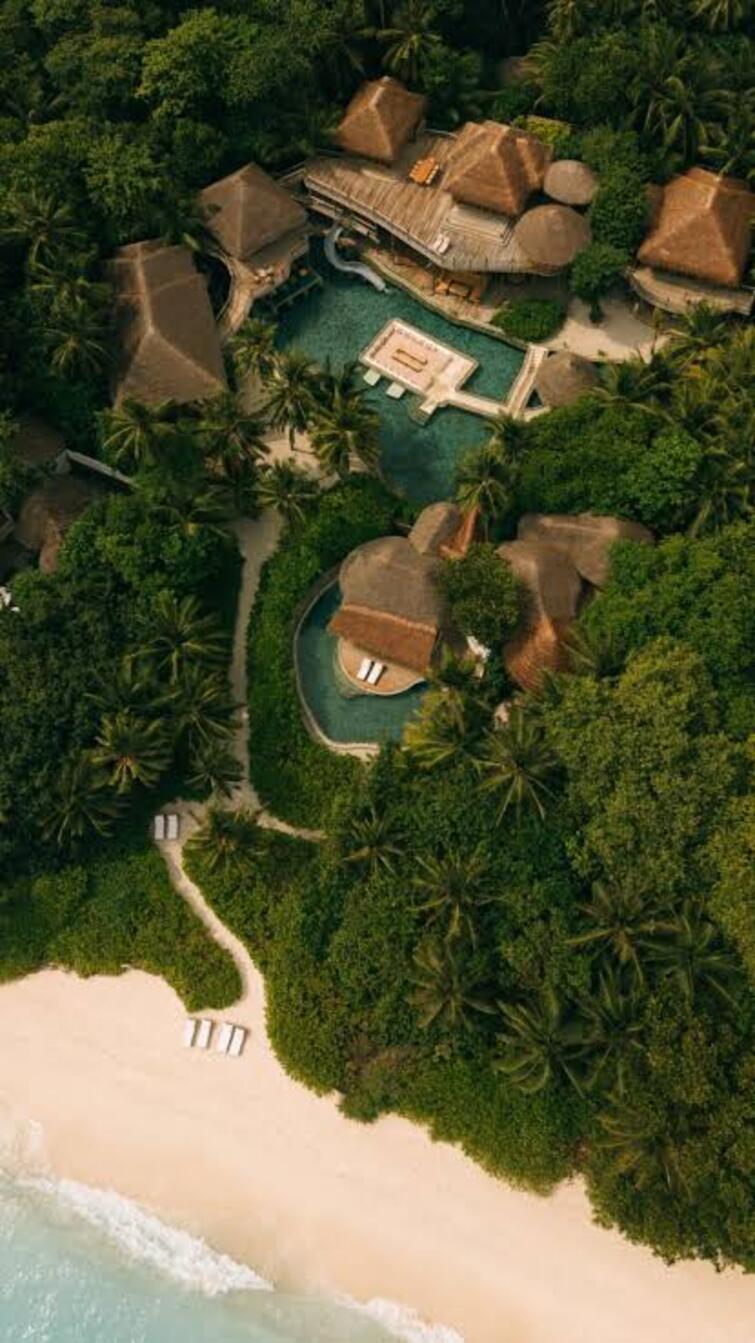
Photo: Soneva
Soneva Fushi takes a different approach to island luxury, placing nature at the heart of the experience. Its villas are surrounded by dense tropical greenery, while the resort’s private-island setting encourages guests to slow down and disconnect, reflected in its “no news, no shoes” philosophy.
There’s Soneva Soul for wellness, a calendar of visiting experts through Soneva Stars, and multiple dining venues. For families, The Den is one of the largest kids’ clubs in South Asia.
Banyan Tree AlUla, Saudi Arabia
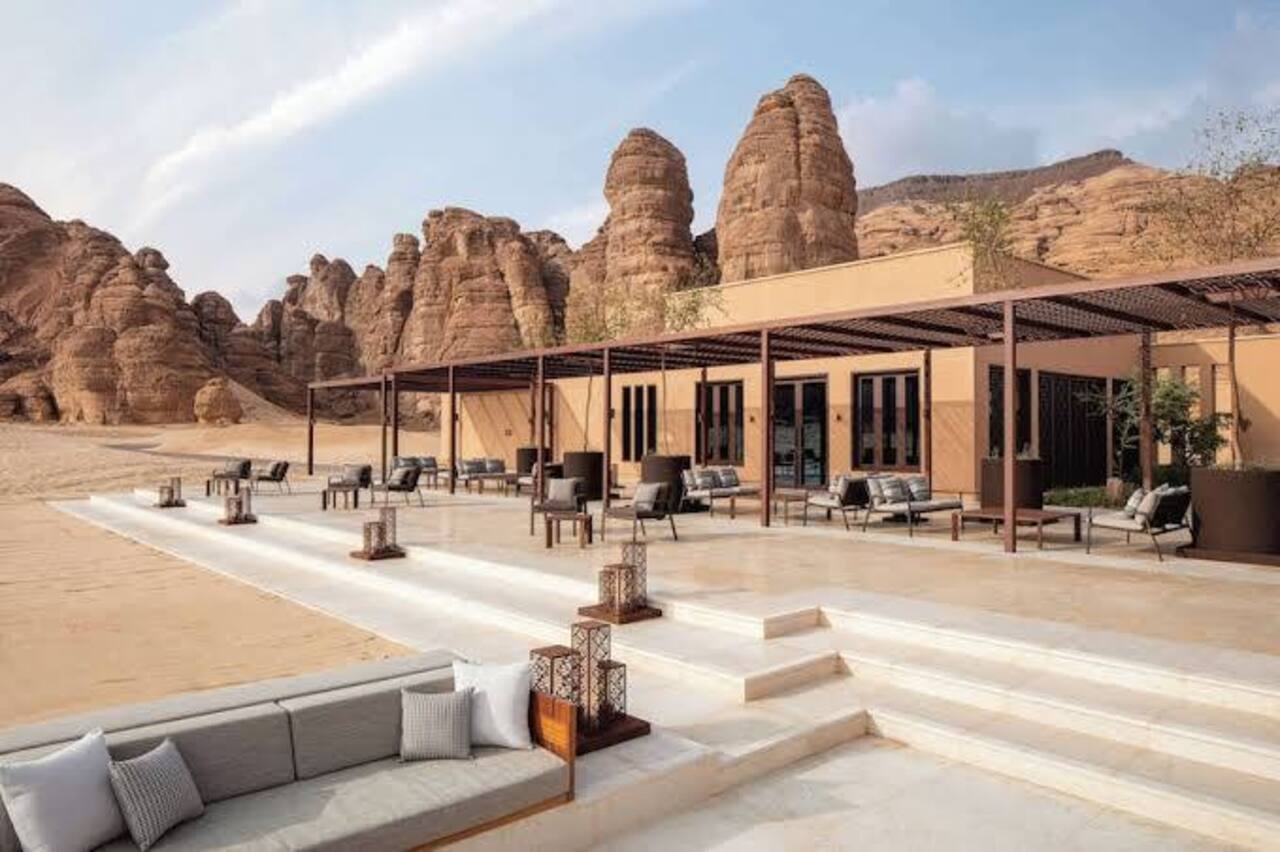
Photo: Accor
In Wadi Ashar, AlUla, Banyan Tree built an all-villa resort that sits low against the rock formations.
This is a destination for travelers interested in Saudi Arabia’s cultural sites who also want space to decompress. Days are spent exploring AlUla’s archaeology. Evenings are spent watching the light change over the cliffs from your villa terrace.
The Leela Palace Udaipur, India
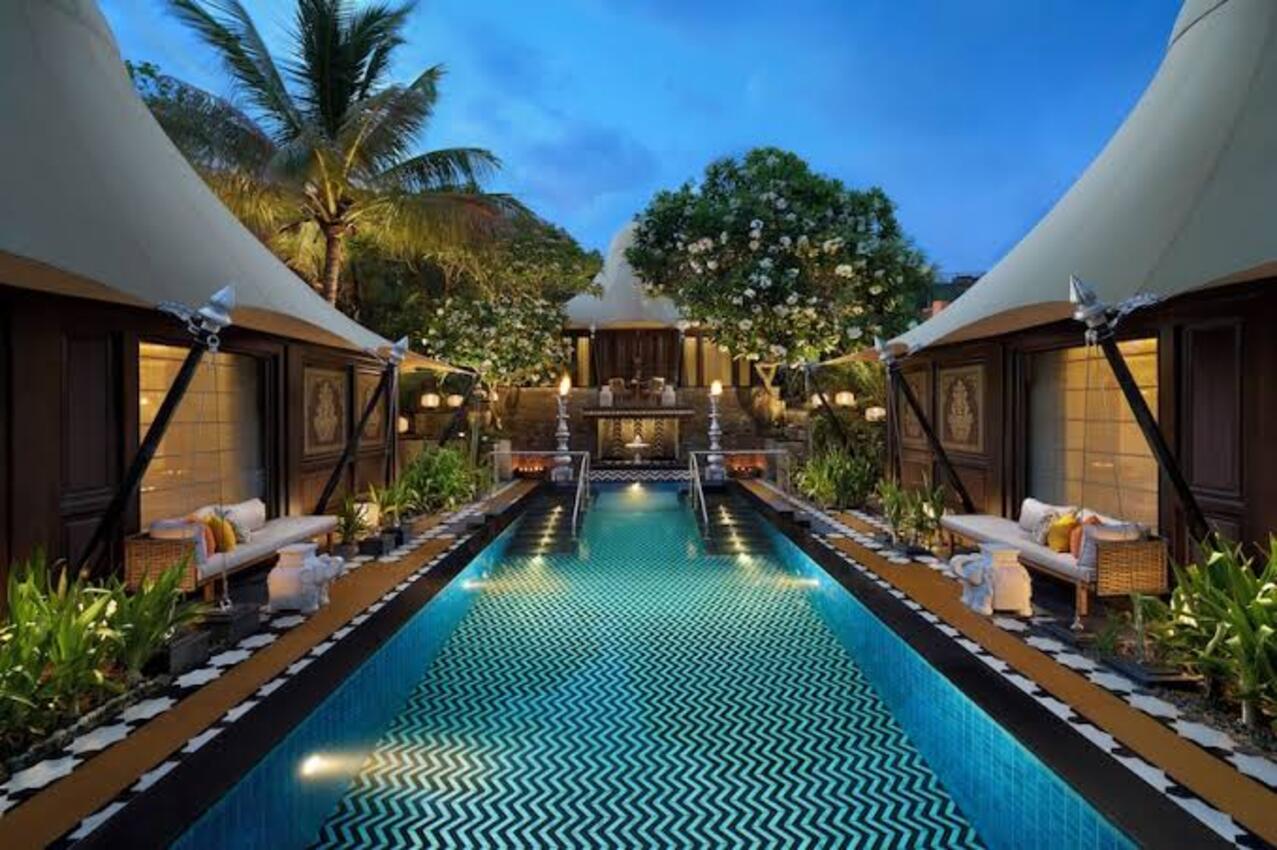
Photo: Instagram/@ theleelapalaceudaipur
On Lake Pichola, with the Aravalli mountains behind it, The Leela Palace Udaipur connects a resort holiday to Rajasthan’s heritage.
Beyond the lake views, the property programs folk performances, Pichwai painting sessions, and guided visits to historic sites.
Patina Maldives, Fari Islands
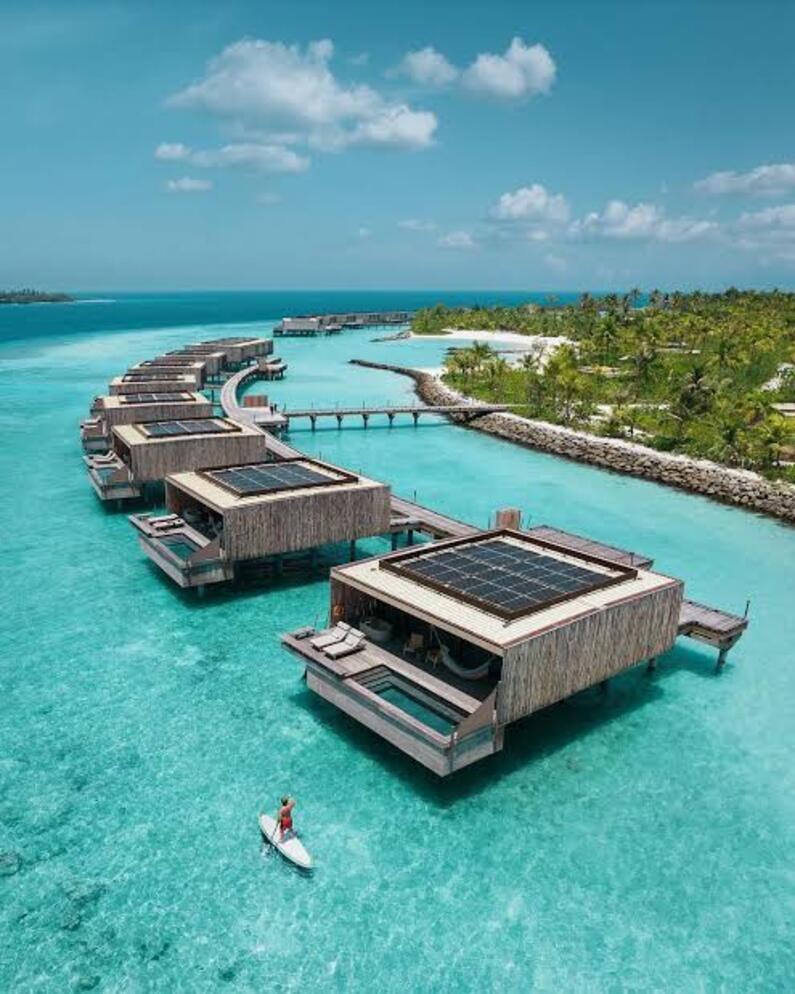
Photo: Instagram/@ makeplansholidays
Also in the Fari Islands, Patina Maldives approaches the Maldives differently. The design is contemporary: Beach and Water Pool Villas, plus Fari Studios, all built around light and open space.
The programming is what sets it apart. Picture tailor-made wellness, chef collaborations, and Cosmopolitan Ocean, a series of art and music installations with international creatives.
What ties them together
These resorts span deserts, lakes, and oceans. They serve couples, families, and solo travelers. But they share one principle: the location leads.
Read Next Post: Everything You Missed as Chanel Celebrates 25 Years of Coco Mademoiselle


The Makeup Trends That Will Be Everywhere This Festive Season

Puerto Rico’s Jennifer Barreto Wins Miss Universe 2026

Kim Kardashian Wears Double Leather to Support Lewis Hamilton at Las Vegas


-

 Celebrity news5 months ago
Lamar Odom Explains His Comments About Marrying Khloé Kardashian for Fame
-

 Wellness5 months ago
4 Tasty Ways to Add More Protein to Your Meals
-

 TV Shows1 month ago
Who Are the Cast Members of Love Is Blind: Habibi Season 2?
-

 Movies5 months ago
‘Practical Magic 2’ Brings the Owens Sisters Back After Nearly 30 Years
-

 Lifestyle3 months ago
Brands Founded by Emirati Women You Need on Your Radar
-

 Celebrity news5 months ago
Kourtney Kardashian Reveals Her Framed ‘Travis I’m Pregnant’ Sign Still Hangs in Her Home
-

 Fragrance3 months ago
Amouage Introduces Two Intense Extrait Perfumes Inspired by Transformation
-

 Dubai Fashion Week1 month ago
All the Highlights From Dubai Fashion Week So Far