
Beauty
The Best LED Facemasks to Try 2026


Dubai’s climate isn’t gentle on skin. Constant sun exposure, heavy air-conditioning, humidity, and long, busy days can leave skin stressed and unbalanced. That’s where LED face masks come in:
- Help calm stressed skin
- Support collagen and skin repair
- Reduce breakouts caused by heat and sweat
- Fit into a home routine no downtime
They’re not magic overnight fixes, but with consistency, they make a visible difference.
LumaLux Face Pro LED Mask
This is one of the most talked-about LED masks in the UAE right now and for good reason. It offers multiple light modes and feels like a proper spa treatment at home. With regular use, many users notice smoother skin, improved glow, and better texture. It’s especially popular with people focused on anti-aging and overall skin health.
SkinMirae Advanced LED Light Therapy Mask

Photo Credit: Skinmirae
If you like options, this one delivers. It combines red, blue, infrared, and purple light, meaning you can switch depending on what your skin needs that week calming irritation, fighting breakouts, or boosting radiance, it’s gentle and works well even for sensitive skin.
Lumamask 7 LED Face Therapy

Photo Credit: projectebeauty
This mask is great if you want maximum flexibility without overthinking things. With seven different light modes, it covers nearly every concern ,from dull skin to uneven tone. It’s lightweight, comfortable, and easy to fit into a nighttime routine.
LUX SKIN LED Facial Mask

Photo Credit: Lux Skin
This one is easy to use and doesn’t feel heavy on the face. If you’re trying an LED mask for the first time, it’s a comfortable place to start. You can wear it while resting or watching TV. The red and blue light options help with skin clarity and brightness, especially after long days outdoors.
iRestore LED Face Therapy Mask
This mask is mainly designed around red and infrared light, which makes it a good fit for anyone focused on skin repair and long-term anti-aging. It has a strong LED output and works well when used consistently over time. Think slow, steady improvement rather than instant change.
Read Next Post: Zeus Network Announces 2026 Docuseries of Justin and King Combs Amid Diddy Controversy
The next beauty conversation may not be about finding the right serum or concealer. On TikTok, growing interest in “ferritin face” is turning attention towards something less visible: the body’s iron stores and their possible connection to changes in skin, hair and nails. The trend is raising questions about whether the future of beauty will involve looking beyond the products people apply and paying closer attention to what is happening inside the body.
The term refers to a collection of visible changes that social media users associate with low ferritin levels. Ferritin is a protein that stores iron in the body, helping maintain reserves needed for essential functions. When these reserves become depleted, people may experience symptoms such as fatigue and hair loss. However, the changes associated with ferritin face are not exclusive to iron deficiency.
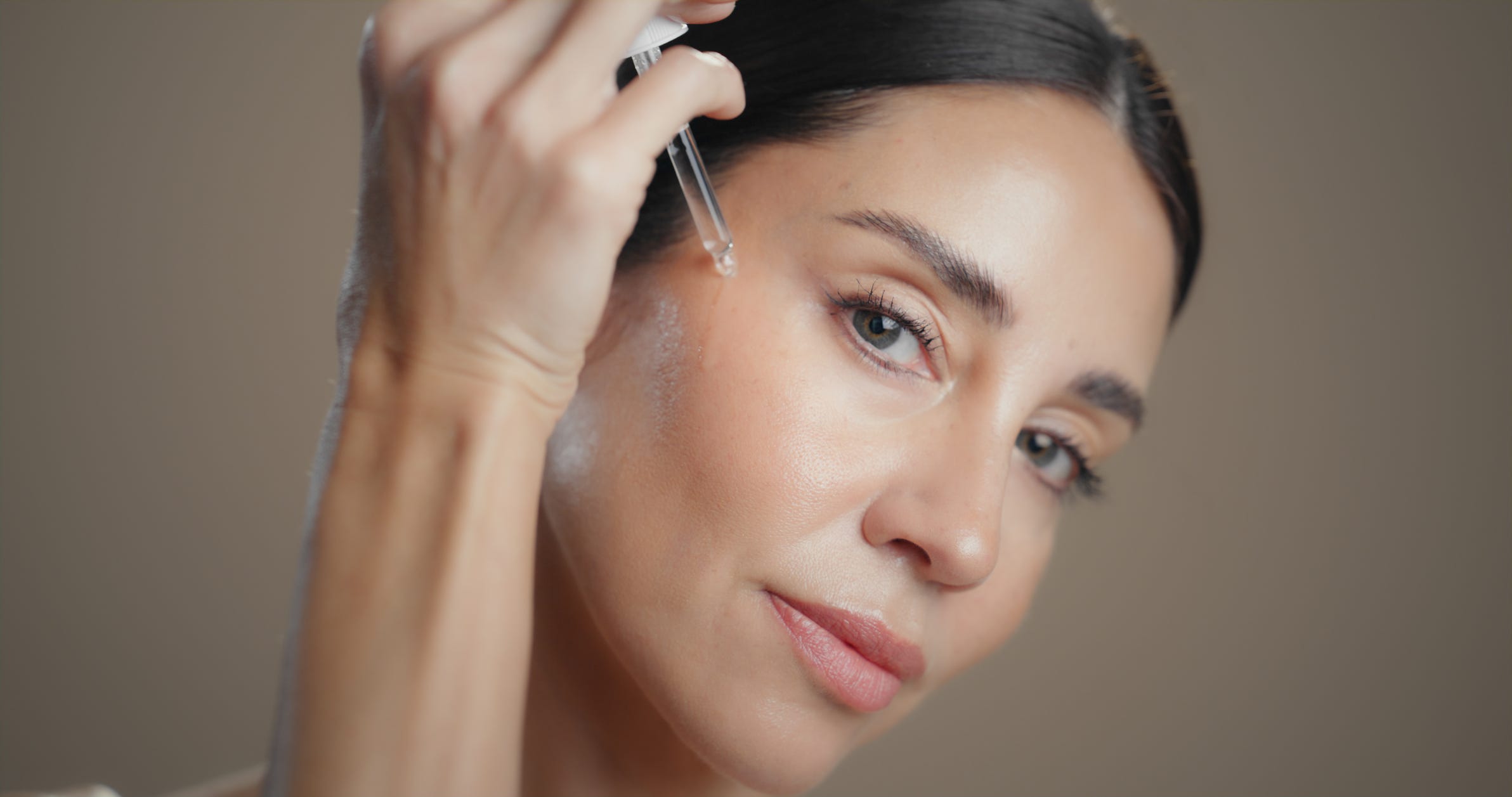
Photo: Getty images
The conversation has attracted considerable attention online. The hashtag #FerritinFace has accumulated more than 16 million views on TikTok, while Google searches for the term reportedly increased by 5,000 per cent in the UK since October. Videos featuring users examining their appearance for possible signs of low iron have contributed to the discussion, with some also sharing recommendations involving supplements and traditional Chinese medicine.
For beauty consumers in the UAE and beyond, the discussion introduces another way of thinking about skincare. Rather than focusing exclusively on products that address visible concerns, attention is shifting towards whether nutrition, hormones and other internal factors could influence the condition of the skin, hair and nails.
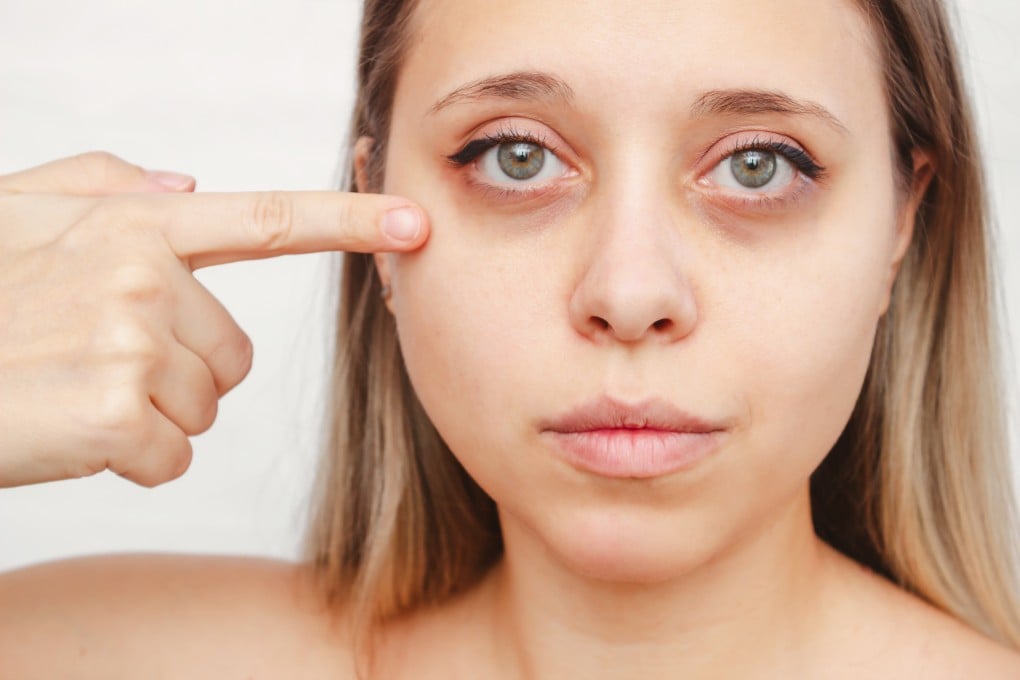
Photo: Getty images
However, medical professionals caution against using facial appearance to identify iron deficiency. Dark circles, dull skin and hair loss can have several causes, including genetics, hormonal changes, stress and inadequate sleep. Ferritin face is not a recognised medical diagnosis, and appearance alone cannot establish whether someone’s iron stores are low.
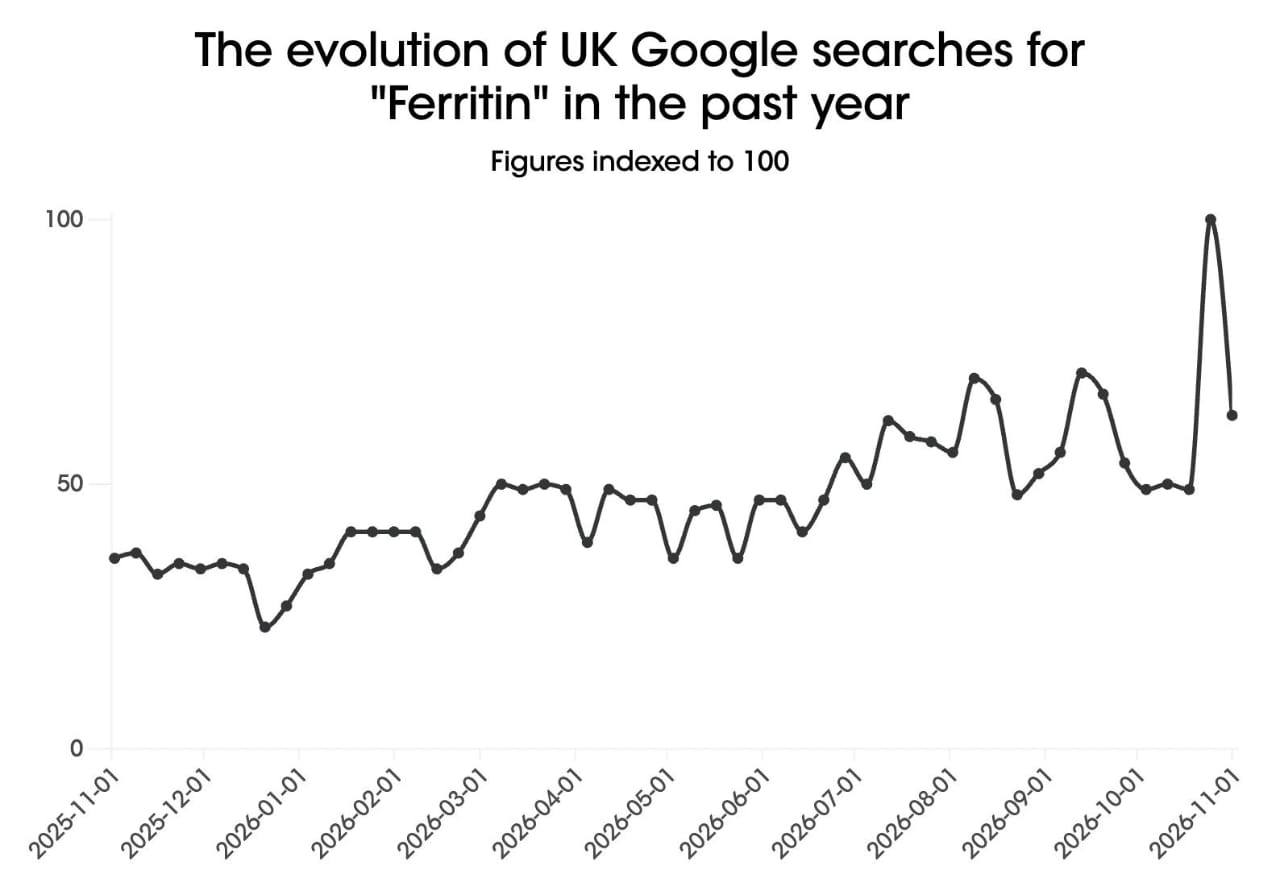
Photo: Google trends
For people experiencing persistent symptoms, healthcare professionals may recommend a medical assessment, including a ferritin test and a full blood count. Taking iron supplements without confirming a deficiency is also inadvisable, as excessive intake can cause side effects and, in some cases, toxicity.
Beauty’s Growing Interest in Personalised Technology
The discussion around ferritin face has brought renewed attention to the relationship between internal health and outward appearance. However, the beauty industry’s interest in personalisation extends beyond this conversation. Brands are increasingly exploring ways to understand individual skin characteristics and use that information to inform skincare recommendations, although these cosmetic assessments are not substitutes for medical tests.
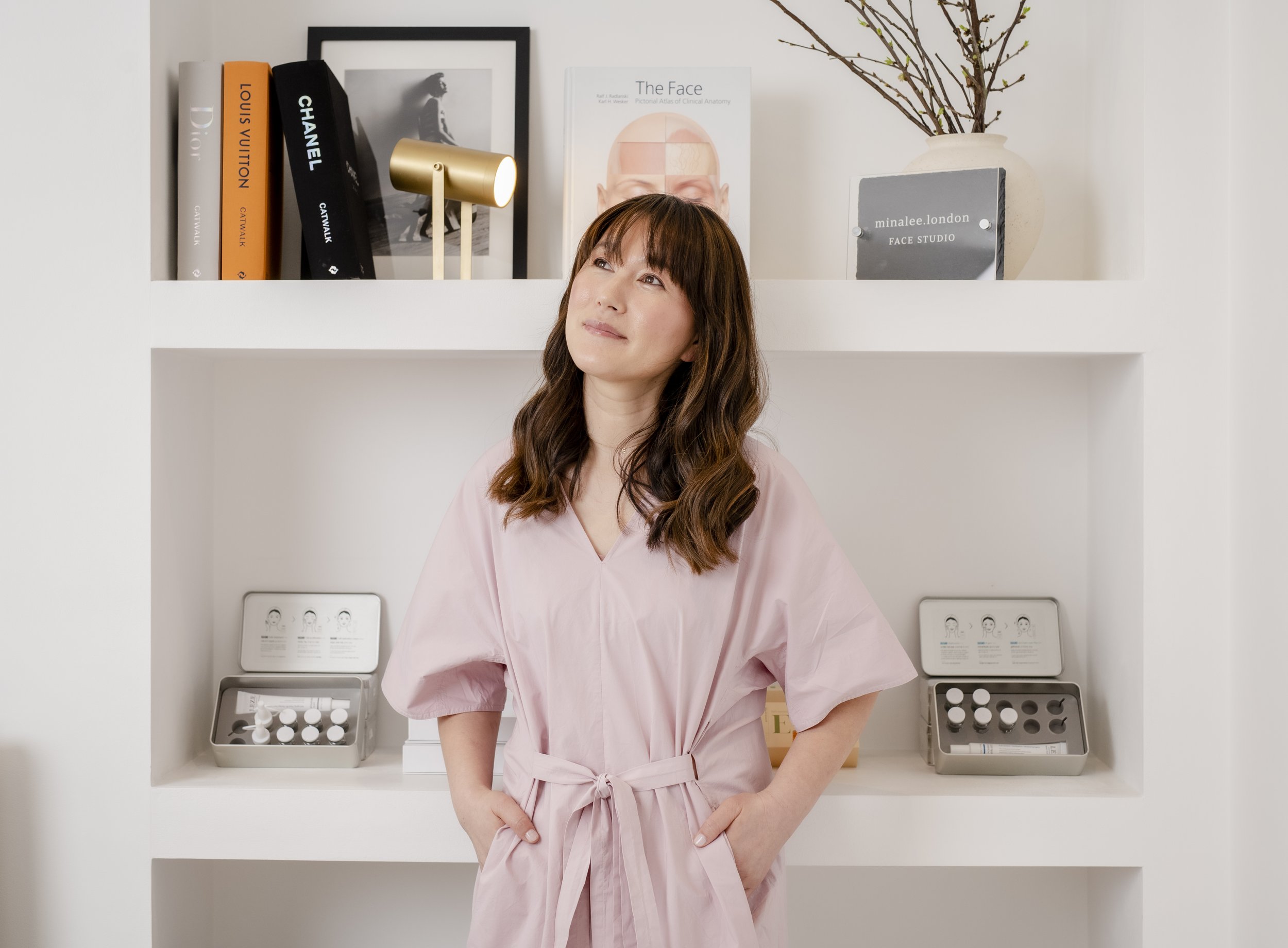
Mina Lee, founder and creative director of her eponymous facial studio in Chelsea, approaches skin concerns by looking beyond what appears on the surface. Drawing on a perspective familiar in Korean beauty traditions, where the condition of the face is often considered alongside a person’s general health, she takes an interest in factors such as diet, digestion, sleep and mental wellbeing before recommending treatments. Her comments suggest that the interest in ferritin face is not entirely a new way of thinking about beauty, but part of a longer-standing conversation about the relationship between internal health and outward appearance.
This interest is creating opportunities for beauty companies exploring more personalised approaches to skincare. L’Oréal first unveiled Cell BioPrint at the Consumer Electronics Show in Las Vegas in January 2025, before introducing it with Lancôme as the pilot brand in March 2026. Developed in partnership with South Korean technology company NanoEnTek, the device uses a cheek swab, facial imaging and protein biomarker analysis to assess aspects of skin biology. Its five-minute assessment is designed to provide insights into skin’s biological age and support more personalised skincare recommendations. However, Cell BioPrint is a skincare analysis tool; it does not measure ferritin levels or diagnose iron deficiency.
The UAE’s beauty and wellness industries provide a relevant backdrop to this growing interest in personalised care. According to the Global Wellness Institute’s 2025 report, the country’s Personal Care & Beauty sector was valued at $14.8 billion in 2024. The report also highlights the use of biometric skin analysis and AI-driven diagnostics in personalised wellness services. These developments point to growing opportunities for technology-led approaches to beauty and skincare, although cosmetic assessments remain distinct from medical tests used to identify conditions such as iron deficiency.
Read Next Post: Kim Kardashian’s SKIMS Offers Refunds After Advent Calendar Backlash
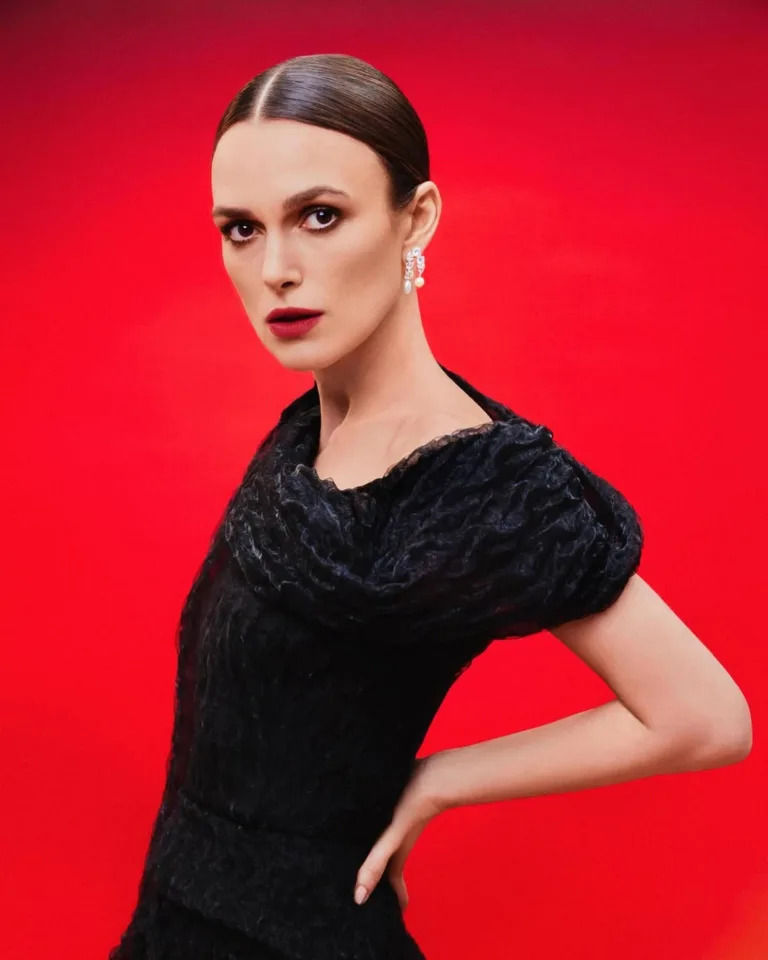
Chanel’s Rouge Allure lipstick in Pirate has maintained a place in the brand’s makeup collection, recognized for its blue-toned crimson colour and satin finish. Its association with several well-known figures has also brought the shade into conversations about classic red lipstick, a makeup choice that continues to feature in both everyday beauty routines and more formal looks.
Introduced in 2006, Chanel’s Rouge Allure line features a distinctive lipstick case that opens with a simple press at its base. Its presentation became part of the collection’s identity, combining a black exterior with gold detailing. Over time, the range has included different colours and finishes, with Pirate emerging as one of its recognisable red options.
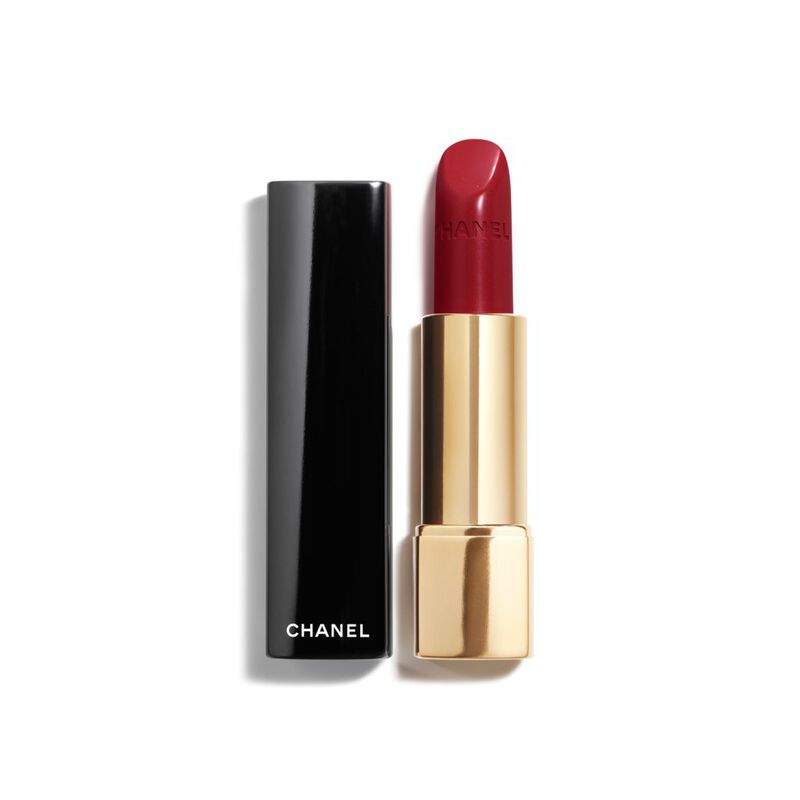
Photo: Chanel
Listed as shade 99, Pirate is a soft blue-toned red. Its colour sits within the cooler end of the red spectrum, offering an alternative to orange-based and warmer crimson shades.
Pirate was included in Chanel’s 2012 Rouge Allure colour offering, which featured several interpretations of red alongside pink, beige, orange and brown options. It appeared alongside shades such as Incandescente, Coromandel, Palpitante and Passion, each offering a different take on colour. The collection also included a coordinating Le Vernis nail polish in shade 08 Pirate, extending the colour beyond the lips.
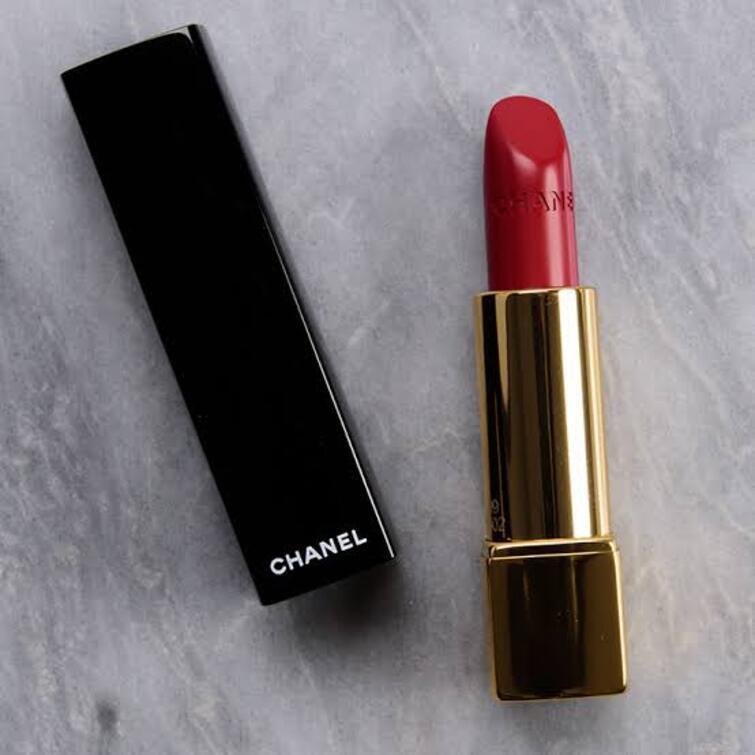
Photo: Chanel
The lipstick has been associated with actresses including Keira Knightley, Marion Cotillard, Penélope Cruz and Lupita Nyong’o. Taylor Swift has also worn the shade, pairing it with MAC’s Ruby Woo for her on-tour makeup.
Beyond its colour, the Rouge Allure formula is another defining feature of the product. Chanel describes the lipstick as a luminous, intense lip colour with a silky texture and satin effect, its formula contains a high concentration of fine pigments, alongside a vitamin E derivative and a blend of coconut and castor oils.
The satin finish gives Pirate a soft sheen that enhances the depth of its crimson colour while maintaining an even, smooth appearance on the lips. Its silky texture allows the colour to glide on easily, leaving a luminous finish without excessive shine.
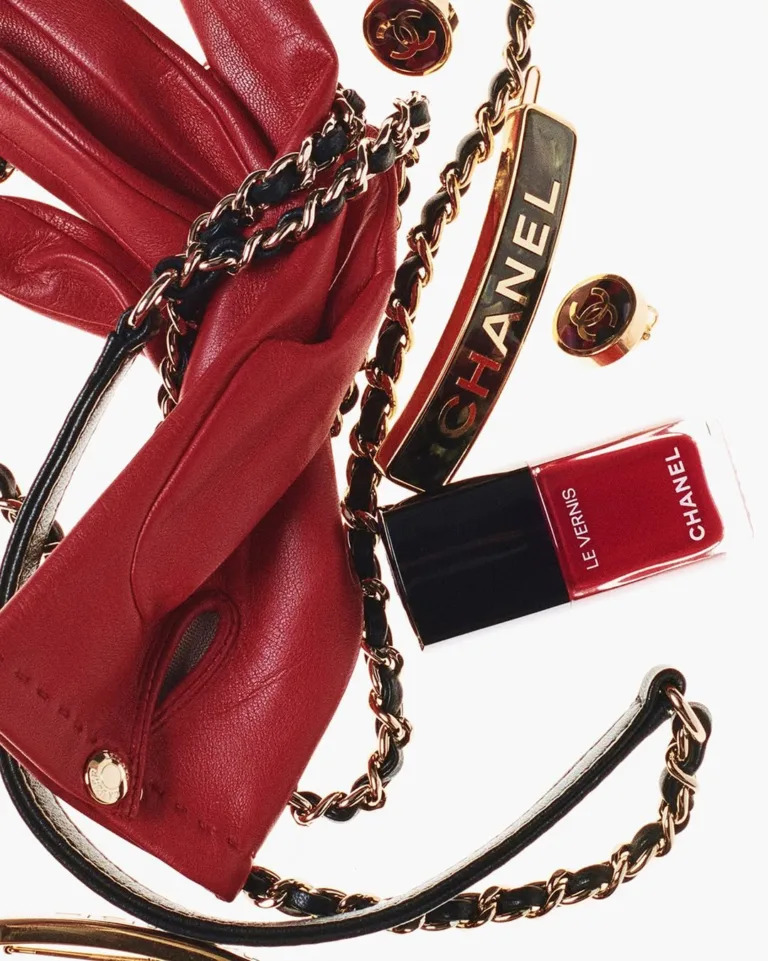
Photo: Chanel
CHANEL makeup artist Julie Cusson has also featured Pirate when demonstrating the range of effects possible with red lipstick. She placed the blue-red shade alongside Rouge Allure Velvet in 57 Rouge Feu, an orange-red, and Rouge Allure Laque in 73 Invincible, a neutral red. The comparison highlighted how different shades and finishes can shape the overall look.
Its continued association with both celebrity makeup looks and Chanel’s beauty history has helped keep Pirate in conversations about the red lip. More than a passing seasonal colour, it has become a familiar reference for those who appreciate a classic red with a distinctive character.
Read Next Post: The Kardashian-Jenner Sisters Reunite for SKIMS’ Christmas Campaign
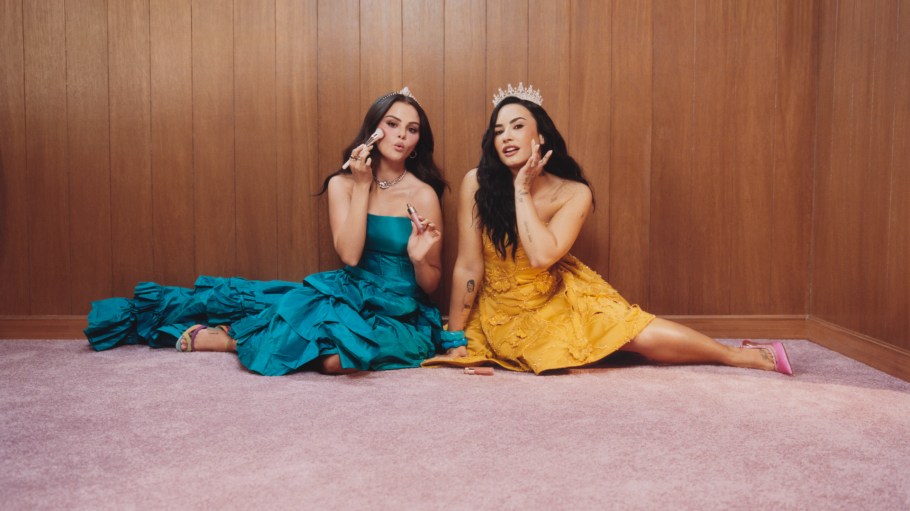
Selena Gomez and Demi Lovato have reunited for Rare Beauty’s latest campaign, recreating scenes from their 2009 Disney Channel film Princess Protection Program and the YouTube videos they made together as teenagers.
Titled: Still Making Each Other Blush, the campaign features a limited-edition Delena Soft Pinch Blush Bundle, named after the duo’s fan-given nickname. Priced at $50, the set pairs two Soft Pinch Liquid Blush shades: Hope, a nude mauve favoured by Gomez, and Virtue, a beige peach selected by Lovato. A Soft Pinch Blush Brush is also included.
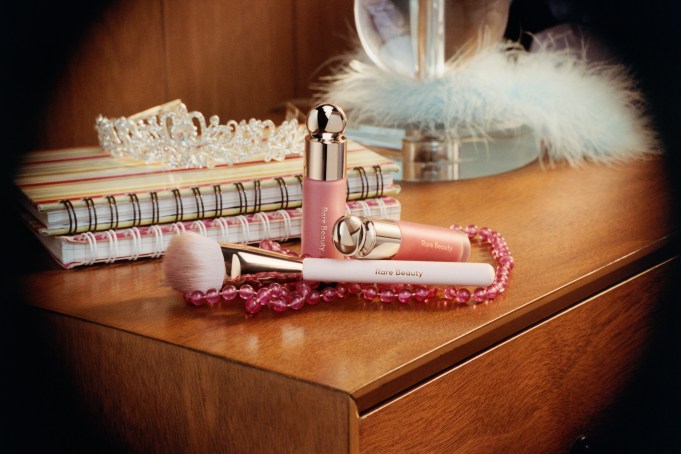
Photo: Instagram/@rarebeauty
The campaign draws on the pair’s Disney-era memories, recreating the Princess Protection Program poster with Gomez and Lovato in updated versions of the blue and yellow gowns worn by their characters, Carter Mason and Princess Rosalinda. They also revisit their 2008 YouTube series, The Demi and Selena Show,” in a video shared on Gomez’s channel, answering questions, talking about childhood crushes and lip-syncing to One and the Same, their duet from the film.
The actresses first met while working on Barney & Friends as children before pursuing separate projects on Disney Channel. Gomez starred in Wizards of Waverly Place, while Lovato appeared in Camp Rock and Sonny with a Chance.
Their latest appearance together follows Gomez’s attendance at the opening night of Lovato’s It’s Not That Deep tour in Orlando, Florida, in April. The reunion preceded their collaboration for Rare Beauty, the cosmetics brand Gomez founded in 2020.
Lovato described the campaign as a meaningful opportunity to reconnect through memories they had made growing up. She also noted that she had been using Gomez’s liquid blush, adding that filming together reminded her of their teenage years spent making videos and experimenting with makeup.

Photo: Instagram/@rarebeauty
Gomez also spoke about the memories they share, describing the campaign as a chance to revisit their past while appreciating how far they have both come. She ended her statement with “One and the same always,” a reference to their duet from Princess Protection Program.
Rather than introducing a new blush formula, Rare Beauty’s release combines two existing Soft Pinch Liquid Blush shades in a limited-edition set. The bundle is available exclusively through the brand’s US website, according to its product listing.
Read Next Post: Jenna Ortega May Take a Break From TV After Wednesday

Is Ferritin Face the Next Big Thing in Beauty?

Kim Kardashian’s SKIMS Offers Refunds After Advent Calendar Backlash

Chanel’s Pirate Lipstick Earns a Place Among Beauty’s Most Recognisable Red Shades


-

 Celebrity news4 months ago
Lamar Odom Explains His Comments About Marrying Khloé Kardashian for Fame
-
 Top Xclusiv5 months ago
North West and Molly Santana Announce 14-Date Kimokawaii Tour
-

 Top Xclusiv5 months ago
Anne Hathaway Reveals She Is Pregnant With Her Third Child
-

 Top Xclusiv5 months ago
Khloé Kardashian Opens Up About Her Cosmetic Enhancements and Injectables
-

 Jewelry5 months ago
Saudi Jewellery Brands Worth Knowing
-
 Celebrity news4 months ago
Kourtney Kardashian Reveals Her Framed ‘Travis I’m Pregnant’ Sign Still Hangs in Her Home
-

 Top Xclusiv5 months ago
Why Kourtney Kardashian didn’t Include Scott Disick in Her Father’s Day Tribute
-

 Movies5 months ago
Original Fast and the Furious Returns to Theaters in August