
Health
4 Reasons Why Shorter Workouts Might Give Results


I used to believe a solid workout meant spending hours at the gym. Where it is long enough to sweat buckets, and you can feel every muscle ache, pushing yourself to the limit. Think about it, life gets more busy, you don’t have all the hours to spend in a gym house. These days, you can get a solid session done in 20 minutes, and honestly, it works. You can’t drift off, scroll on your phone, or take long breaks. You just go, move from one exercise to the next. By the end of the session, there’s sweat, a racing heartbeat, and a strong sense of accomplishments.
Focused Movement

With limited time, every exercise becomes focused. You don’t have hours to waste, so you pay attention to form, effort, and breath. That single-minded approach strengthens both body and mind, it’s about doing things properly rather than doing them for longer.
Quick Cardio Gains

Imagine the sun just starting to peek over the city skyline. The streets are quiet, but your legs are moving fast, up a flight of stairs, along the empty promenade, your breath coming in sharp bursts, so twenty minutes feels short, almost too short, but every step, every push, every movement hits a bit harder than you expect. By the end, your heart is racing, your muscles are awake, and somehow, it’s enough. More than enough. Short workouts are all about making every second count. They take what might feel like a small effort and turn it into something that builds strength, stamina, and momentum you can carry through the day.
Strength Without Burning Out
Shorter workouts push the body just enough without draining it completely. There are Moves that work multiple muscles at once—like squats, rows, or push-ups, they make every minute count. Because energy isn’t wasted, it’s easier to stay consistent and keep training day after day
You Stick With It
Perhaps the biggest advantage is consistency. Fifteen-minutes is realistic. It’s something that fits easily into a busy day—before work, between meetings, or once the kids are asleep. Once it becomes routine, even these short sessions start to add up, creating real, noticeable results over time.
Conclusion
You don’t need to spend hours in the gym to be fit, that small tasks and work out can really make a difference. Remember it’s more of intensity and less of duration.
Read Next Post: Lil Nas X Hospitalized After Los Angeles Arrest

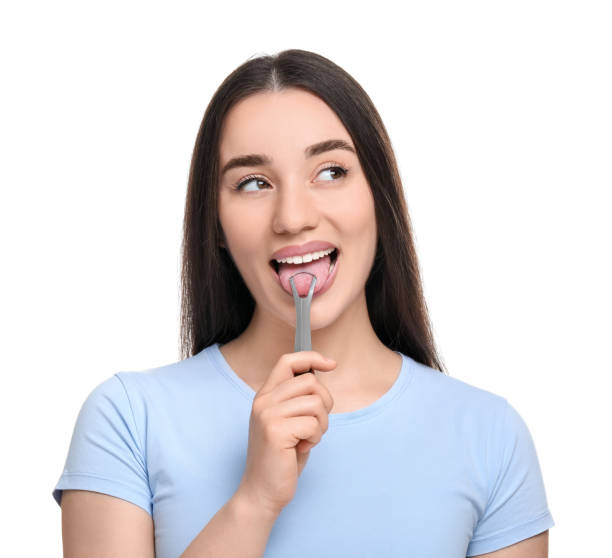
Good oral hygiene is more than just brushing your teeth. While most people focus on keeping their teeth clean, the tongue is often overlooked despite being one of the biggest collectors of bacteria in the mouth. The surface of the tongue provides an ideal environment for bacteria, food particles, and dead cells to accumulate, contributing to bad breath and other oral health concerns.
Tongue scraping is a simple practice designed to remove buildup on the tongue. Using a specially designed tool, the tongue is gently cleaned in a matter of seconds, helping to leave the mouth feeling fresher and cleaner. Although it may seem like a minor addition to a daily routine, growing research suggests that tongue scraping can offer several benefits for oral health, from reducing harmful bacteria to improving breath freshness.
While brushing your teeth is essential, it does not always remove the buildup that settles on the tongue. Saliva production decreases significantly during sleep, allowing bacteria to multiply overnight. As a result, many people wake up with a coated tongue and stale breath.
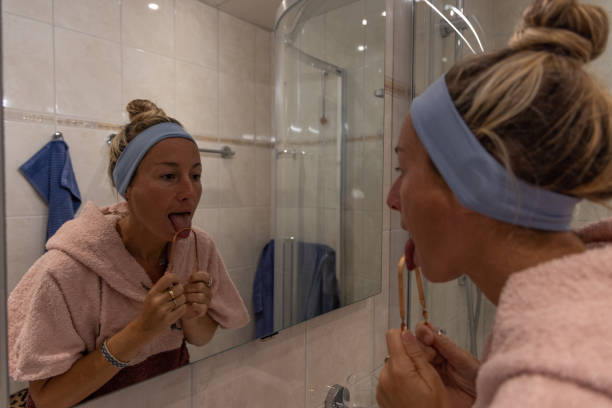
Photo: Unsplash Images
Research published in the Archives of Oral Biology found that tongue scrapers are more effective than toothbrushes at reducing bacterial buildup on the tongue, particularly in the back region where odour-causing bacteria are most likely to thrive.
The Benefits of Tongue Scraping
Reduces Harmful Bacteria
One of the most significant benefits of tongue scraping is its ability to reduce harmful bacteria in the mouth. A clinical study published on PubMed found that using a tongue scraper twice daily for just seven days significantly reduced levels of certain bacteria commonly associated with tooth decay and bad breath.
The study also reported a noticeable reduction in oral malodour, suggesting that tongue scraping can help improve overall oral hygiene without damaging the healthy tissue of the tongue.
May Help Lower the Risk of Tooth Decay
The tongue acts as a reservoir for oral bacteria. When these bacteria are allowed to accumulate, they can contribute to plaque formation on the teeth. Studies suggest that reducing bacterial buildup on the tongue may lower the number of cavity-causing bacteria in saliva, which could help decrease the risk of tooth decay and gum disease.
However, tongue scraping should be viewed as a complement to, not a replacement for, regular brushing, flossing, and routine dental check-ups.
Helps Freshen Breath
Fresh breath is perhaps the most noticeable benefit of tongue scraping. Research published in the Academy of General Dentistry’s peer-reviewed journal found that tongue scrapers were significantly more effective than toothbrushes at reducing volatile sulphur compounds, the chemicals primarily responsible for bad breath.
Another controlled clinical study involving 60 volunteers showed that tongue scraping, when combined with regular oral hygiene practices, significantly reduced morning breath odour.
May Improve Your Sense of Taste
A clean tongue may also help improve taste perception. When the tongue is coated with debris and bacteria, the taste buds can become partially blocked, making flavours seem less intense.
By removing this coating, tongue scraping may allow taste buds to function more effectively and support the activity of saliva enzymes involved in breaking down food. While promising, this benefit has not been studied as extensively as its effects on breath freshness.
Supports Overall Oral Health
Maintaining a clean tongue contributes to a healthier oral environment by helping to control bacterial growth and support the balance of the oral microbiome.
Although researchers continue to explore the relationship between oral bacteria and broader health conditions, good oral hygiene remains an important part of reducing the risk of infections and maintaining overall well-being.
Keeps Your Tongue Looking Healthier
A white or coated tongue is often caused by the accumulation of bacteria, food debris, and dead cells. Regular tongue scraping helps remove this buildup, restoring the tongue’s natural pink appearance and giving the mouth a cleaner, healthier look.
Digestion begins in the mouth. Saliva contains enzymes that start breaking down food before it reaches the stomach. Some researchers believe that maintaining a cleaner oral environment may support this process by reducing the number of unwanted bacteria entering the digestive system.
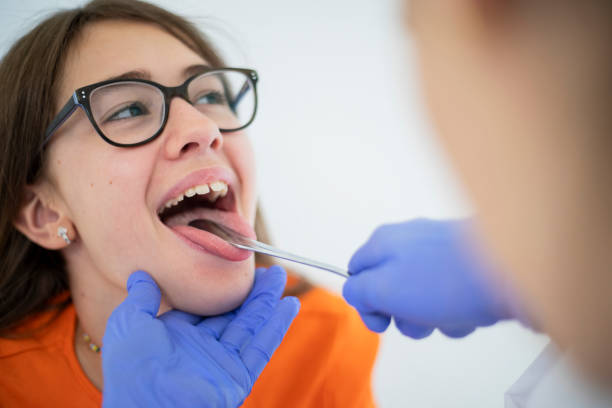
Photo: Getty Image
Some researchers have explored a possible link between oral health and digestive health, though more research is needed to understand whether tongue scraping directly affects gut health.
A Simple Habit Worth Adding to Your Routine
Tongue scraping takes less than a minute, requires minimal effort, and can easily be added to your daily oral care routine. Using a tongue scraper after brushing your teeth each morning can help remove bacteria that accumulate overnight, leaving your mouth feeling cleaner and your breath noticeably fresher.
While it is not a substitute for brushing, flossing, or regular dental visits, tongue scraping is a simple habit that can enhance your oral hygiene routine and provide benefits such as reducing tongue coating, lowering bacterial buildup, and supporting overall oral hygiene


Known for supporting skin, hair, nails, bones, joints, and muscles, collagen has emerged as a widely discussed nutrient in modern wellness. The body naturally produces this structural protein, which is essential for maintaining the body’s tissue strength and flexibility. However, the production of collagen decreases with age and continuous exposure to factors such as UV radiation and pollution and this increases the need for nutritional support. Food remains an effective way to support natural collagen synthesis, even though supplements, particularly hydrolyzed collagen, are popular. The amino acids and nutrients required to efficiently build collagen are found in a varied diet high in protein, vitamin C, zinc, copper, and sulphur.
Understanding how collagen works and how diet supports, helps us follow dietitian-recommended guidelines.
Here are a few food options that will encourage collagen production.
Fish

Photo Pinterest @ Healtheir Steps
Fish is a strong dietary source that naturally produces collagen. Samantha MacLeod, a Registered Dietitian Nutritionist (RDN), says, “One study found that fish collagen is one of the most efficiently absorbed food sources of collagen.” She suggests Chilean salmon, which is rich in omega-3 fats and provides high-quality protein in the form of amino acids to support collagen production.
Other options include smaller fish, such as sardines and anchovies, which contain their connective tissues, skin, and bones; these soften during cooking, so you hardly notice you’re eating them, but they provide collagen and amino acids.
Leafy Greens
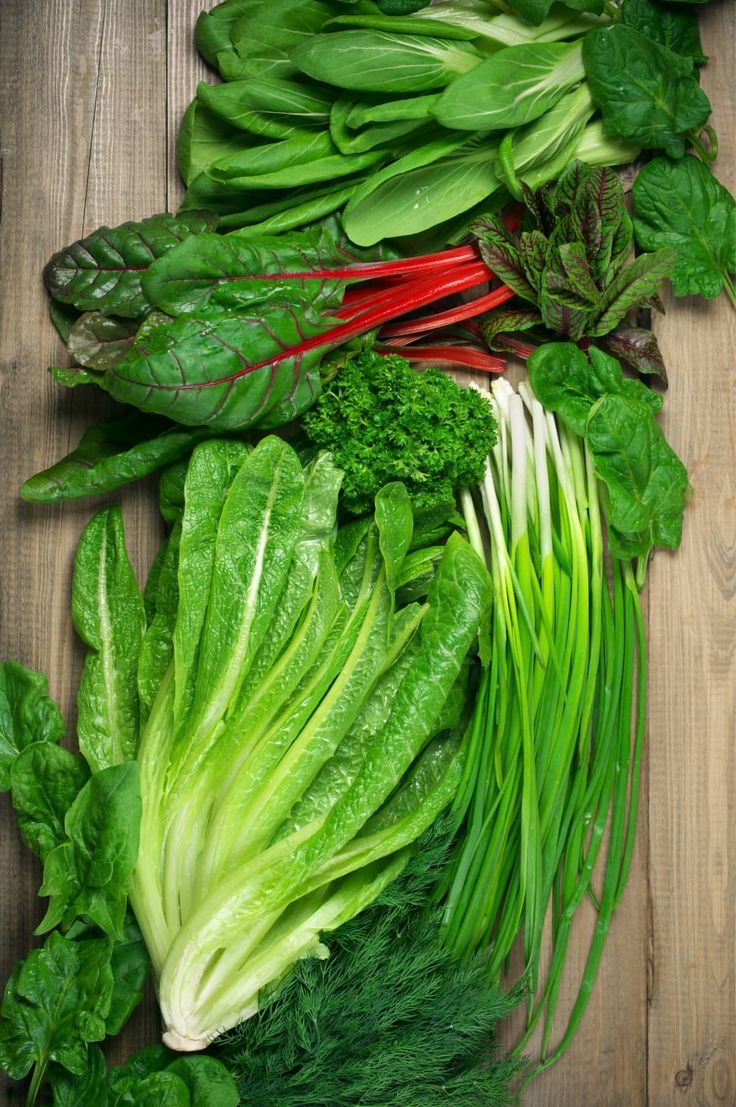
Photo Pinterest @ Jenny Ann Hinzman
Leafy greens are another rich source of Vitamin C. Plays an important role in collagen production.
Eggs
Photo Pinterest @Patrizia Cavalieri
Eggs are a strong option for supporting collagen production because they contain proline, zinc, and sulphur. Because proline and sulphur are primarily concentrated in the egg whites, Cholesterol-watchers who limit egg intake can still benefit from collagen, even though zinc is mainly in the yolk.
Berries

Photo Pinterest @Esther
Vitamin C, which builds collagen, is abundant in cranberries, blueberries, acai, raspberries, strawberries, and their berry cousins. There are many simple ways to enjoy them, including baked goods, yoghurt parfaits, savory salads, homemade jams, smoothies and smoothie bowls.
Oats
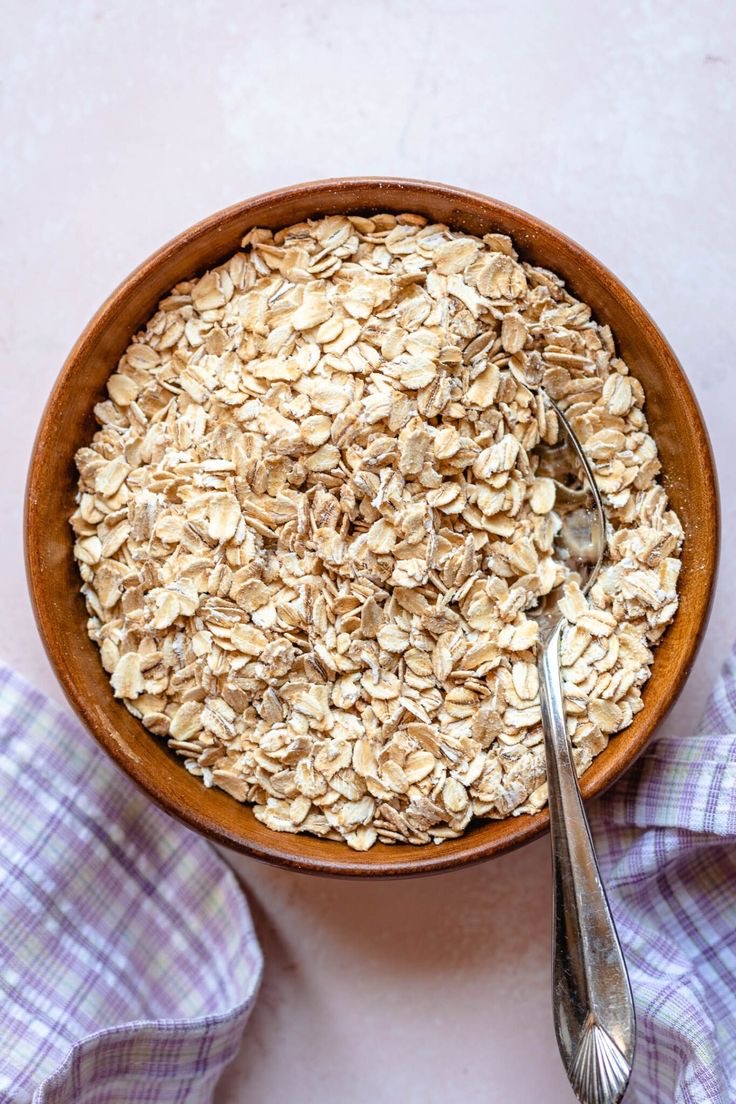
Photo Pinterest @Euzite
The benefits of grains should not be overlooked. MacLeod states that “the body produces collagen with the help of amino acids and vitamins and minerals found in oats and other 100% whole grain foods.”
Nuts and Seeds
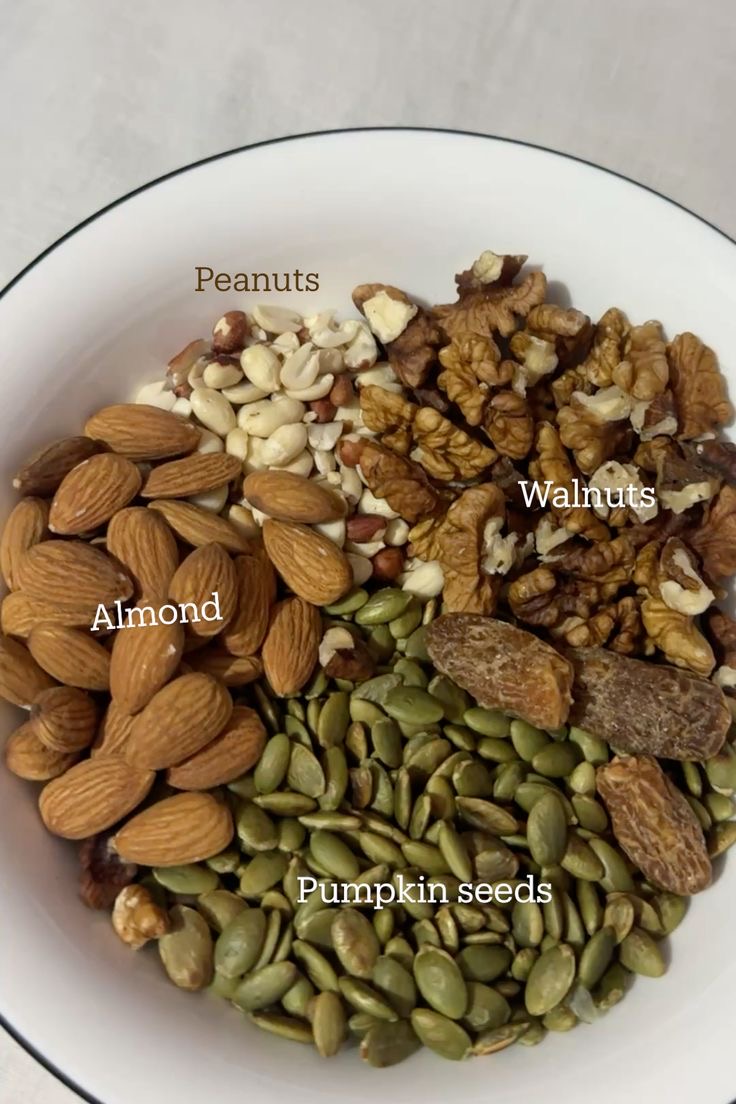
Photo Pinterest @ Anjana Magar
Zinc, a mineral which promotes the formation of collagen, is also abundant in nuts and seeds. You can eat them by the handful or use them to give vegetables like these garlicky green beans added texture and flavor.
read also: Early Signs of Prostrate Cancer

Prostate cancer can be very challenging to identify in early stages, but here are some warning signs.
One of the most prevalent cancers in men is prostate cancer. The prostate, is a tiny walnut-sized gland in the reproductive system, it aids in the production of semen, the fluid that contains sperm, and is located directly beneath the bladder.
Prostate cancer typically grows slowly, and many people don’t see any symptoms at first. This emphasizes how crucial it is to be aware of warning signs. Early detection of prostate cancer can impact both the course of treatment and the patient’s prognosis.
Urinary difficulties are among the most common early signs of prostate cancer. Because the prostate is located close to the urethra, the tube that carries urine out of the body, any enlargement or change in the prostate can put pressure on the urethra. This pressure can interfere with normal urination and lead to various urinary problems.
Cancer is not always indicated by these urinary symptoms.They may also be brought on by other issues with the prostate, like an enlarged prostate.
Regular Urination
Urinating more frequently than normal may also be an indication. Because it frequently happens at night while you’re sleeping, this frequent urination can be annoying. Your prostate may be interfering with your bladder if you wake up multiple times a night to use the restroom.
Weak Stream of Urine
It’s possible that your urine stream is weaker or slower than usual.As you try to empty your bladder, it might even stop and restart by itself.
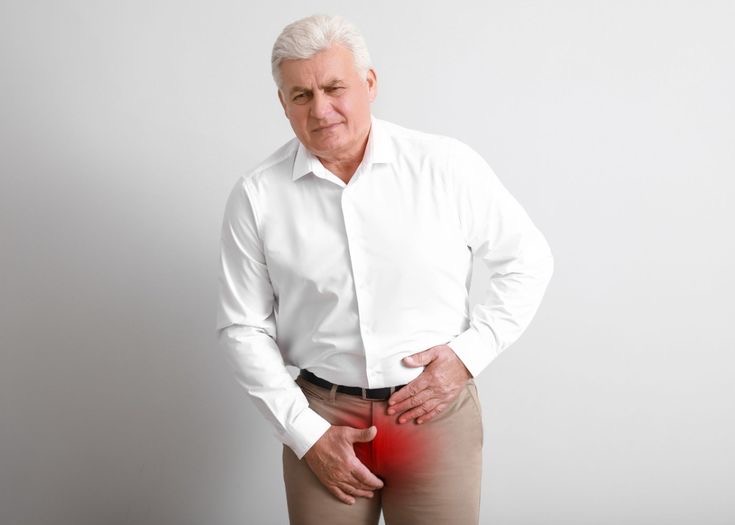
Signs of prostate cancer — Pinterest @Paanienewsgh
Blood in Semen or Urine
Prostate cancer can cause blood to appear in your urine or semen. Blood can have a bright red or brownish color. Don’t ignore blood, even if you only see it once. Prostate cancer or other major health issues may be indicated by blood.
Difficulty in urinating
You might have the urge to urinate but find it difficult to start the stream.Additionally, you might notice that you need to exert yourself to urinate. Even right after urinating, some people feel as though they haven’t completely emptied their bladder.
Sexual Dysfunction
Prostate cancer patients may experience changes in their sexual well-being. Erectile dysfunction (ED), or difficulty achieving or sustaining an erection, is one prevalent problem. Reduced semen production or pain during ejaculation are additional indicators.
Pain in the Bones
Prostate cancer typically spreads to the bones if it metastasizes. Deep pain in your legs, hips, back, or ribs may result from this.The pain may not go away with standard treatment or may worsen over time.
Pain in the Pelvis
Prostate cancer may be indicated by lower back, hip, or pelvic pain.This kind of pain may feel like a dull ache or pressure and usually doesn’t go away.

Signs of prostate cancer —Pinterest @Samuelne Gyori
When to Consult a Medical Professional
It is important that you see the doctor, if you experience any of the warning signs, such as difficulty urinating or blood in your urine. Even though these symptoms don’t always indicate cancer, it’s still advisable to get checked out.
don’t miss out: Fibermaxxing—How Experts Say It Supports Digestive Health Wellness


Mahershala Ali Plays a Devout Hitman in First “Your Mother Your Mother Your Mother” Teaser

5 Beauty Products You Need for Summer

Britney Spears’ Sons Make Runway Debut at Paris Fashion Week


-

 Top Xclusiv5 months ago
After Being Mistreated by Her Family, Britney Spears Claims She is “incredibly lucky to even be alive.”
-

 Top Xclusiv2 months ago
Kylie Jenner Sued by Second Housekeeper Over Alleged Abuse Claims.
-

 Top Xclusiv3 months ago
Lady Gaga and Doechii Collaborate on “Runway” for “The Devil Wears Prada 2”
-

 Movies5 months ago
The Devil Wears Prada 2 Movie Trailer Review
-

 Top Xclusiv1 month ago
Kendall Jenner and Jacob Elordi Join Kylie Jenner and Timothée Chalamet for a Double Date
-

 Top Xclusiv5 months ago
Stefon Diggs Enters Not Guilty Plea in Assault Case
-

 Top Xclusiv3 months ago
Lola Young Opened Up About Drug Recovery Six Months After Collapse
-

 Top Xclusiv2 months ago
Are Kendall Jenner and Jacob Elordi Dating? What We Know So Far After Coachella