
Beauty
Are Eyebrow Transplants the Answer to Fuller Brows?

Full, well-defined eyebrows have become a defining feature of modern beauty. After years of ultra-thin arches and over-plucking, many people are now looking for lasting ways to restore shape and volume. While brow lamination, microblading, and makeup offer temporary enhancement, eyebrow transplantation is emerging as a permanent alternative.
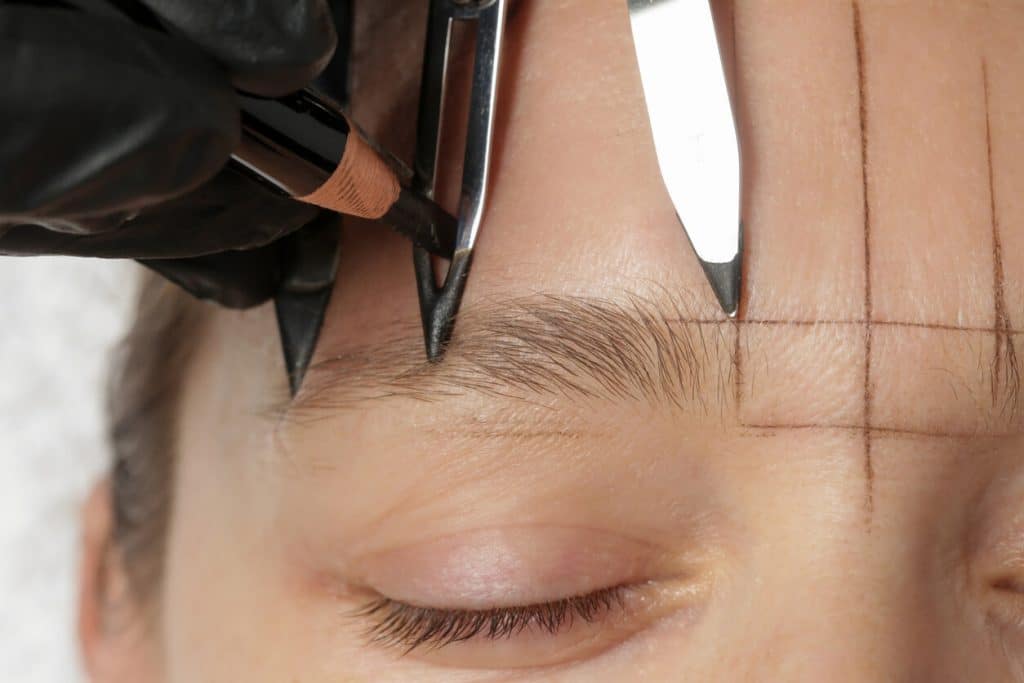
Photo: istock
Rather than relying on cosmetic techniques to mimic fullness, an eyebrow transplant involves implanting healthy hair follicles into the brow area to create natural density and encourage long-term hair growth. During the procedure, healthy hair follicles are taken from the back of the scalp and meticulously implanted into the brow area to create a fuller, more defined shape.
Precision is critical. Each follicle must be placed at a specific angle and direction to mimic natural eyebrow growth. The objective is not simply more hair but brows that complement an individual’s facial structure and look authentic.
The Appeal: Permanence
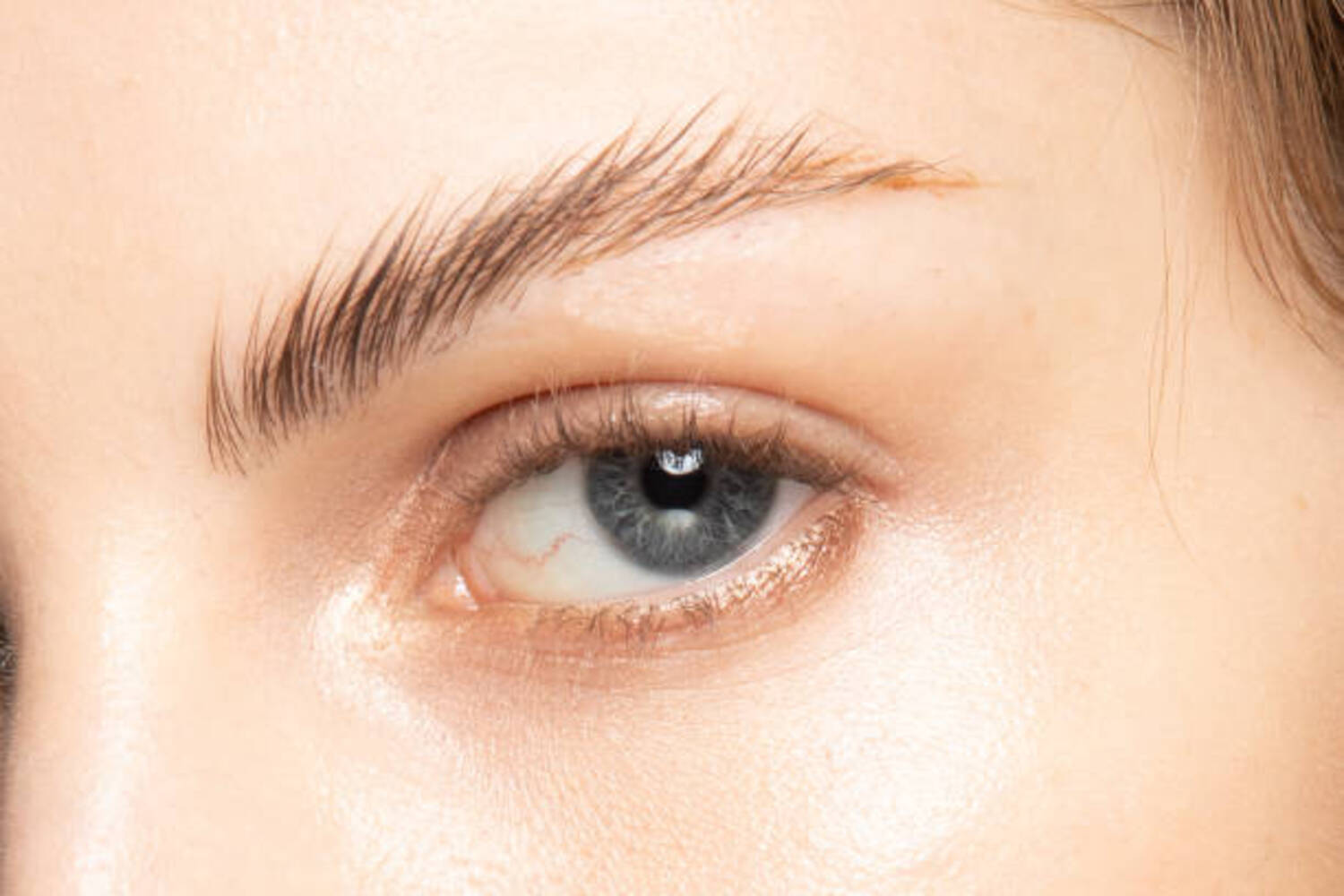
photo: Getty images
The primary draw is longevity. Once transplanted follicles establish, they continue producing hair naturally. That means fuller brows without daily pencils, powders, or scheduled touch-ups.
It is not an instant result. One aspect of the recovery journey that often surprises patients is the initial shedding of transplanted hairs, which occurs before the follicles begin producing new growth. There is no instant transformation. Mild redness, swelling and small scabs are common during the early healing period and typically subside within the first week or two. The brows slowly take shape as new hairs begin to grow, with noticeable changes appearing over the following months and the full result typically revealed within a year.
The Maintenance
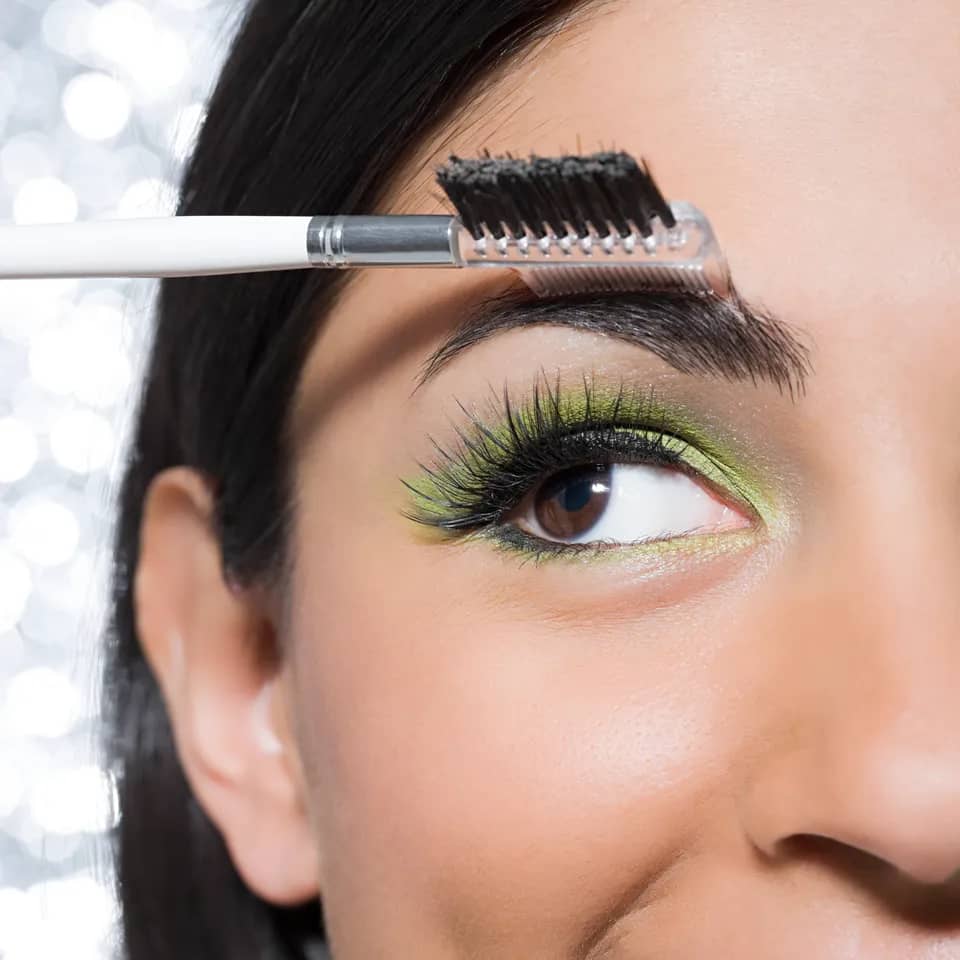
Photo: Getty images
The procedure may offer permanent results, but it does not eliminate maintenance altogether. Hair transferred from the scalp tends to grow more quickly than natural eyebrow hair, making occasional grooming necessary. As the hairs continue to grow, periodic trimming becomes part of the maintenance routine, which helps to preserve a well-defined and polished appearance. For many, that upkeep is a small trade-off for lasting density.
Who It’s For
Suitability depends on hair type, skin, medical history, and aesthetic goals. Ideal candidates include those affected by over-plucking, genetics, scarring, or age-related thinning who want a natural, long-term solution.
As with any cosmetic procedure, results hinge on the practitioner. An experienced specialist will assess facial proportions and hair characteristics to create balanced, natural-looking brows rather than a one-size-fits-all shape.
Eyebrow transplants are not a quick-fix trend. They represent a shift toward restoration rather than concealment, offering real hair growth for people tired of daily filling and reshaping.
As interest in long-lasting beauty solutions continues to grow, eyebrow transplantation is becoming an increasingly attractive option for those looking to restore shape and density. While the results are not immediate, the reward is a set of brows that blend naturally with the face and significantly reducing the need for daily brow makeup while still requiring occasional grooming.
Read Next Post: Lamar Odom Explains His Comments About Marrying Khloé Kardashian for Fame
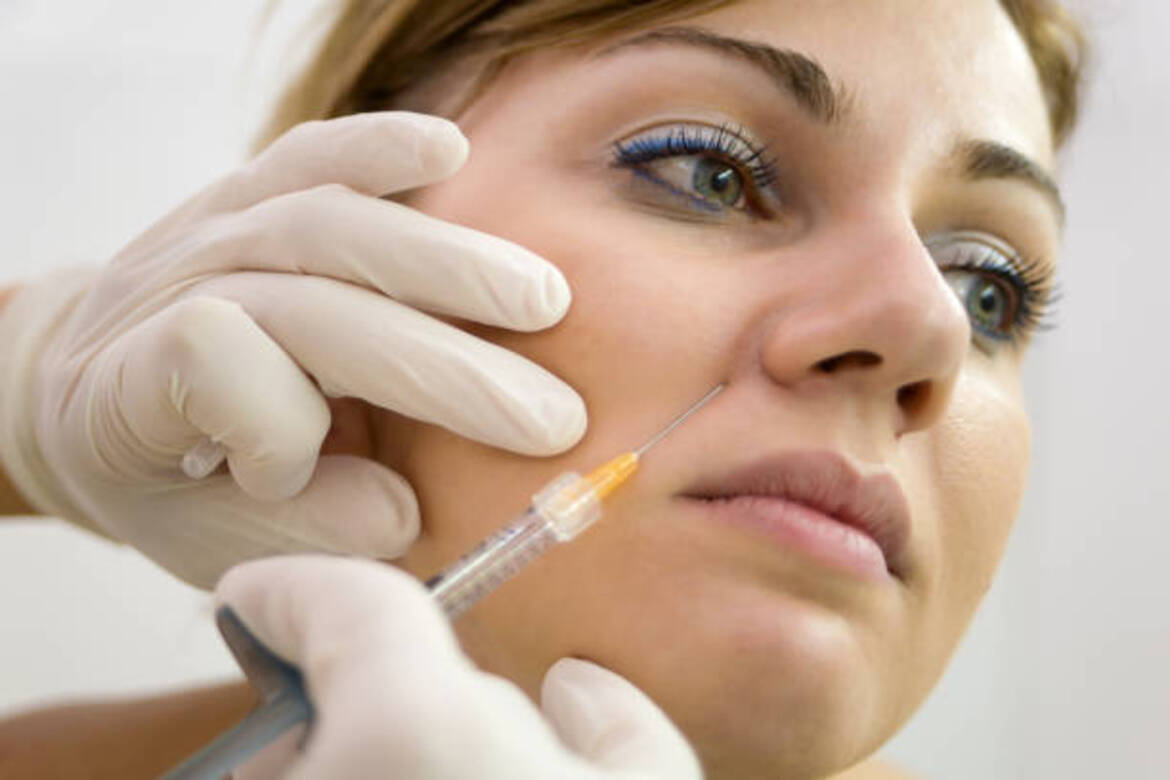
Skin boosters are injectable treatments designed to improve skin hydration and texture without adding significant volume to the face. Unlike traditional fillers, which add volume to areas such as the cheeks and lips, these injectables focus on improving skin quality.
How Skin Boosters Work
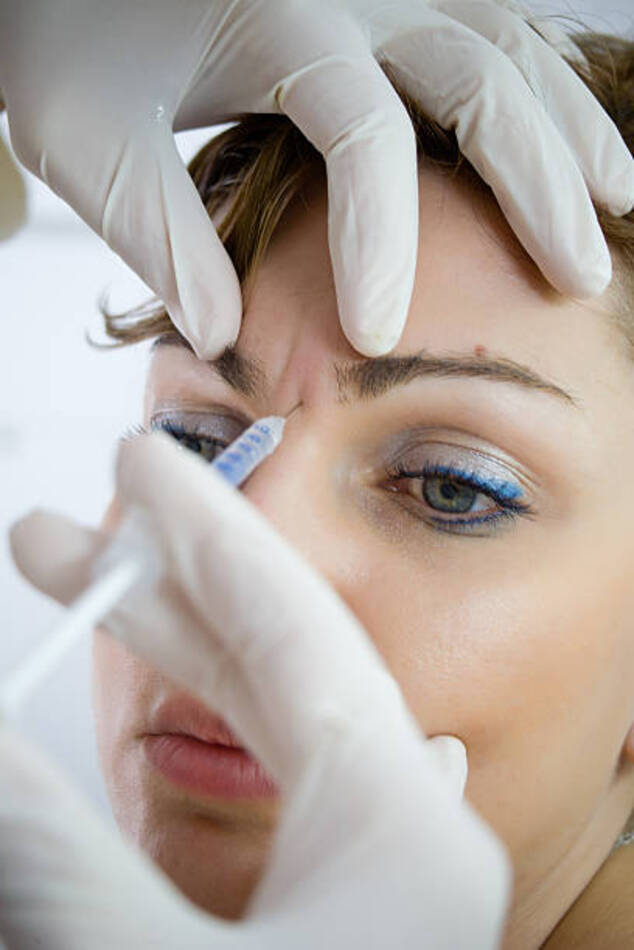
Photo: Getty images
Many skin boosters contain hyaluronic acid, a substance that helps the skin retain moisture. Injected into the upper layers of the skin, it attracts water, helping the complexion look plumper and more radiant.
Some formulations may also support collagen and elastin production, although results vary depending on the product and individual. Skin boosters are not designed to lift sagging skin or address every concern, including deep scars and pronounced pigmentation.
How Long Do Results Last?
Results can last up to six months, depending on the product and the individual’s response. Skin may appear smoother and better hydrated, but the treatment does not guarantee flawless results. Repeat sessions may be recommended to maintain the effect.
What Does the Treatment Involve?
The skin is cleaned before the practitioner injects small amounts of the product into the treatment area. A session typically takes 15 to 30 minutes, and some providers use a numbing cream to reduce discomfort. Depending on the product, treatment may be available for the face, neck, décolletage and hands.
Redness and swelling usually subside within a day or two, while bruising may take a week or longer to fade.
Are Skin Boosters Safe?
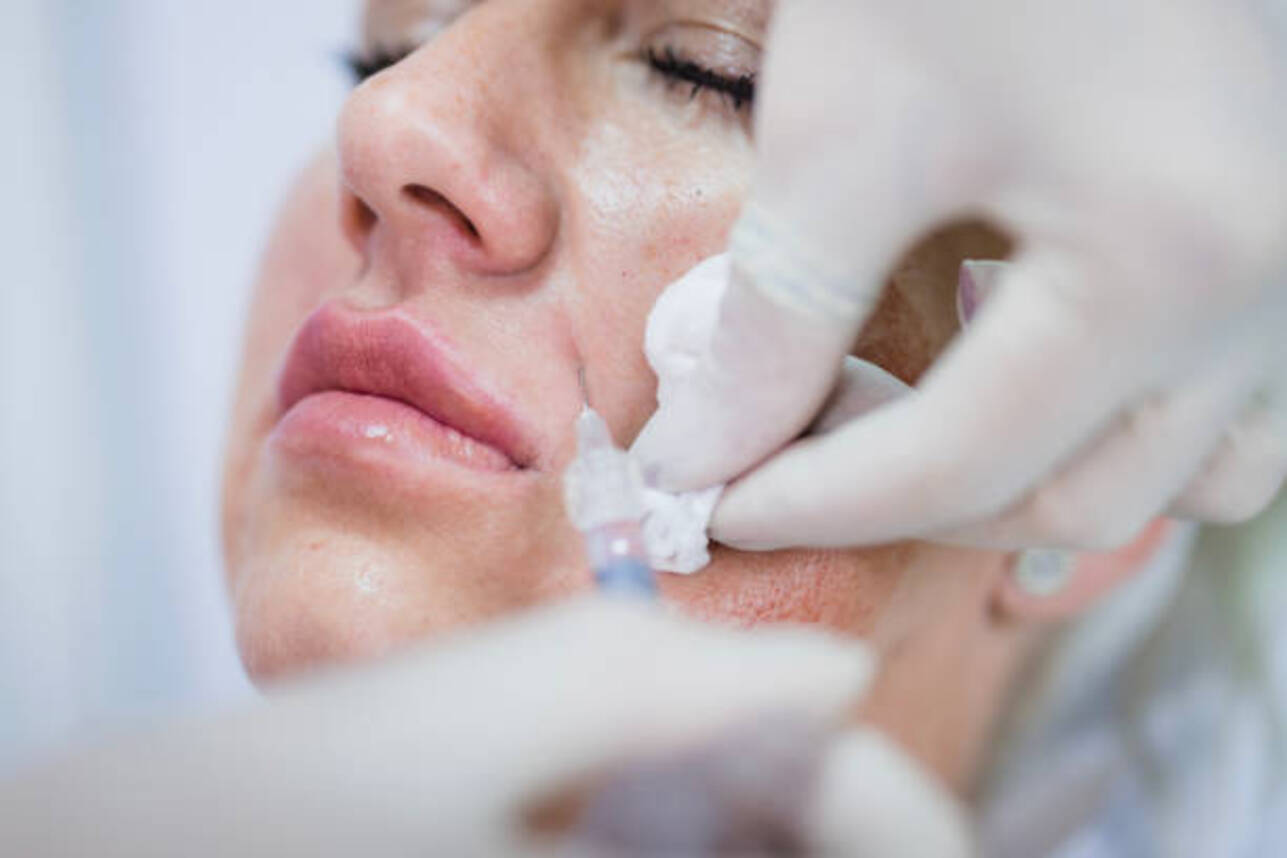
Photo: Getty images
Although generally associated with temporary side effects, skin boosters carry risks. These include allergic reactions and, rarely, vascular occlusion, a serious complication in which an injected substance blocks a blood vessel.
Before booking a session, patients should check the practitioner’s credentials and ask about the specific product being injected. It is also important to check that the injectable is authorised for its intended use in the country where treatment is offered.
Is It Worth Considering?
For those seeking a subtle improvement in hydration and texture, skin boosters offer another option in aesthetic skincare. However, the cost, maintenance required and possibility of complications deserve consideration before booking a session.
Skin boosters may improve hydration and texture, but the cost of repeat treatments and potential side effects are worth weighing before deciding to proceed.
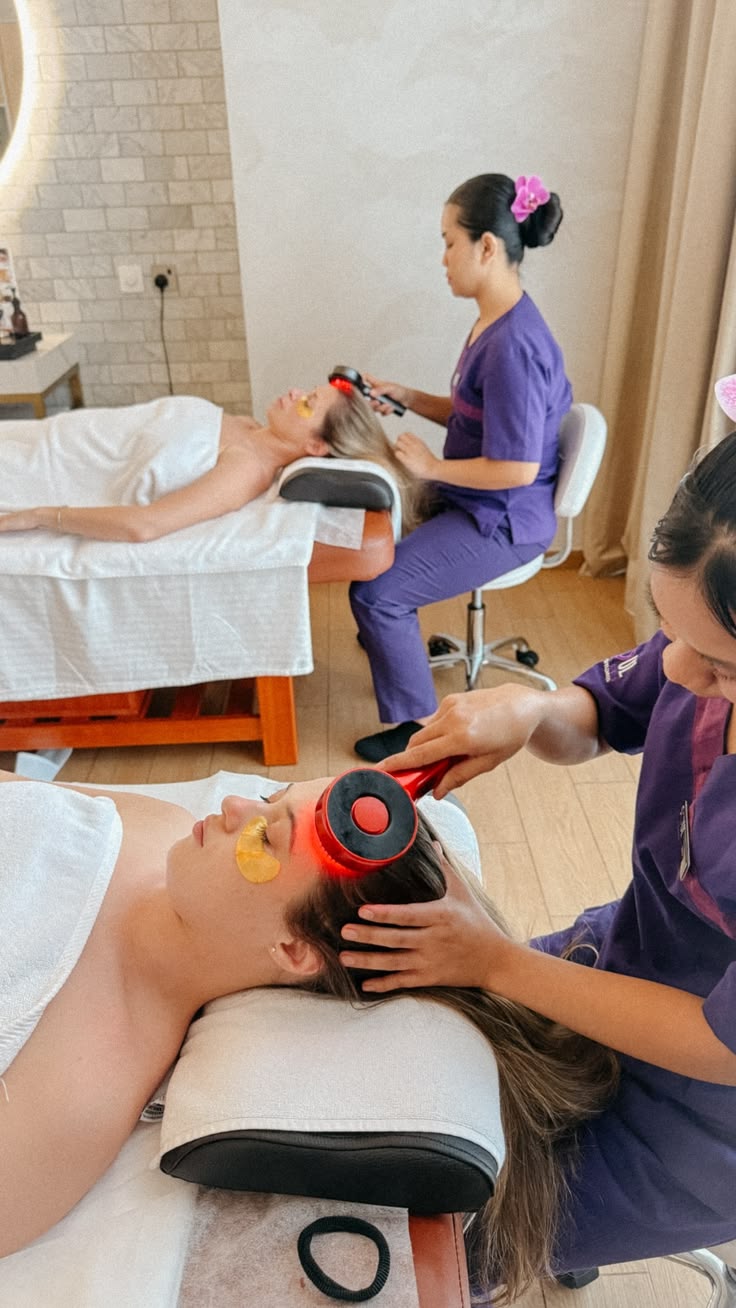
Korean beauty has long been associated with carefully layered skincare routines, but the same attention to detail is now moving to the scalp. In Dubai, Korean-inspired scalp detox treatments are gaining attention as more people look beyond their hair and begin focusing on the condition of the scalp.
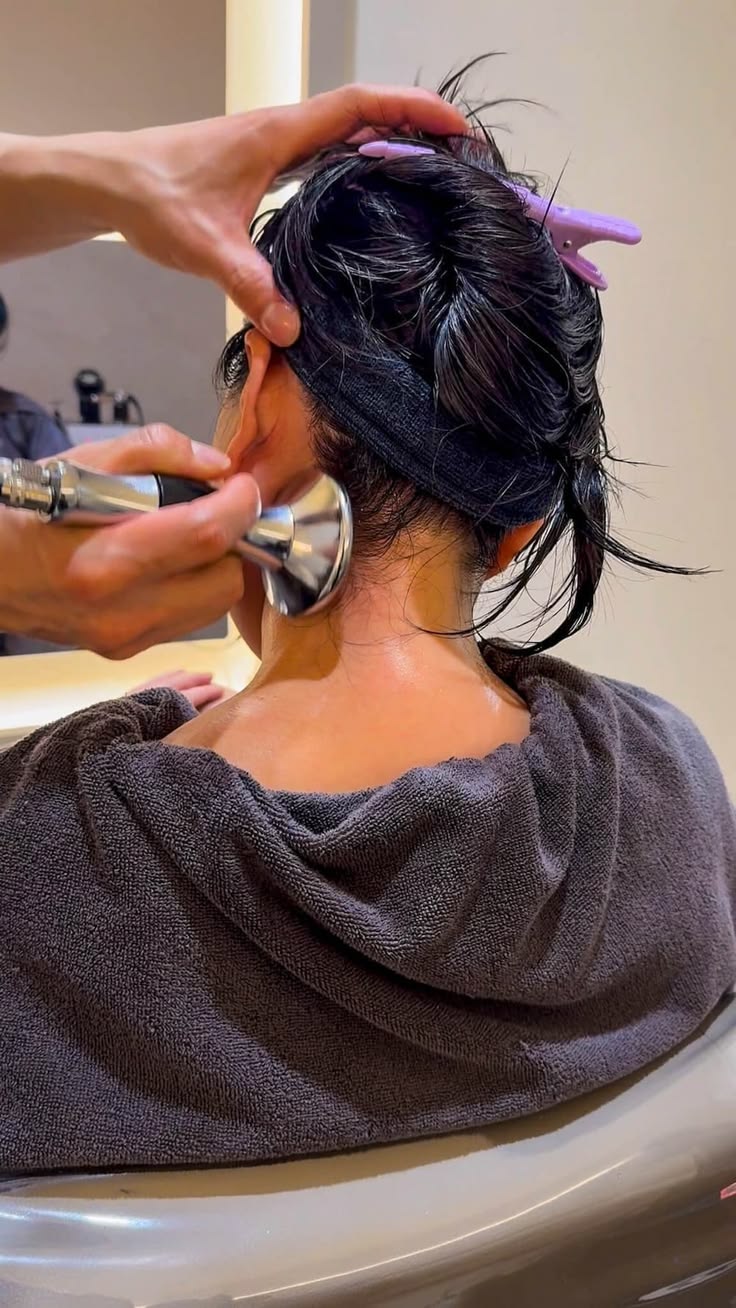
Photo: Pinterest/@Laura sisemore
The approach treats the scalp as an extension of skincare, with treatments centred on cleansing, hydration, circulation and targeted care rather than simply washing and conditioning the hair. This is particularly relevant in Dubai, where high temperatures, humidity and regular use of styling products can contribute to oil buildup, dryness and blocked follicles.
At Glazed Aesthetics, Dubai’s Korean-inspired skin and scalp lab, this approach forms the basis of its scalp treatments. Founder Grainne O’Rourke became interested in Korean trichology after noticing what she saw as a lack of awareness around scalp health in the Middle East. She later travelled to South Korea to learn from Korean specialists and completed a Korean trichology diploma in Seoul.
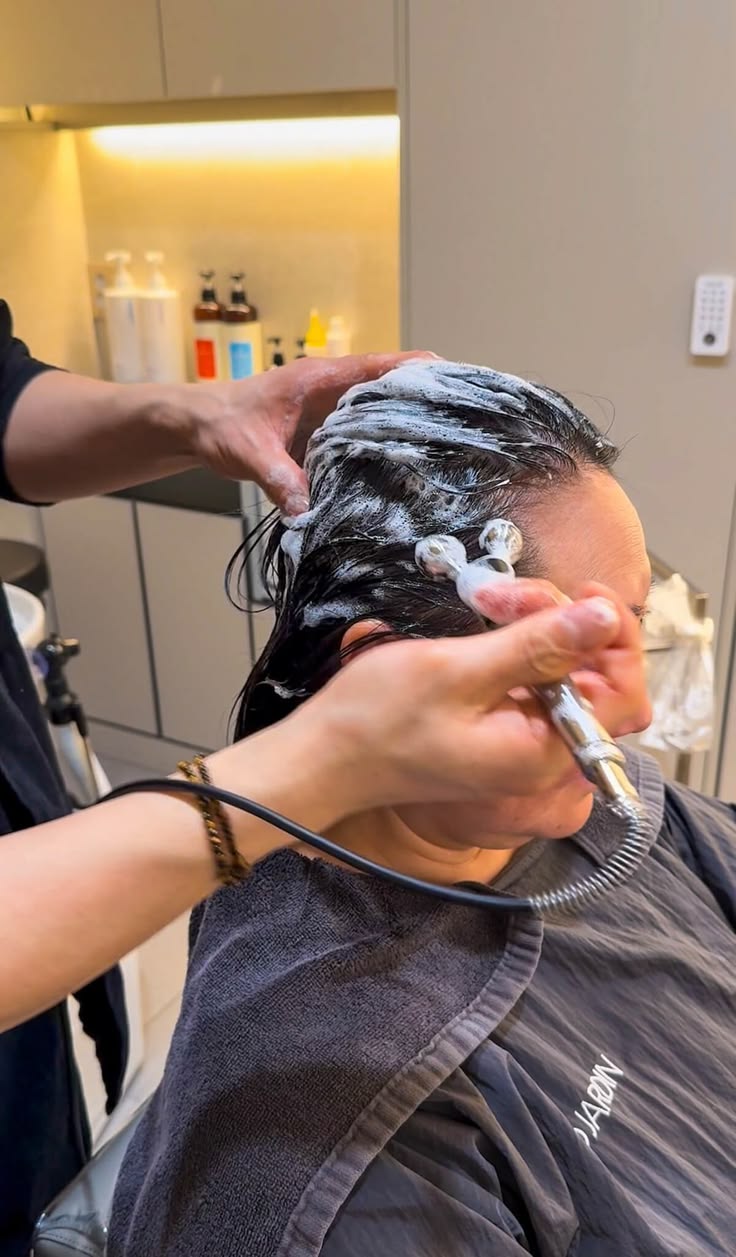
Photo: Pinterest/@Travelstained
A typical scalp detox begins with a detailed analysis using specialised imaging technology. The assessment looks at factors including dryness, oiliness, sensitivity, inflammation, hair diameter and density. The results are then used to determine which treatments and products are suitable for the individual.
The treatment can include scalp scaling to remove excess oil, dead skin and product buildup, followed by steaming, deep cleansing and targeted serums. LED light therapy may also be used alongside scalp massage and lymphatic drainage. Another treatment offered at the lab is the Korean Dohi Spa Carboxy Scalp Nourishing Treatment, which focuses on hydration and oxygenation.
Treatments are adjusted according to the condition of each client’s scalp. A dry scalp may require a more hydrating approach, while an oily scalp may call for deeper cleansing. Serum choices and technology are also selected according to the individual’s needs.
Dubai’s climate can also affect scalp health, with heat and humidity contributing to concerns such as oil buildup and dehydration
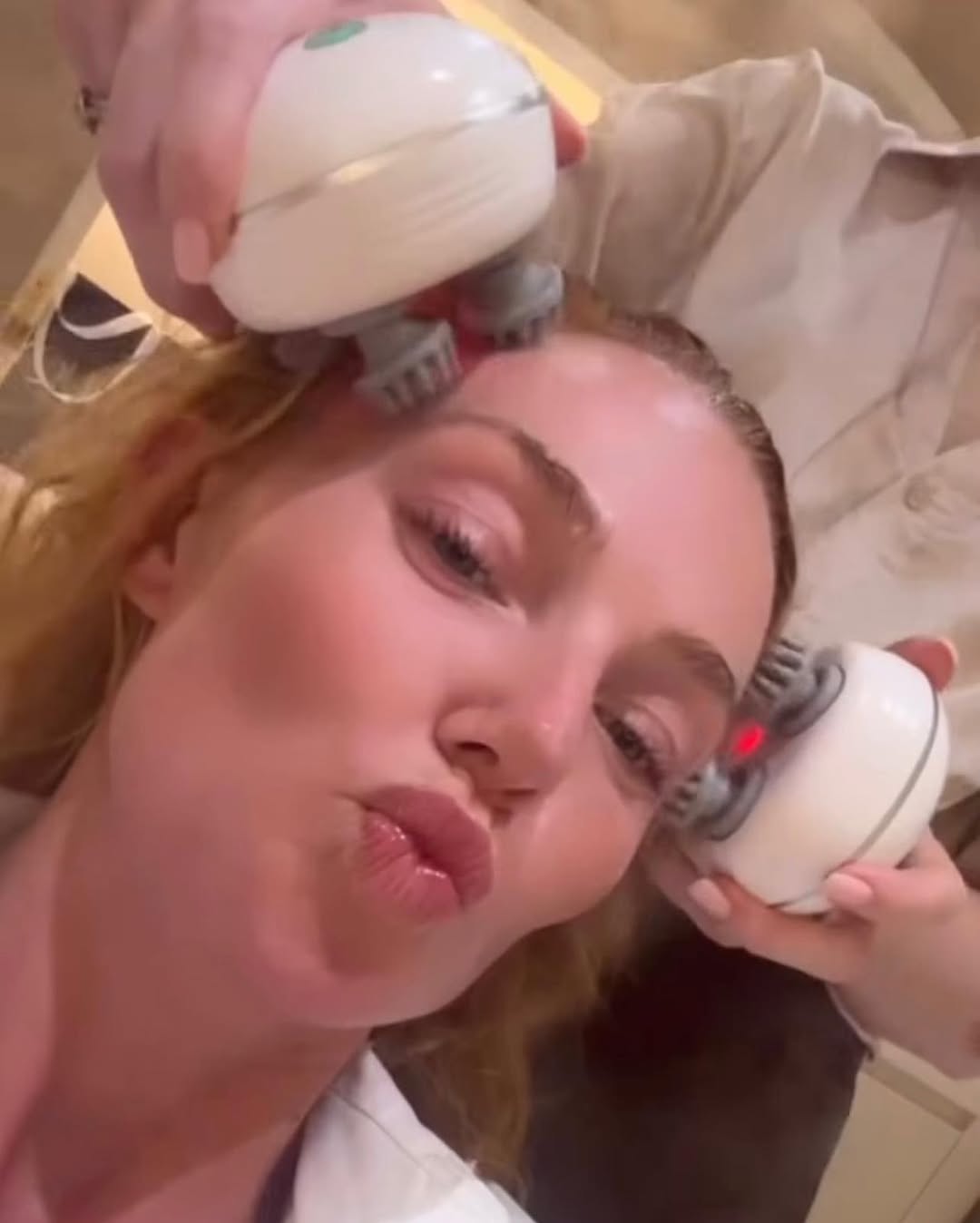
Photo: Instagram/@ glazedaesthetics
The Korean influence also reflects a wider shift in how hair care is approached. Rather than concentrating only on the appearance of the hair, scalp-focused treatments place greater attention on the condition of the skin at the root. In Dubai, that change is helping bring scalp health further into the beauty conversation.
Read Next Post: Emirati Pop Artist Alya Makes Her Debut With “Lemonade
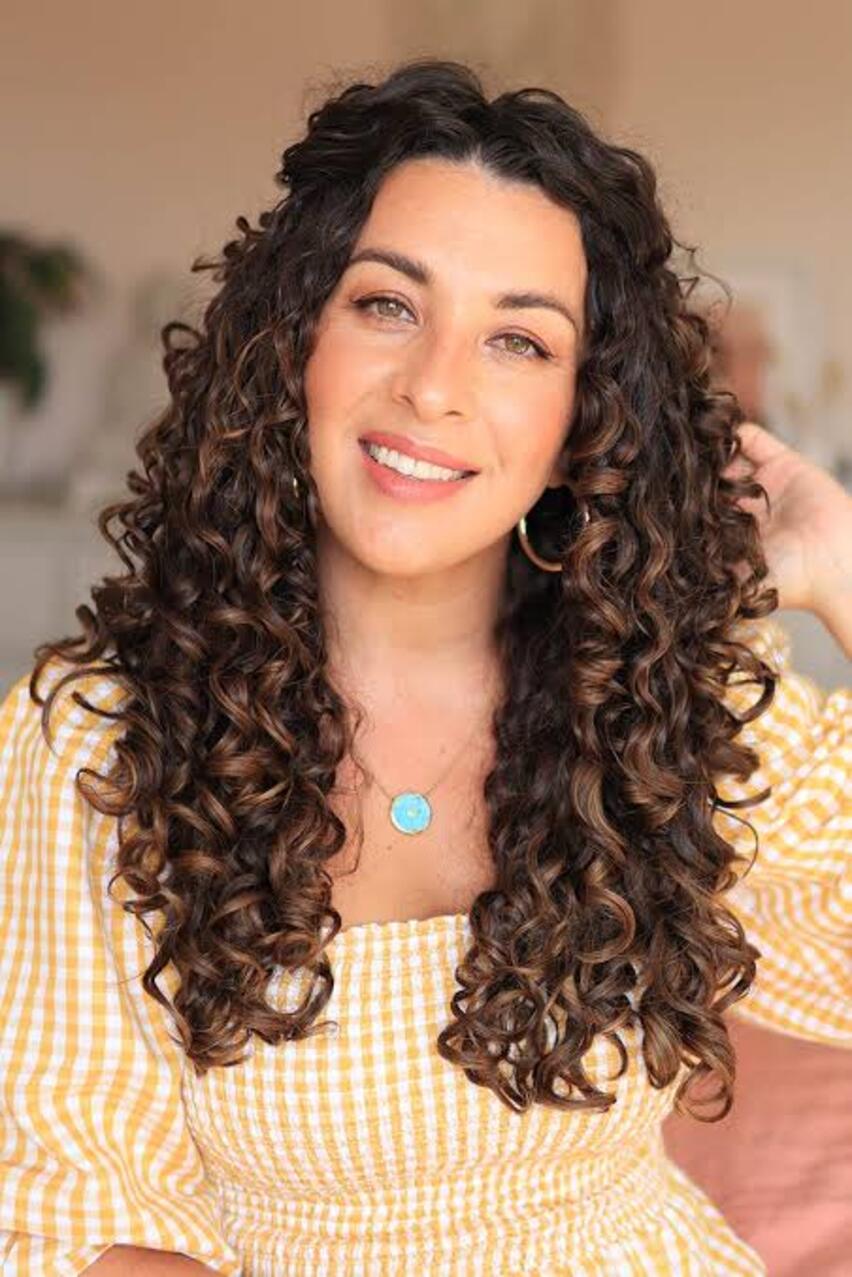
Dubai is set to welcome what organisers describe as the UAE’s first family-focused festival dedicated entirely to curly, coily, and kinky hair this October. The Dubai Curl Festival will take place on October 10 at Cornelia’s Craft Kitchen in Dubai Internet City, bringing together families, beauty brands, hair professionals, and the wider natural-hair community for a day centred on texture, styling, and hair care.
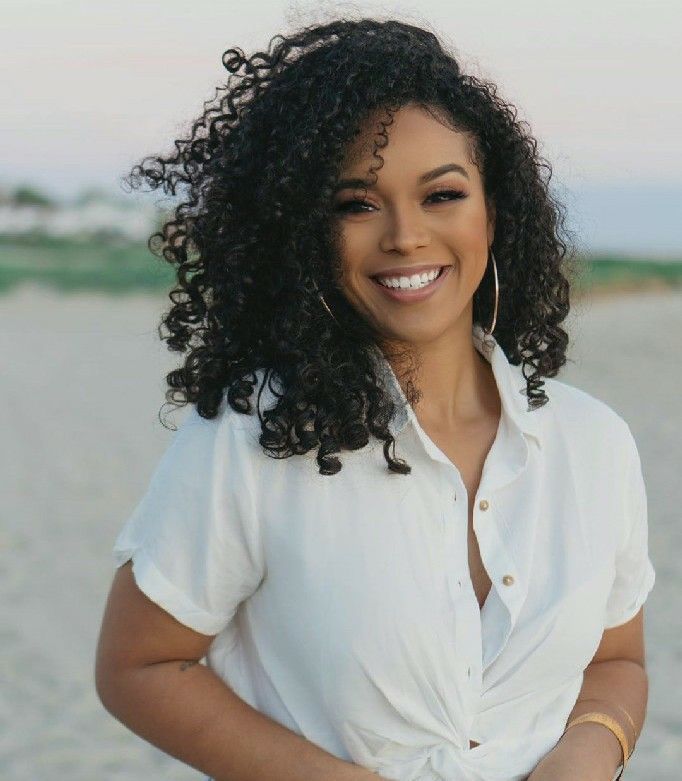
Photo: Getty images
The one-day event, running from 10am to 6pm, is organised by Oh My Knots, a UAE-based community-led platform created to help families navigate natural hair across curl patterns ranging from 2B to 4C. What began as an online space for sharing advice and discovering suitable products is now moving into a physical setting with a festival designed to bring that community together.
Visitors can expect brand activations featuring products for curly, coily, and kinky textures, alongside live styling demonstrations and opportunities to explore products through sampling stations.
The family focus extends to younger attendees, with activities planned specifically for children throughout the day. Each ticket also comes with a goodie bag featuring products from participating brands.
For those managing textured hair in the UAE, the festival also arrives against the backdrop of the region’s demanding climate. Heat, humidity, and hard water can influence how curls behave and how frequently certain routines need to be adjusted. Oh My Knots has built its community around addressing some of these everyday challenges.
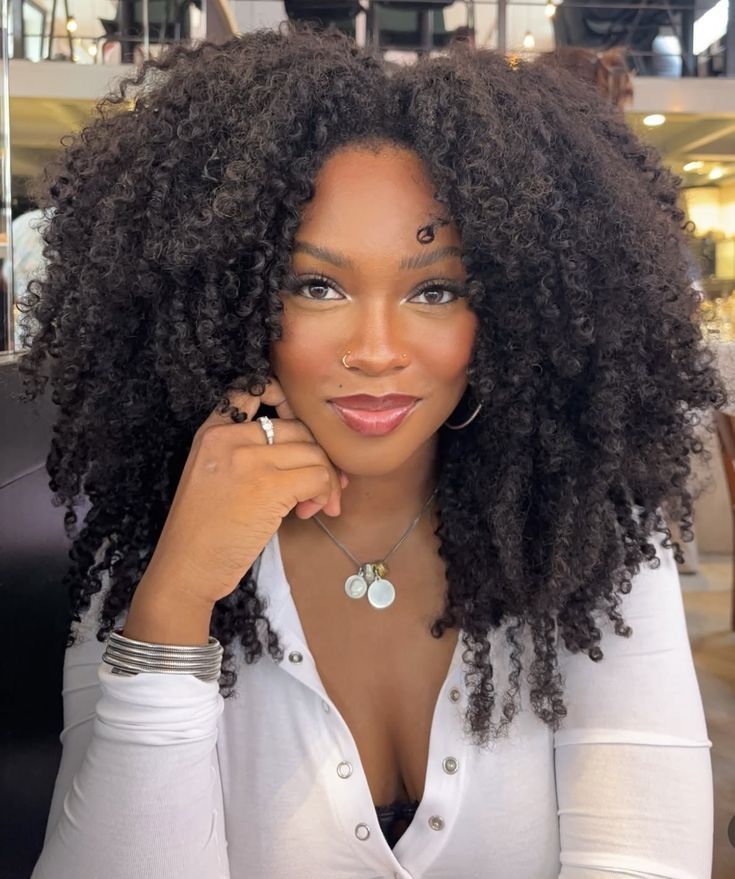
Photo: Pinterest/@Han
According to organisers, the Dubai Curl Festival is expected to become an annual event, with plans for more brand participation and a special guest in future editions. The first edition therefore offers a starting point for what could become a recurring gathering within the UAE’s growing natural-hair and beauty community.
Tickets are currently available, with limited early-bird options and family passes covering two adults and two children.
Read Next Post: Donatella Versace Launches New Brand With Revolve Group

Jenna Ortega May Take a Break From TV After Wednesday

All the Highlights From Dubai Fashion Week So Far

Who Are the Cast Members of Love Is Blind: Habibi Season 2?


-

 Celebrity news4 months ago
Lamar Odom Explains His Comments About Marrying Khloé Kardashian for Fame
-

 Top Xclusiv5 months ago
Brad Pitt and Angelina Jolie’s Eldest Son Maddox Files for an Official Name Change
-

 Top Xclusiv4 months ago
Anne Hathaway Reveals She Is Pregnant With Her Third Child
-

 Top Xclusiv4 months ago
North West and Molly Santana Announce 14-Date Kimokawaii Tour
-

 Fashion5 months ago
4 Streetwear Brands Driving Dubai’s Street Style Rise
-
 Celebrity news4 months ago
Kourtney Kardashian Reveals Her Framed ‘Travis I’m Pregnant’ Sign Still Hangs in Her Home
-

 Music5 months ago
Ariana Grande Drops Brooding New Single “Hate That I Made You Love Me”
-

 Top Xclusiv5 months ago
Pete Davidson Praises Kim Kardashian’s Resilience: ‘She’s Superhuman’