
Health
Eat these Omega 3 Superfoods to Help You Live Longer and Stronger

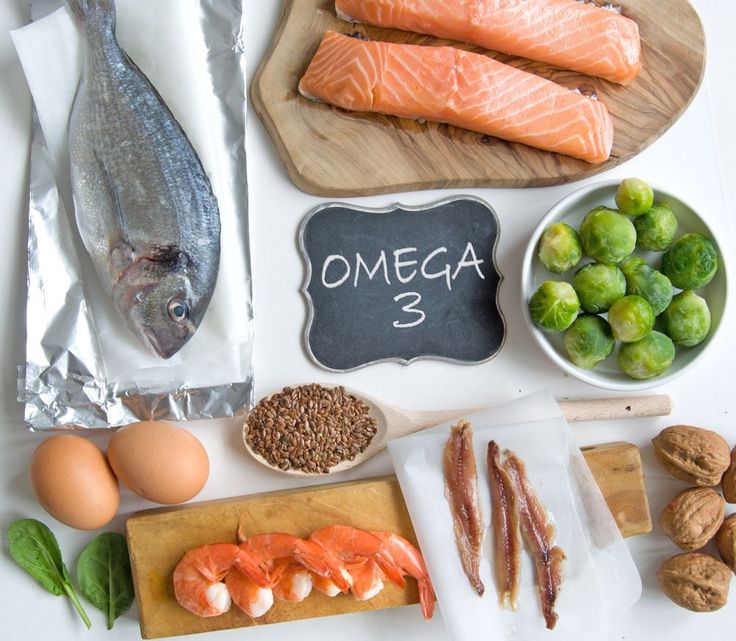
Do you want to live a longer and healthier life? It’s not just enough to look good; but to also gain confidence knowing you are living a healthy life as well.
One of the best ways to do that is to stay committed to eating Omega-3-rich foods. These contain nutrients that are essential for improving the heart, reduce inflammation and support brain function.
Here are top 3 Omega food that are accessible and affordable
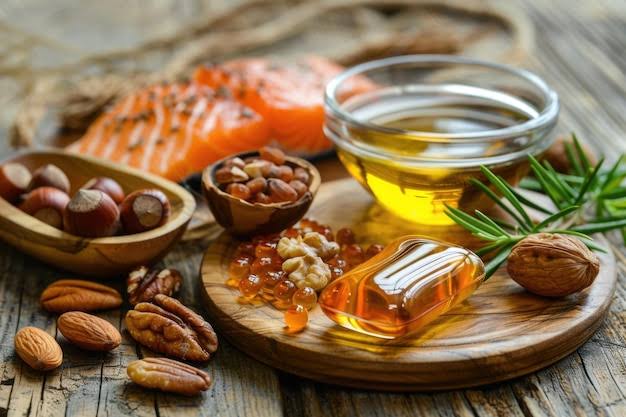
Sardines: These are small oily fish mostly packaged in a tin. They contain a high level of DHA and EPA giving support to bone density and to the overall health of the heart.
Walnuts: Walnuts have a rough brown or black shell. Encased in it is a white edible nut which is rich in Omega 3 fatty acid and antioxidants. These nutrients promote brain health and lower cholesterol.
Anchovies: These are tiny fish and similar to sardines. They are rich in Omega 3 and support overall health.
Benefits of Omega-3s
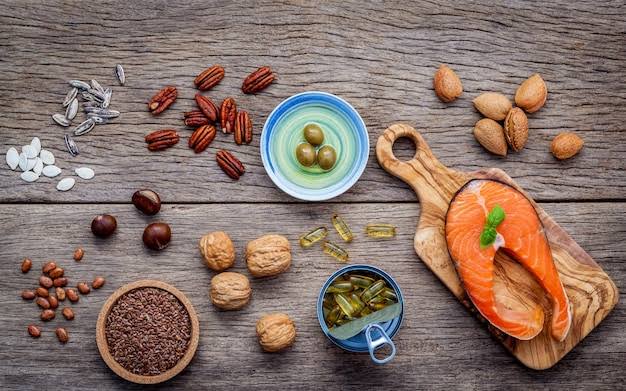
- Omega-3s help reduce inflammation which can reduce the risk of chronic diseases
- Omega-3s support brain health and function.
- Omega-3s support heart health and help lower reduces blood pressure.
Here are a few ways to incorporate these Superfoods into your diet
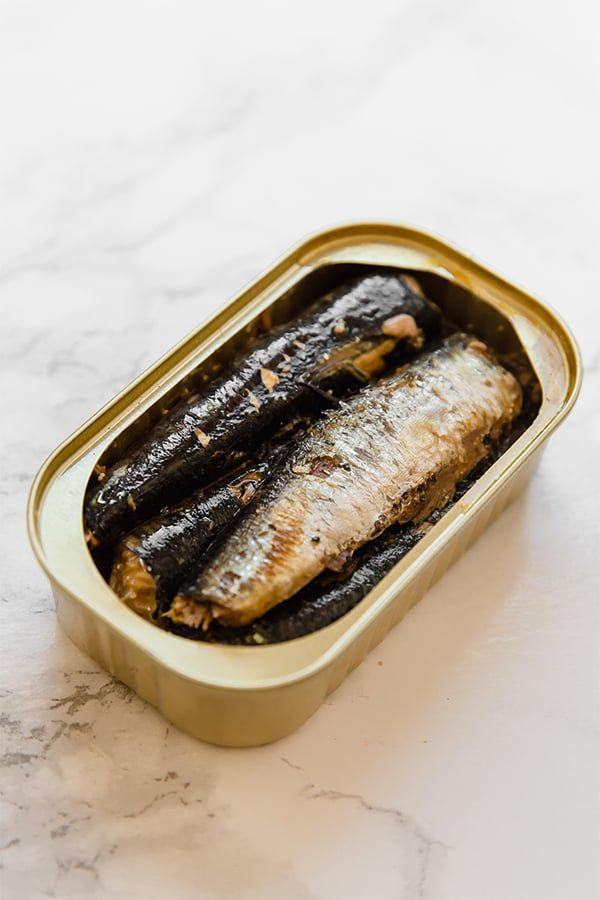
- Enjoy sardines in your sandwich or salad.
- Sprinkle walnuts on yoghurt.
- Add grilled or baked salmon to your weekly food plan.
Beyond their health benefits, Omega-3 foods add rich flavor and mouthfeel to your meals, making healthy eating feel enjoyable and exciting.



Known for supporting skin, hair, nails, bones, joints, and muscles, collagen has emerged as a widely discussed nutrient in modern wellness. The body naturally produces this structural protein, which is essential for maintaining the body’s tissue strength and flexibility. However, the production of collagen decreases with age and continuous exposure to factors such as UV radiation and pollution and this increases the need for nutritional support. Food remains an effective way to support natural collagen synthesis, even though supplements, particularly hydrolyzed collagen, are popular. The amino acids and nutrients required to efficiently build collagen are found in a varied diet high in protein, vitamin C, zinc, copper, and sulphur.
Understanding how collagen works and how diet supports, helps us follow dietitian-recommended guidelines.
Here are a few food options that will encourage collagen production.
Fish
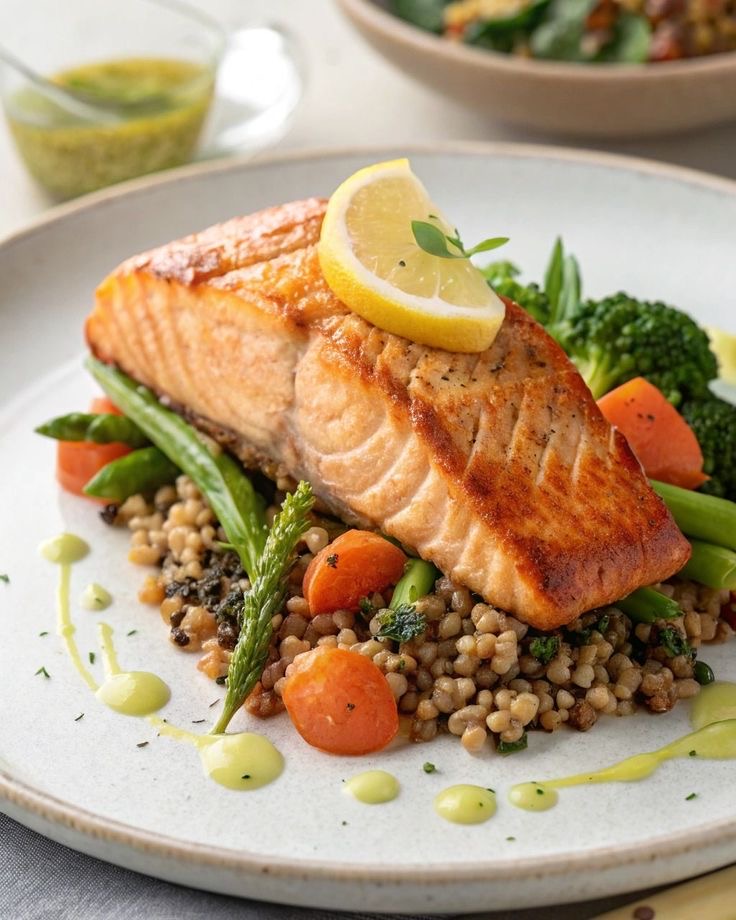
Photo Pinterest @ Healtheir Steps
Fish is a strong dietary source that naturally produces collagen. Samantha MacLeod, a Registered Dietitian Nutritionist (RDN), says, “One study found that fish collagen is one of the most efficiently absorbed food sources of collagen.” She suggests Chilean salmon, which is rich in omega-3 fats and provides high-quality protein in the form of amino acids to support collagen production.
Other options include smaller fish, such as sardines and anchovies, which contain their connective tissues, skin, and bones; these soften during cooking, so you hardly notice you’re eating them, but they provide collagen and amino acids.
Leafy Greens
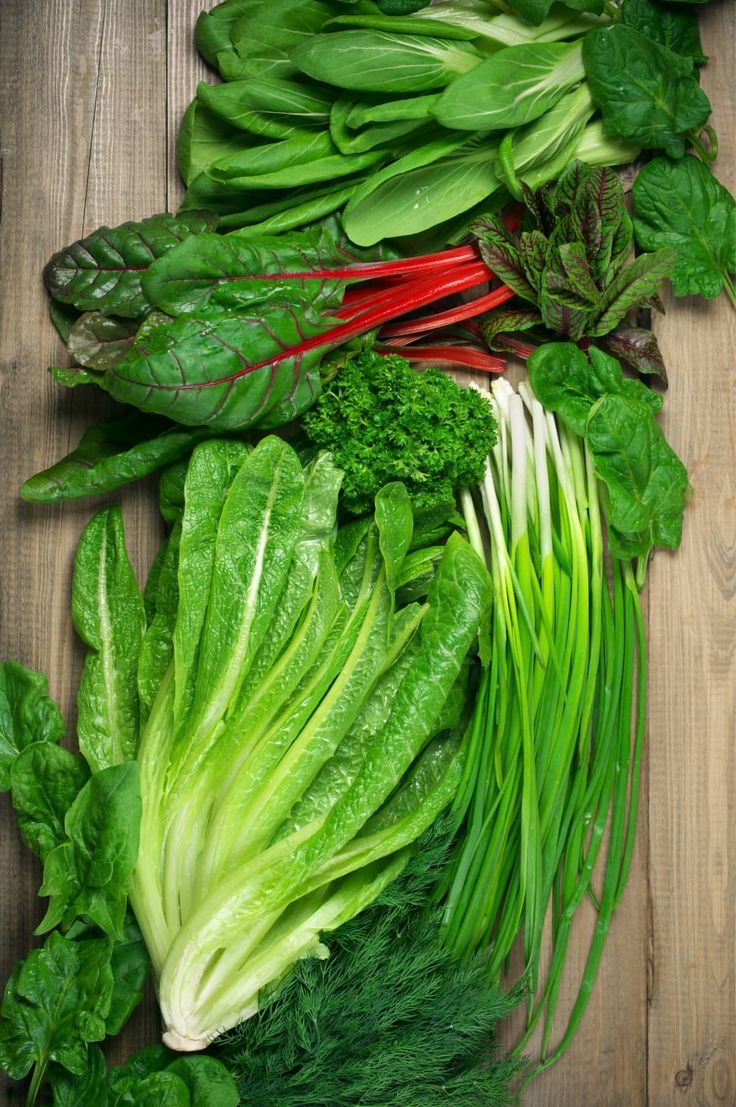
Photo Pinterest @ Jenny Ann Hinzman
Leafy greens are another rich source of Vitamin C. Plays an important role in collagen production.
Eggs
Photo Pinterest @Patrizia Cavalieri
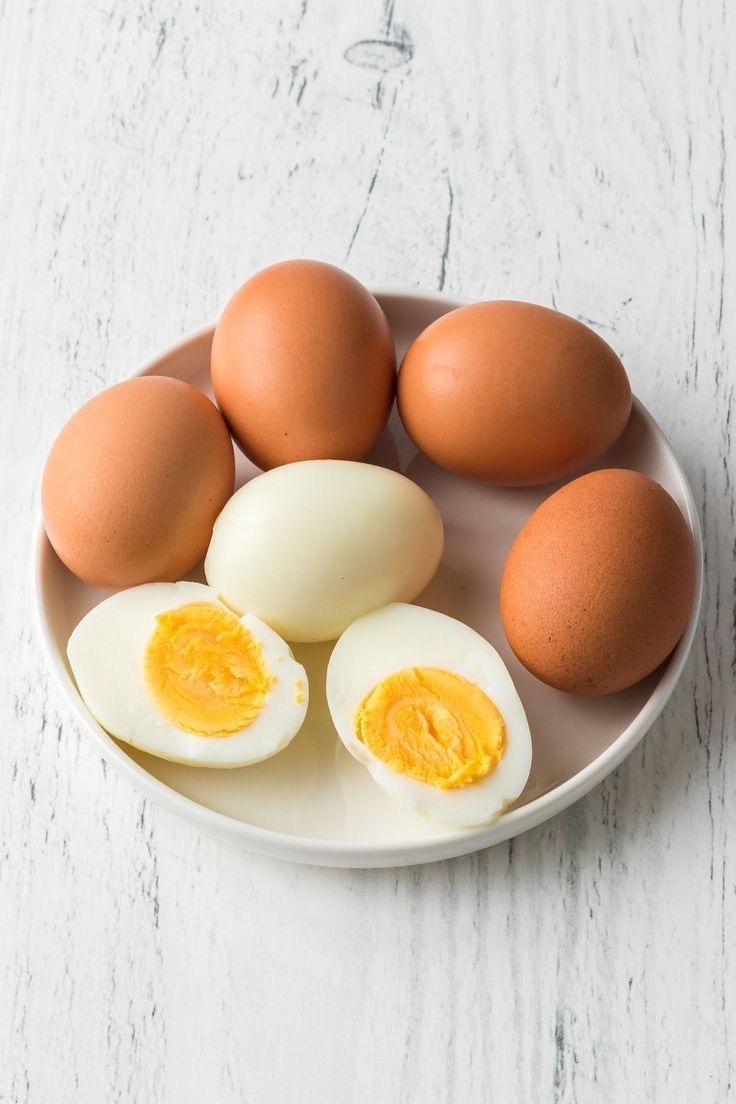
Eggs are a strong option for supporting collagen production because they contain proline, zinc, and sulphur. Because proline and sulphur are primarily concentrated in the egg whites, Cholesterol-watchers who limit egg intake can still benefit from collagen, even though zinc is mainly in the yolk.
Berries
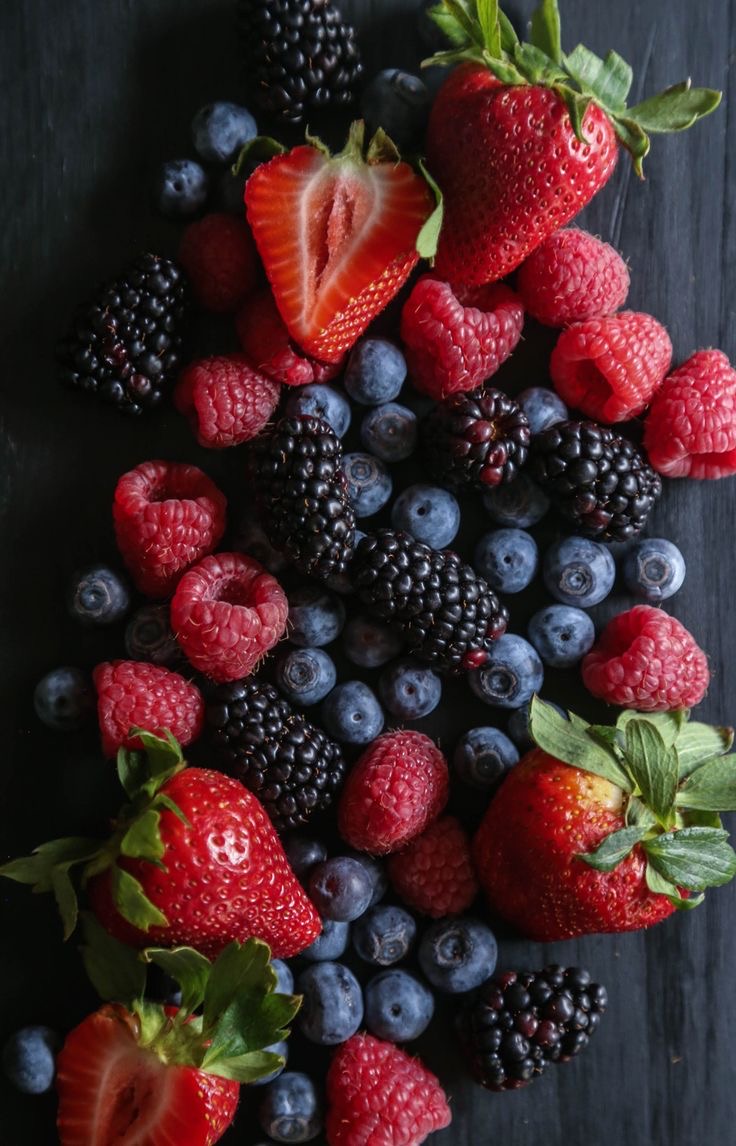
Photo Pinterest @Esther
Vitamin C, which builds collagen, is abundant in cranberries, blueberries, acai, raspberries, strawberries, and their berry cousins. There are many simple ways to enjoy them, including baked goods, yoghurt parfaits, savory salads, homemade jams, smoothies and smoothie bowls.
Oats
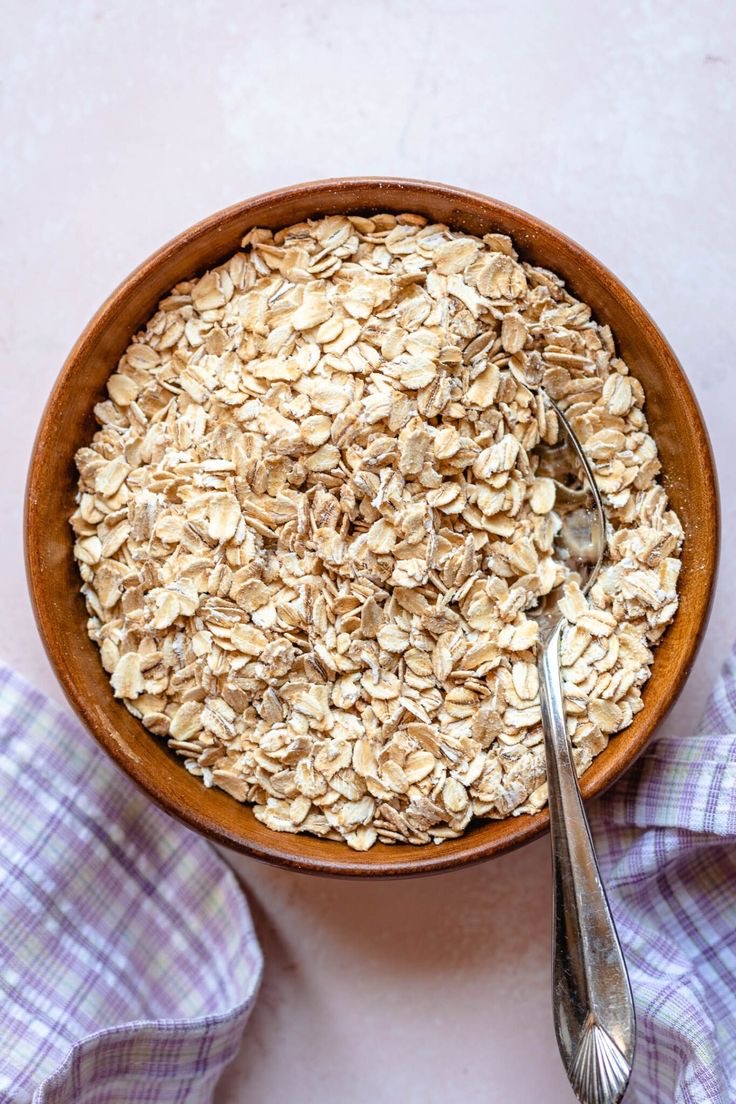
Photo Pinterest @Euzite
The benefits of grains should not be overlooked. MacLeod states that “the body produces collagen with the help of amino acids and vitamins and minerals found in oats and other 100% whole grain foods.”
Nuts and Seeds
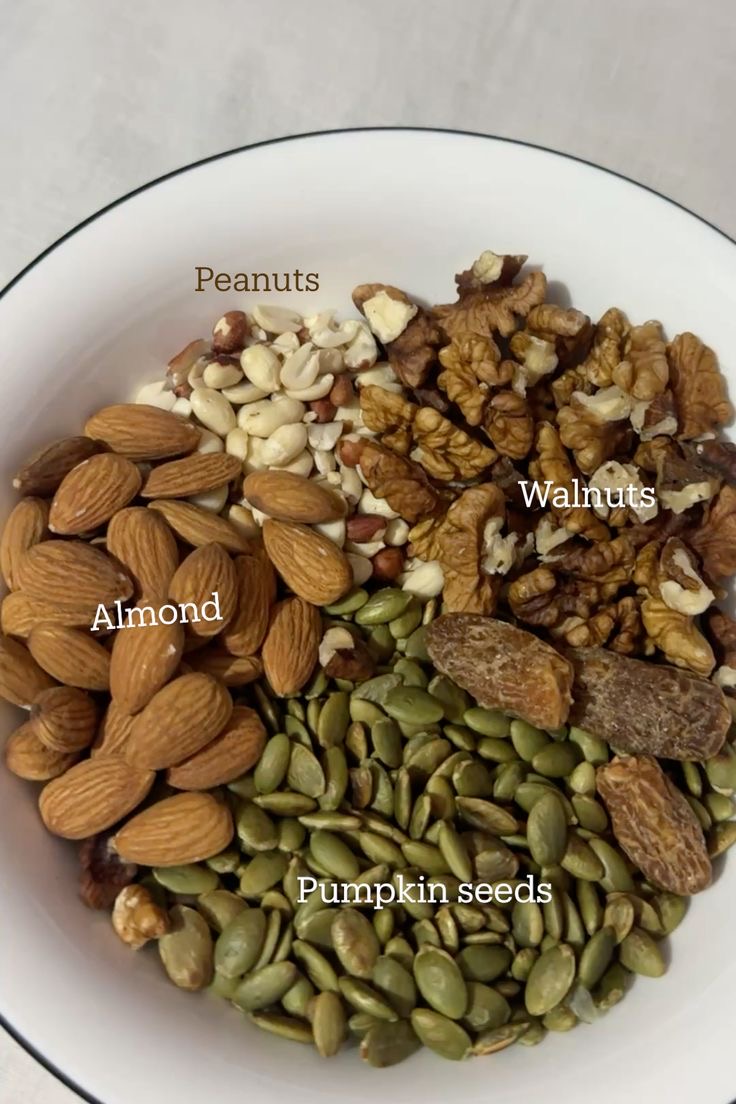
Photo Pinterest @ Anjana Magar
Zinc, a mineral which promotes the formation of collagen, is also abundant in nuts and seeds. You can eat them by the handful or use them to give vegetables like these garlicky green beans added texture and flavor.
read also: Early Signs of Prostrate Cancer

Prostate cancer can be very challenging to identify in early stages, but here are some warning signs.
One of the most prevalent cancers in men is prostate cancer. The prostate, is a tiny walnut-sized gland in the reproductive system, it aids in the production of semen, the fluid that contains sperm, and is located directly beneath the bladder.
Prostate cancer typically grows slowly, and many people don’t see any symptoms at first. This emphasizes how crucial it is to be aware of warning signs. Early detection of prostate cancer can impact both the course of treatment and the patient’s prognosis.
Urinary difficulties are among the most common early signs of prostate cancer. Because the prostate is located close to the urethra, the tube that carries urine out of the body, any enlargement or change in the prostate can put pressure on the urethra. This pressure can interfere with normal urination and lead to various urinary problems.
Cancer is not always indicated by these urinary symptoms.They may also be brought on by other issues with the prostate, like an enlarged prostate.
Regular Urination
Urinating more frequently than normal may also be an indication. Because it frequently happens at night while you’re sleeping, this frequent urination can be annoying. Your prostate may be interfering with your bladder if you wake up multiple times a night to use the restroom.
Weak Stream of Urine
It’s possible that your urine stream is weaker or slower than usual.As you try to empty your bladder, it might even stop and restart by itself.

Signs of prostate cancer — Pinterest @Paanienewsgh
Blood in Semen or Urine
Prostate cancer can cause blood to appear in your urine or semen. Blood can have a bright red or brownish color. Don’t ignore blood, even if you only see it once. Prostate cancer or other major health issues may be indicated by blood.
Difficulty in urinating
You might have the urge to urinate but find it difficult to start the stream.Additionally, you might notice that you need to exert yourself to urinate. Even right after urinating, some people feel as though they haven’t completely emptied their bladder.
Sexual Dysfunction
Prostate cancer patients may experience changes in their sexual well-being. Erectile dysfunction (ED), or difficulty achieving or sustaining an erection, is one prevalent problem. Reduced semen production or pain during ejaculation are additional indicators.
Pain in the Bones
Prostate cancer typically spreads to the bones if it metastasizes. Deep pain in your legs, hips, back, or ribs may result from this.The pain may not go away with standard treatment or may worsen over time.
Pain in the Pelvis
Prostate cancer may be indicated by lower back, hip, or pelvic pain.This kind of pain may feel like a dull ache or pressure and usually doesn’t go away.
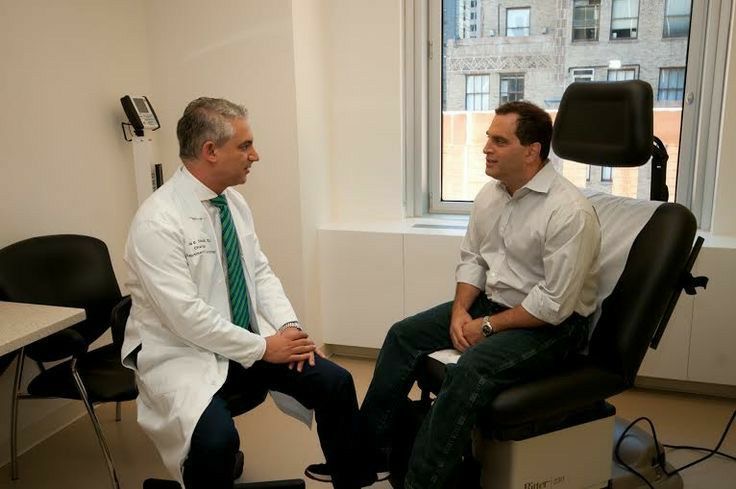
Signs of prostate cancer —Pinterest @Samuelne Gyori
When to Consult a Medical Professional
It is important that you see the doctor, if you experience any of the warning signs, such as difficulty urinating or blood in your urine. Even though these symptoms don’t always indicate cancer, it’s still advisable to get checked out.
don’t miss out: Fibermaxxing—How Experts Say It Supports Digestive Health Wellness


Time never stops, but the way it shows up in our skin, energy, and overall health isn’t only about age, it’s also about how we take care of ourselves. Antioxidants play a big part. They protect our cells from daily stress, pollution, and sunlight. Here are a few key ones that can help slow down the signs of aging.
Vitamin C
This is your skin’s best friend. Vitamin C is like the encouraging coach that tells your skin to produce more collagen, keeping it firm and bouncy.
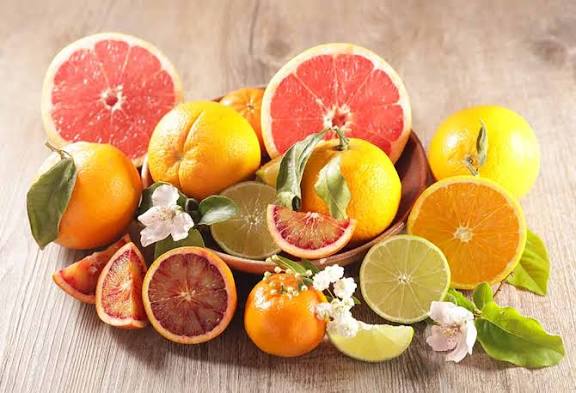
Vitamin C helps your skin stay firm by supporting collagen. It also guards against sun damage and keeps your skin from looking dull. You can get it from citrus fruits, berries, and even bell peppers.
Vitamin E
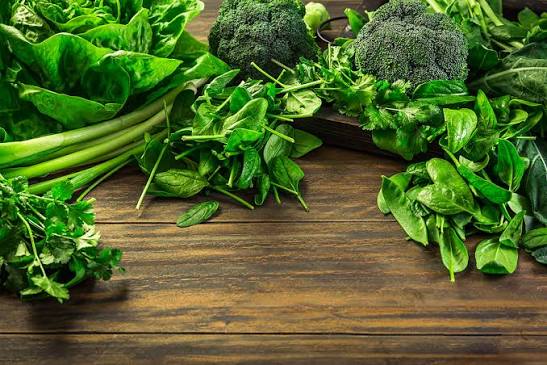
Vitamin E works with vitamin C to keep your skin soft and healthy. It helps your cells stay strong. You can find it in nuts, seeds, and leafy green vegetables.
Resveratrol
Resveratrol is a plant compound in red grapes and berries. It supports heart health, may help you live longer, and calms inflammation that makes aging faster.
CoQ10
Your body produces CoQ10 naturally, but less as you get older. It helps your cells turn food into energy while fighting off damage. Fatty fish and organ meats are natural sources.
Carotenoids
Carotenoids are what give carrots, sweet potatoes, and spinach their rich colors.
Polyphenols

Found in tea, coffee, and dark chocolate, polyphenols support circulation, sharpen your mind, and reduce stress on the body.
Glutathione
It helps flush out toxins from your body and keeps your immune system strong. You can give it a boost by adding simple foods like garlic, onions, and broccoli to your meals.”
Simple Ways to Get More Antioxidants
Eat more colorful fruits and veggies.
Add nuts and olive oil to your meals.
Choose green tea instead of sugary drinks.
Read Next Post: Perfume 101: 4 Scents Guaranteed to Get Compliments Before October


Florence Pugh Confirms Her Relationship in New Instagram Post

Zendaya Explains Why She Won’t Confirm Tom Holland Marriage Rumors

Baby Copper’ Is Spring’s Loveliest Hair Colour


-

 Fashion4 months ago
Jennifer Lopez in Saree at Netra Mantena’s Wedding in Dubai
-

 Top Xclusiv5 months ago
Ariana Grande Brings Vintage Hollywood to the Wicked: For Good Paris Premiere
-

 Movies5 months ago
The Devil Wears Prada 2″ Unveils First Teaser Trailer With Meryl Streep, Anne Hathaway
-

 Entertainment3 months ago
Chris Evans Returns as Captain America in Avengers: Doomsday, Signaling Marvel’s Next Multiverse Chapter
-

 Top Xclusiv4 months ago
Kim Kardashian Tears Up, Says Kanye West Once Accused Her of Faking the 2016 Paris Robbery
-

 Top Xclusiv5 months ago
Millie Bobby Brown Accuses ‘Stranger Things’ Co-star David Harbour of Bullying
-

 Top Xclusiv2 months ago
After Being Mistreated by Her Family, Britney Spears Claims She is “incredibly lucky to even be alive.”
-

 Lifestyle3 months ago
Sheikh Hamdan Al Maktoum Takes Elon Musk on a City Tour, Discusses AI, Space Technology and Dubai Loop