
Skin Care
Sunburn Relief What Works Fast–Dermatologist Tips

Sunburns are painful, uncomfortable and cause redness around the skin, swelling and sometimes, blisters. So whether you’ve spent too much time at the beach or outdoors without protecting your skin properly, sunburns are common skin issues.
Thankfully, there are different ways to treat sunburn while reducing the pain and discomfort. In this article, we’d focus on the many different ways to cure sunburn based on the determatologist’s advice on what works.
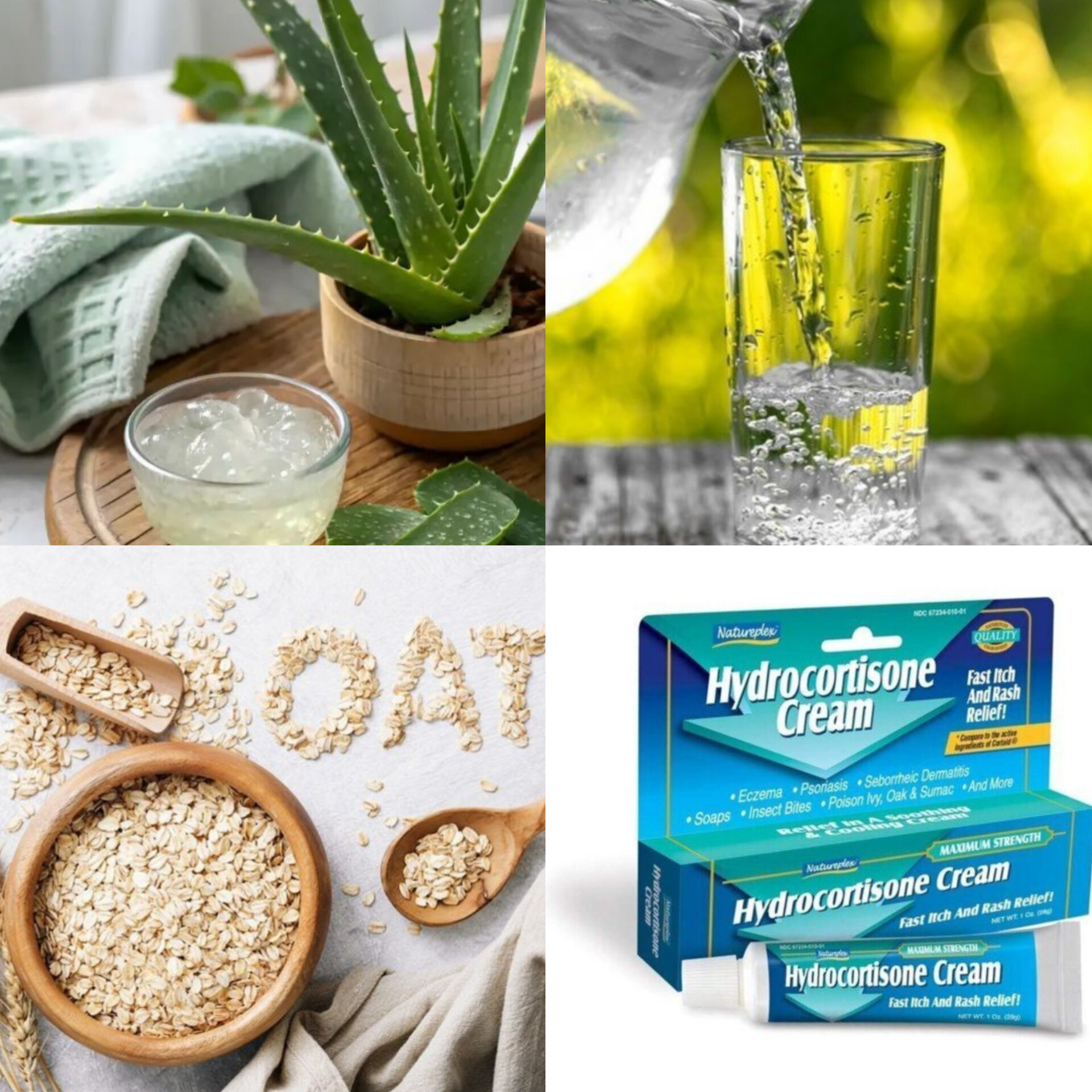
Soothe It with Aloe Vera.
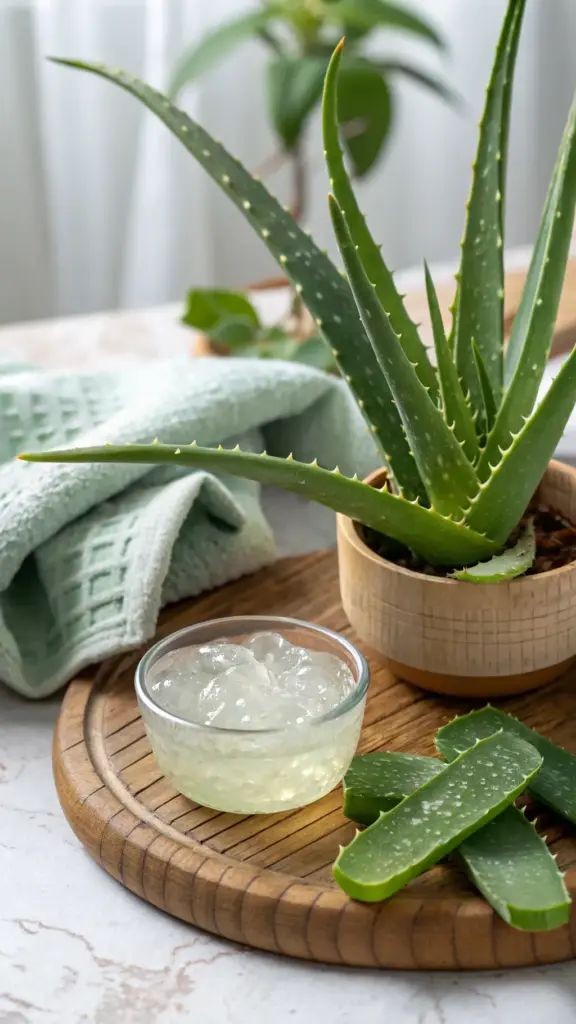
Aloe Vera
If there’s one plant that’s practically made for sunburns, it’s aloe vera. Not only does it cool things down and take the sting away, but it also helps reduce the redness, irritation, and dryness that sunburn comes with. It also helps stop your skin from peeling too much later on.
The Journal of Pharmaceutical Sciences has backed this up. Aloe vera contains special compounds that calm inflammation and speed up healing. So it’s not just an old-school remedy, it is science-approved.
How to Use: If you have an aloe vera plant at home, cut a leaf, scoop out the gel, and gently apply it to the sunburned area.
If you don’t have the plant and decide to use a store-bought version, go for one that is pure and free of alcohol because alcohol leads to more dryness. Reapply every few hours to keep your skin feeling refreshed.
Make sure to use a Cool Compress
First things first, if your skin feels like it’s on fire, you definitely need a cool compress. This simple trick will give you instant relief. Cooling your skin helps shrink the blood vessels and reduces that hot, stingy feeling.
According to the Journal of Clinical Dermatology, a cool compress can lower your skin’s temperature and stop further irritation from happening.
How to Use: Soak a soft towel in cool (not icy) water, wring it out, and gently place it on the sunburned area for about 10 to 15 minutes.
Do it as often as you need throughout the day. Do not use ice! It might be tempting, but using it directly on your skin can do more harm than good.
Try a Cool Oatmeal Bath
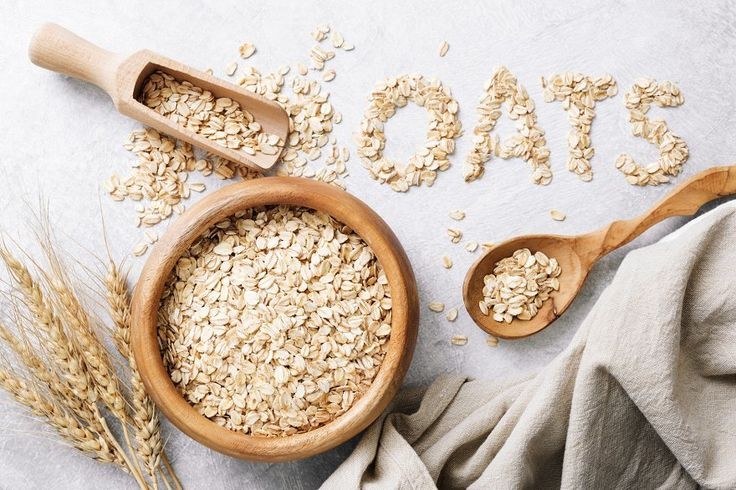
Oats
You might not have heard of this before, but oatmeal is like a hug for irritated skin. It is soothing and helps with the itching, redness, and all-around discomfort. Think of it as giving your skin a gentle, calming soak.
According to the Journal of Drugs in Dermatology, this is because of avenanthramides found in Oats. They are natural anti-inflammatory compounds that calm the skin and fight irritation.
How to Use: Blend plain oats into a fine powder and add it to a lukewarm (not hot) water. Soak yourself in for 15–20 minutes.
Afterward, gently pat your skin dry. Make sure not to rub! And if you’d rather not take a bath, you can use a fragrance-free oatmeal lotion instead.
Moisturize Like Your Skin Depends on It
After cooling off, your skin needs moisture immediately. A gentle, fragrance-free lotion helps lock in hydration and keeps your skin from peeling. Look for ingredients like hyaluronic acid, ceramides, or glycerin, they are all the good nutrients that prevent your skin from drying up.
According to The American Academy of Dermatology, sunburned skin loses a lot of moisture, which is why you end up feeling dry, tight, and flaky. A solid moisturizer helps ease all that.
How to Use: Apply your lotion right after your compress or bath, while your skin is still a little damp. Be gentle, no rubbing. Avoid anything with alcohol or perfume. Your skin is recovering and it needs mild products, not harsh.
Take a Pain Reliever if It Hurts
If your skin is really sore, or you’re dealing with some swelling, don’t suffer in silence. Taking something like ibuprofen or aspirin can make a huge difference, it tackles the inflammation while helping relieve the pain.
According to Dermatology Research Journal, NSAIDs (like ibuprofen) are great for calming inflammation and easing sunburn pain.
How to Use: Just make sure to follow the instructions on the bottle. Don’t go over the dose, and if you have any health issues, check in with a doctor first.
Drink More Water Than You Think You Need
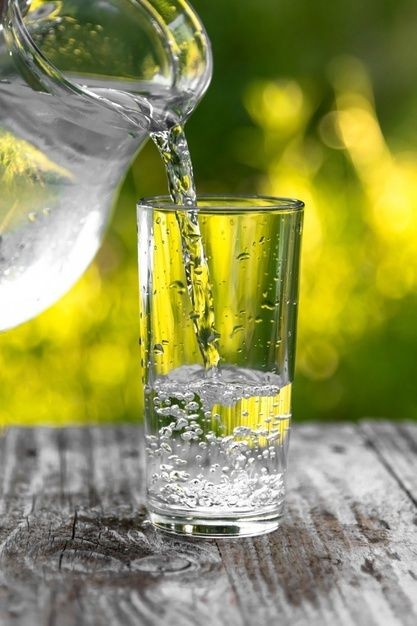
Water
Sunburn is equal to dehydration. When your skin is burned, it loses moisture, not just on the outside, but inside too. So keep sipping water all day long. It helps your body heal faster and keeps your skin from drying out even more.
The Journal of Dermatological Science also mentions that staying hydrated helps your skin repair itself and makes the whole healing process way smoother.
How to Use: Keep a bottle of water nearby and sip often, not just when you’re thirsty. Also try to cut back on alcohol and coffee as they dry you out more.
Don’t Wear Anything That’ll Annoy Your Skin
This one is very important: pit away tight clothes for the time being. Your skin is already sensitive, so let it breathe. Soft, loose cotton clothes are the way to go. Anything too snug or synthetic will just irritate it more.
The British Journal of Dermatology confirms that breathable clothes help minimize irritation and allow your skin to heal without more friction.
How to Use: Choose soft, loose outfits made of cotton or similar fabrics. Stay away from stuff that traps heat like polyester. If it rubs, it’s a no.
Hydrocortisone Cream Is Your Backup Plan
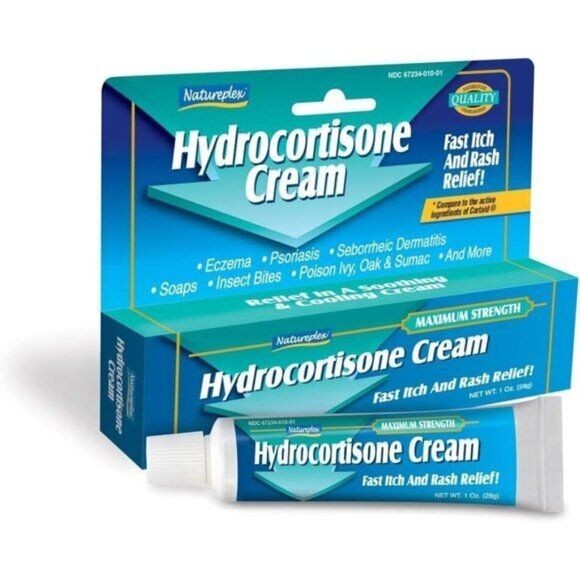
Hydrocortisone Cream
If your sunburn is looking serious: extra swollen, red, or painful you might need a little extra help. Hydrocortisone cream can calm things down quickly. It’s a low-dose steroid that reduces inflammation and helps you heal faster.
The Journal of Clinical Dermatology says hydrocortisone is great for calming irritated, inflamed skin and speeding up the healing process.
How to Use: Use a tiny amount, just a thin layer on the affected skin once or twice a day. Don’t go overboard with it, and if things still look bad after a couple of days, talk to a doctor.
Stay Out of the Sun While You Heal
You might want to go back out once the burn starts to fade, but your skin needs time. Any extra sun exposure on already damaged skin will only make it worse. More peeling, more pain, and possibly even long-term damage.
The American Journal of Dermatology warns that continued sun exposure after a burn slows healing and ups your risk for scarring and complications.
How to Use: Stay indoors or in the shade as much as possible. And if you absolutely must go out, wear sunscreen (SPF 30 or higher), a wide-brim hat, and long sleeves to protect your skin.
Know When It’s Time to Call the Doc

Know when to call the doctor
If you start getting big blisters, a fever, chills, or feel dizzy or weak, that’s your body telling you this sunburn isn’t just a mild case. In that situation, you need to see a doctor. It could be a second-degree burn or worse.
The British Journal of Dermatology points out that severe burns can cause long-term skin damage and may require medical treatment to prevent complications.
How to Use: If you’re feeling really off or if the sunburn looks scary, don’t wait, seek medical care. They might give you prescription-strength creams or pain relief that works better than over-the-counter stuff.
Conclusion
Sunburns aren’t the best thing, but with a little care and patience, you’ll be okay. Cool it down, keep it hydrated, give it moisture, and protect it from further damage.
Your skin is healing, so baby it for a few days. And next time? Sunscreen before you even step out!
ALSO SEE: How to Find Your Signature Scent






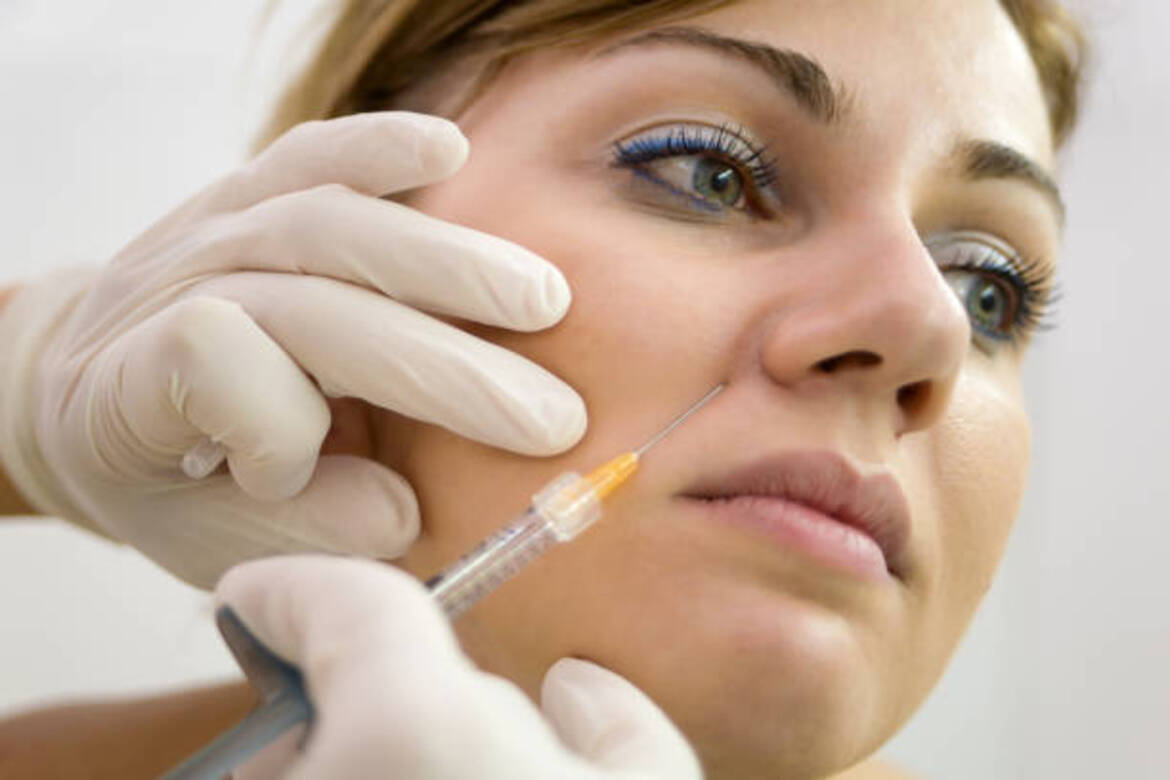
Skin boosters are injectable treatments designed to improve skin hydration and texture without adding significant volume to the face. Unlike traditional fillers, which add volume to areas such as the cheeks and lips, these injectables focus on improving skin quality.
How Skin Boosters Work
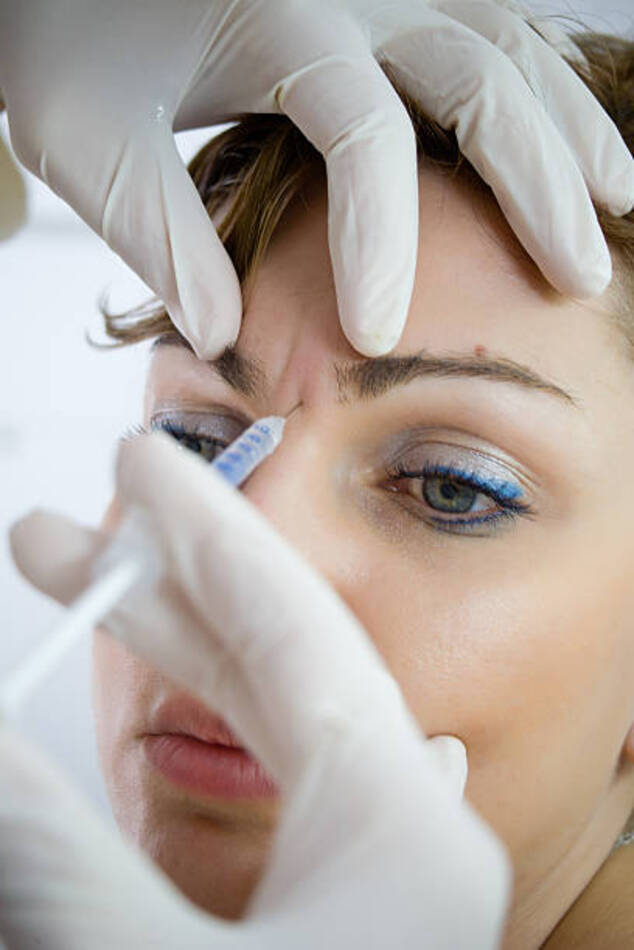
Photo: Getty images
Many skin boosters contain hyaluronic acid, a substance that helps the skin retain moisture. Injected into the upper layers of the skin, it attracts water, helping the complexion look plumper and more radiant.
Some formulations may also support collagen and elastin production, although results vary depending on the product and individual. Skin boosters are not designed to lift sagging skin or address every concern, including deep scars and pronounced pigmentation.
How Long Do Results Last?
Results can last up to six months, depending on the product and the individual’s response. Skin may appear smoother and better hydrated, but the treatment does not guarantee flawless results. Repeat sessions may be recommended to maintain the effect.
What Does the Treatment Involve?
The skin is cleaned before the practitioner injects small amounts of the product into the treatment area. A session typically takes 15 to 30 minutes, and some providers use a numbing cream to reduce discomfort. Depending on the product, treatment may be available for the face, neck, décolletage and hands.
Redness and swelling usually subside within a day or two, while bruising may take a week or longer to fade.
Are Skin Boosters Safe?
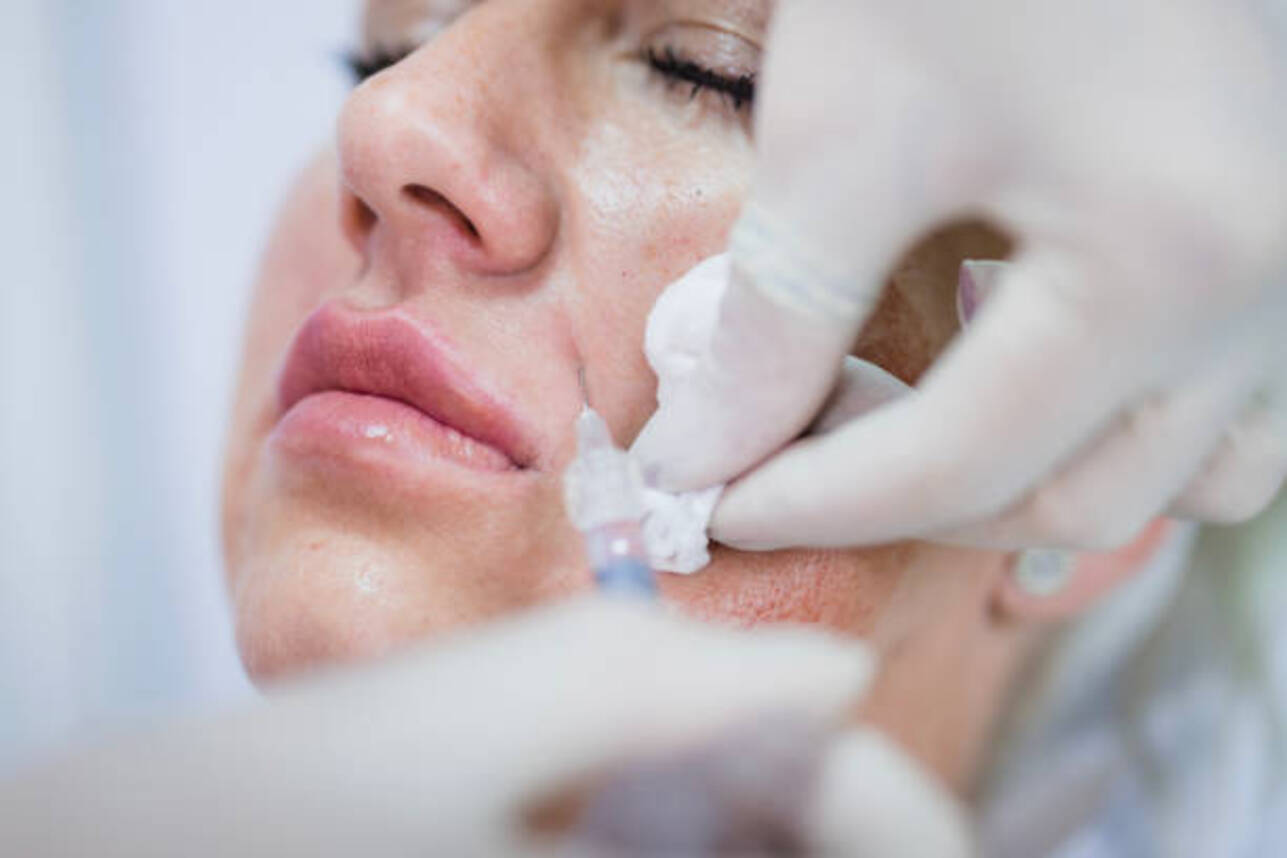
Photo: Getty images
Although generally associated with temporary side effects, skin boosters carry risks. These include allergic reactions and, rarely, vascular occlusion, a serious complication in which an injected substance blocks a blood vessel.
Before booking a session, patients should check the practitioner’s credentials and ask about the specific product being injected. It is also important to check that the injectable is authorised for its intended use in the country where treatment is offered.
Is It Worth Considering?
For those seeking a subtle improvement in hydration and texture, skin boosters offer another option in aesthetic skincare. However, the cost, maintenance required and possibility of complications deserve consideration before booking a session.
Skin boosters may improve hydration and texture, but the cost of repeat treatments and potential side effects are worth weighing before deciding to proceed.
Every summer, there comes a moment when your usual moisturiser stops feeling comfortable on the skin and your winter moisturiser begins to feel heavy, trapping heat on the skin, and makes midday shine more noticeable. The solution isn’t dropping moisture altogether, but switching how you apply it.
Moisturising toners have become a key step in many warm-weather routines. Lightweight enough to absorb before you have finished patting them in, yet substantive enough to hold the skin barrier steady through humidity and heat, they sit between a splash of water and a richer cream. Here are five worth considering.
Laneige Cream Skin Toner
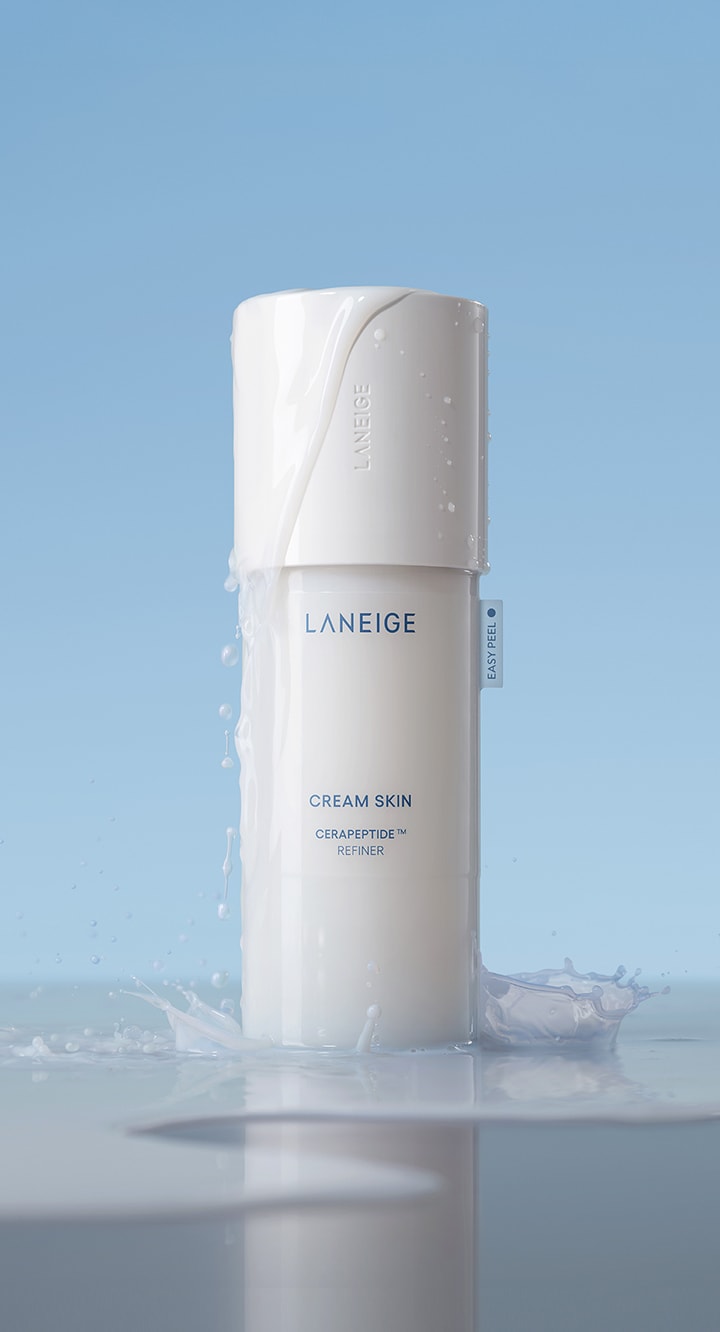
Photo: Instagram
It delivers the satisfaction of a moisturiser inside a toner’s featherlight body, with white leaf tea water helping to calm inflammation while a ceramide and peptide complex works quietly underneath to support barrier repair. Best suited to dry and sensitive skin, but those with oilier skin may want to patch test before committing.
Shiseido Eudermine Activating Essence Lotion
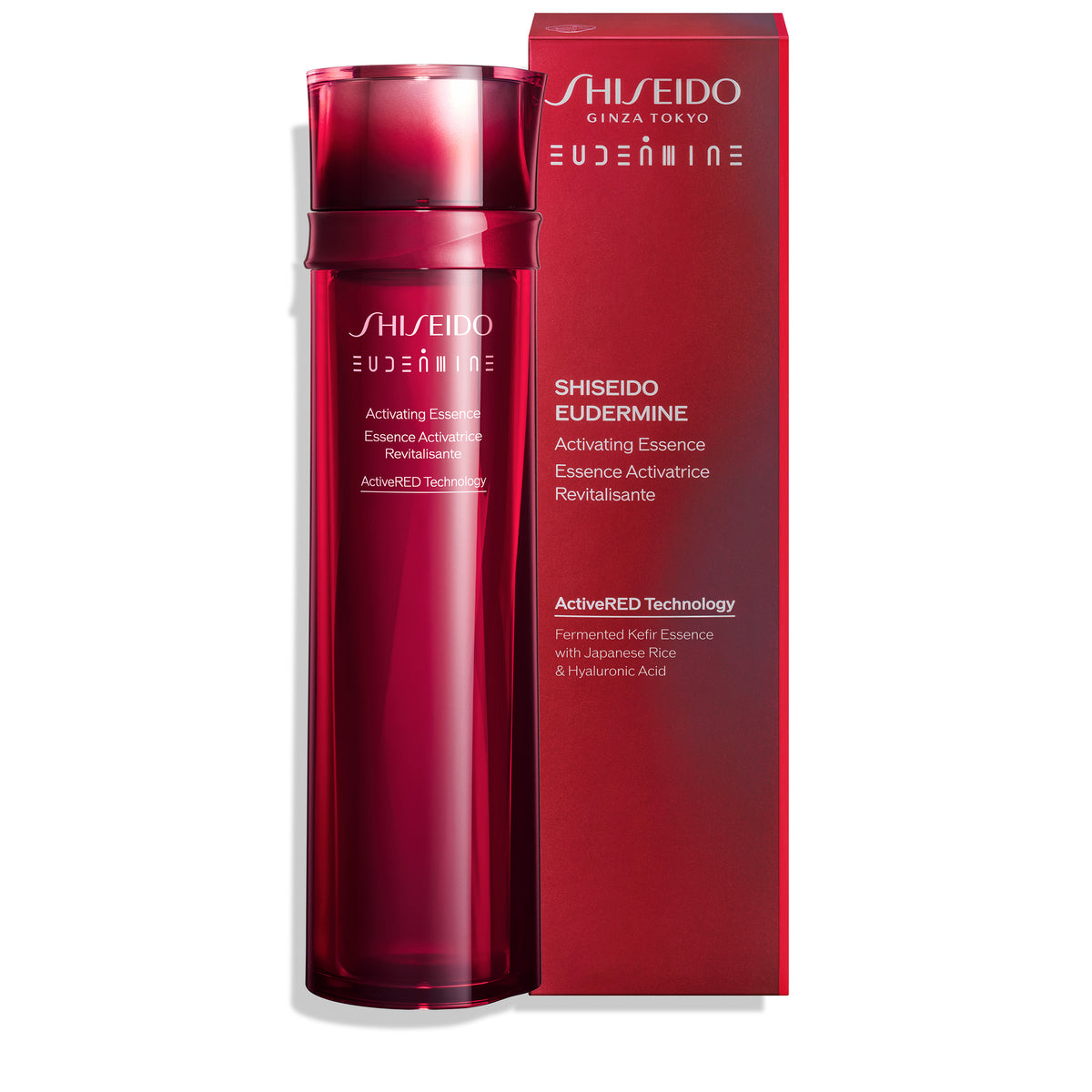
Photo: Instagram
Twenty-four-hour hydration from a formula that feels like water on the skin is the kind of claim that usually invites scepticism. Here, however, dual hyaluronic acids lend it credibility, drawing in and sealing moisture at different skin depths. Vitamin C helps brighten and even out tone with continued use.
SK-II Facial Treatment Toner
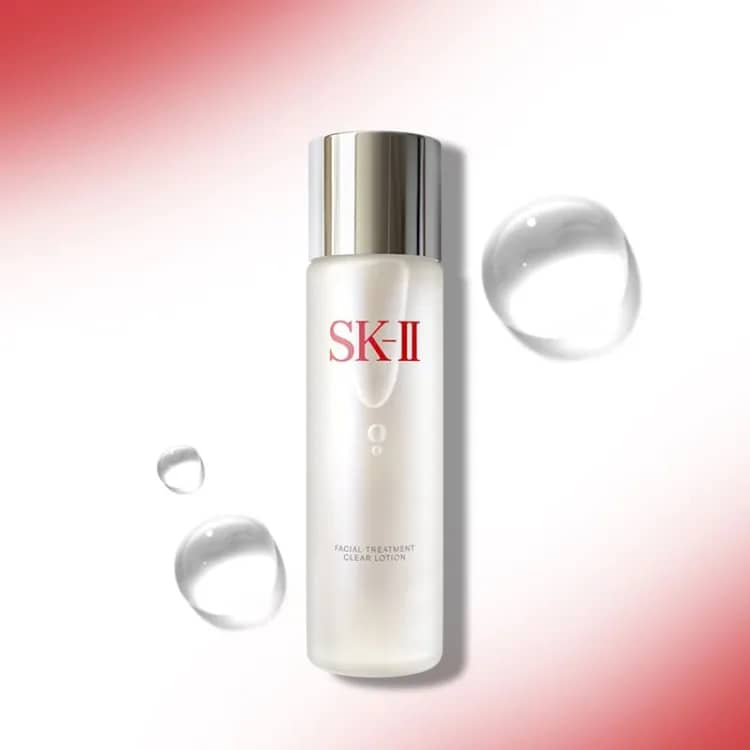
Photo: Pinterest
Pitera™, SK-II’s signature ferment complex, has been central to the brand’s formulations for decades. Combined with AHAs, it lifts residual grime, refines texture, and brightens in a single step. Less a traditional toner and more a final step in cleansing, designed to refine skin with continued use.
Fenty Beauty Fat Water Toner Essence
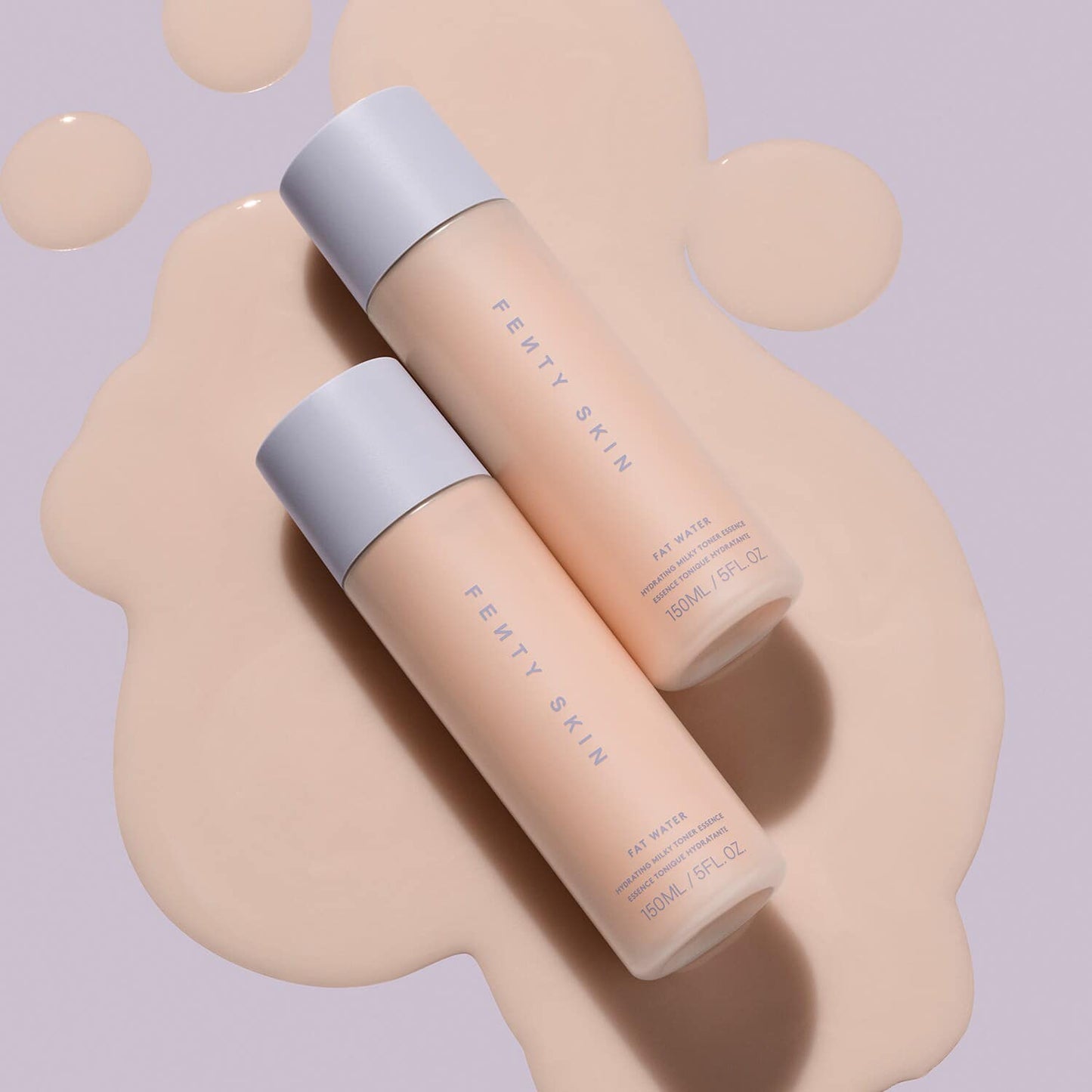
Photo: Instagram
It contains tamarind, panthenol, and hyaluronic acid, which absorb quickly and leave skin hydrated and feeling calmer, the travel-friendly packaging is a practical bonus, though the light scent is worth testing if fragrance sensitivity is a concern.
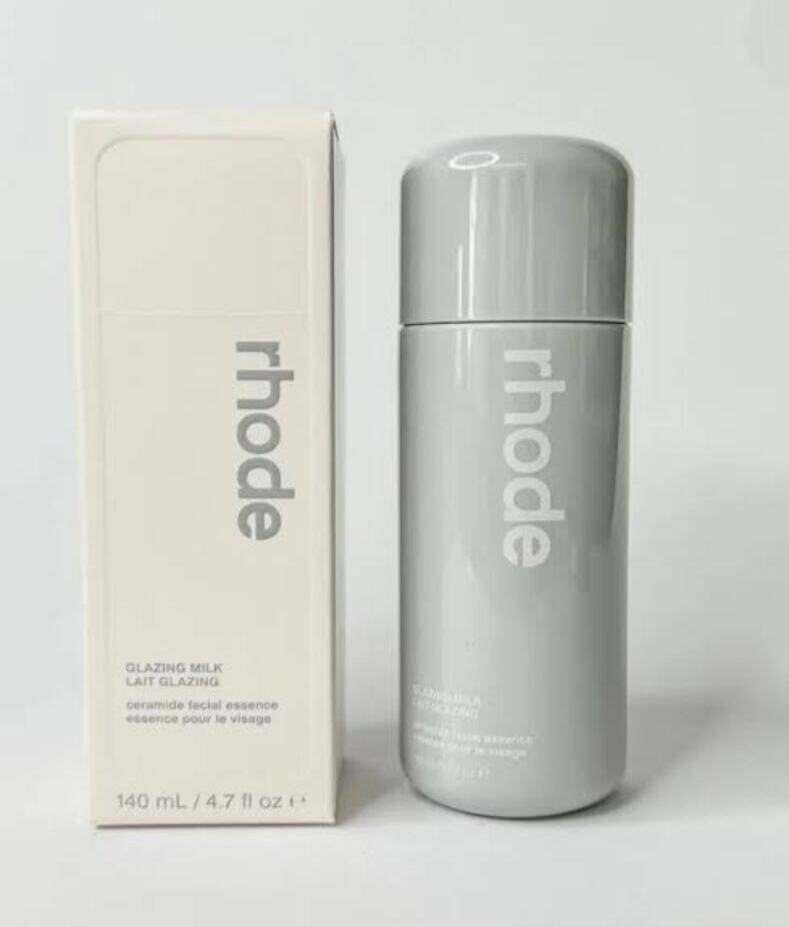
Rhode Skin Glazing Milk
Photo: Instagram
Ceramides and beta-glucan form the backbone of this calming essence, built specifically with reactive and eczema-prone skin in mind, it carries the National Eczema Association’s Seal of Acceptance. It leaves skin hydrated through the day without feeling heavy or occlusive.
Read Next Post: Most Anticipated Summer 2026 Movies Worth the Wait

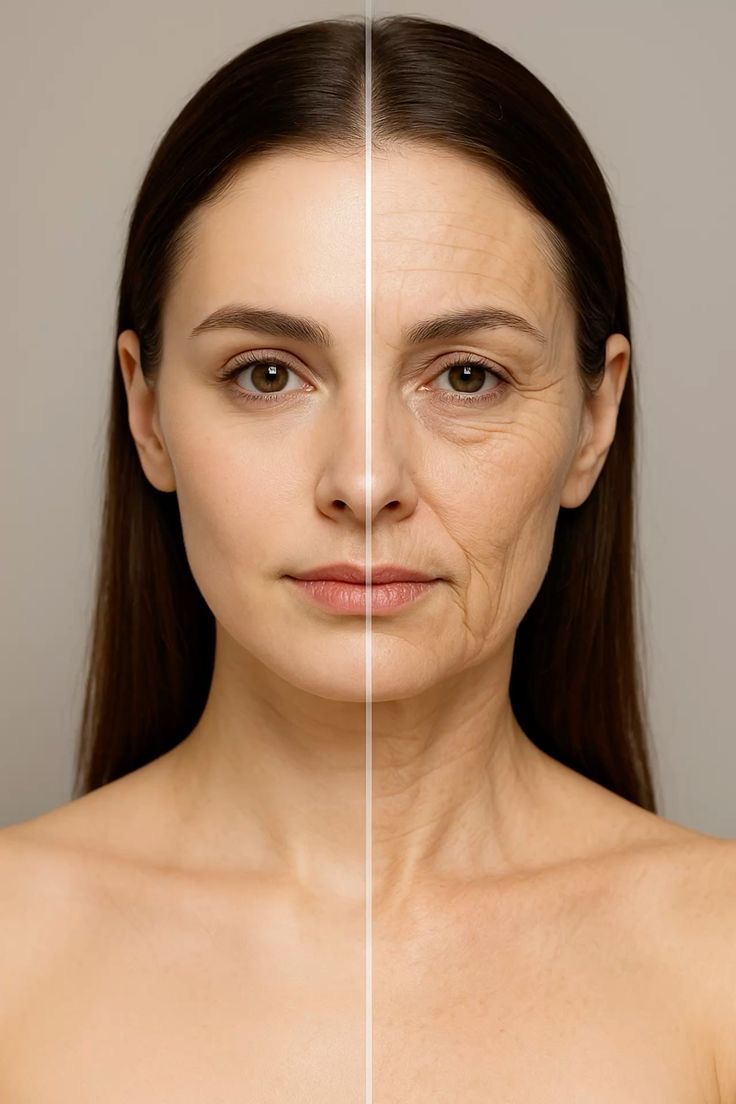
For a long time, skincare was mainly about protection. We used SPF to protect against sun damage and antioxidants to fight pollution. Skincare research increasingly centers on the skin’s ability to repair itself. This reflects the growing interest in stem-cell skincare.
You are not actually putting live stem cells on your face. Real stem cells cannot survive inside a cosmetic jar. Researchers study the ‘secretome,’ the messenger molecules stem cells release to nearby cells. When your skin is young, its internal stem cells are like active foremen on a construction site, constantly signaling for more collagen and faster repair. As we age, their activity declines and this appears on our skin as wrinkles and dullness. This technology uses plant-derived extracts, like Swiss Apple or Edelweiss, to act as a signal “tricking” your skin into behaving like it’s twenty again.
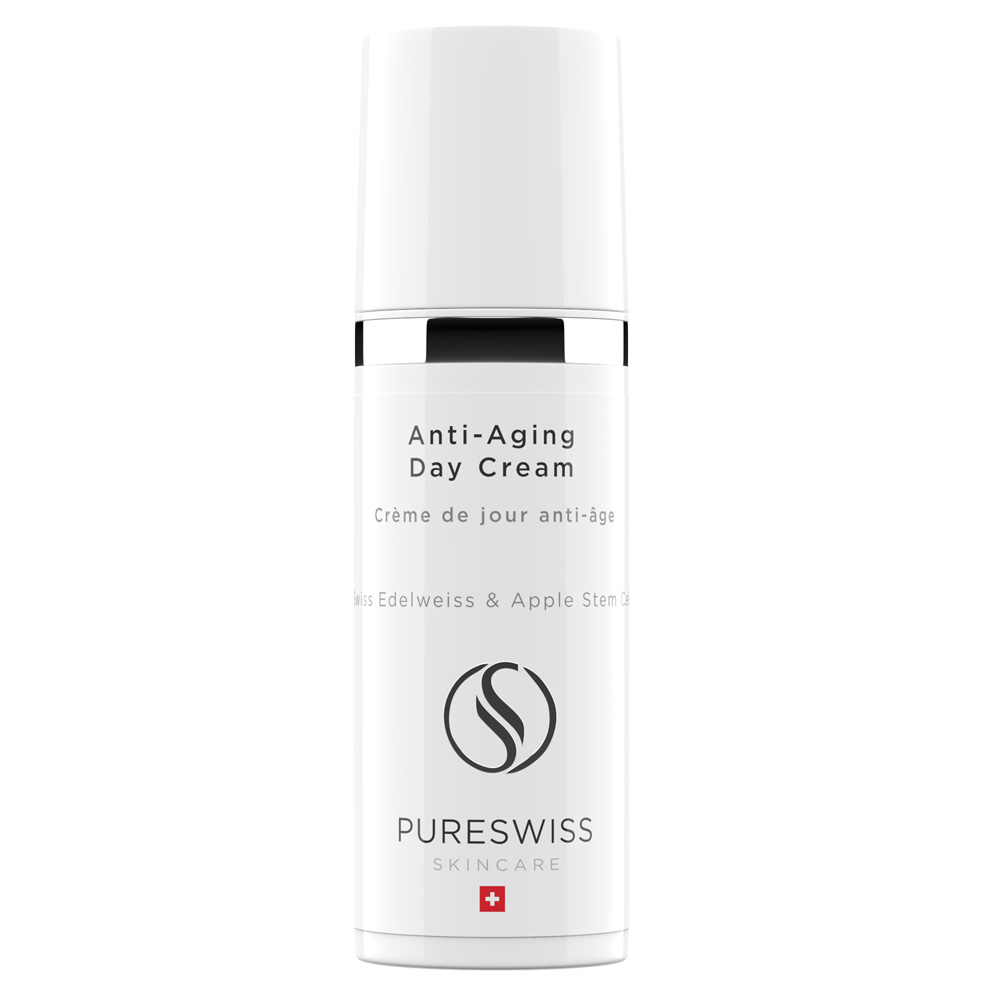
Anti-aging cream with apple stem cells image: www.pureswisscosmetics.com
Why it matters for your skin
While stem-cell technology concentrates on regenerative medicine, many traditional creams focus primarily on surface hydration. These products promote healing by imitating the skin’s natural signals. They:
- Increase elastin and collagen to fill in fine lines from the inside out.
- Quicken Repair: Compared to conventional serums, it fades sun damage and scars more quickly.
- Improve Resilience: Strengthening the skin’s barrier to environmental stress.
Exosomes are gaining attention in skincare research, essentially miniature “delivery bubbles” filled with growth factors and cytokines. They serve as high-speed couriers, transporting anti-aging instructions to the deepest levels of your dermis, where they can do the most good.
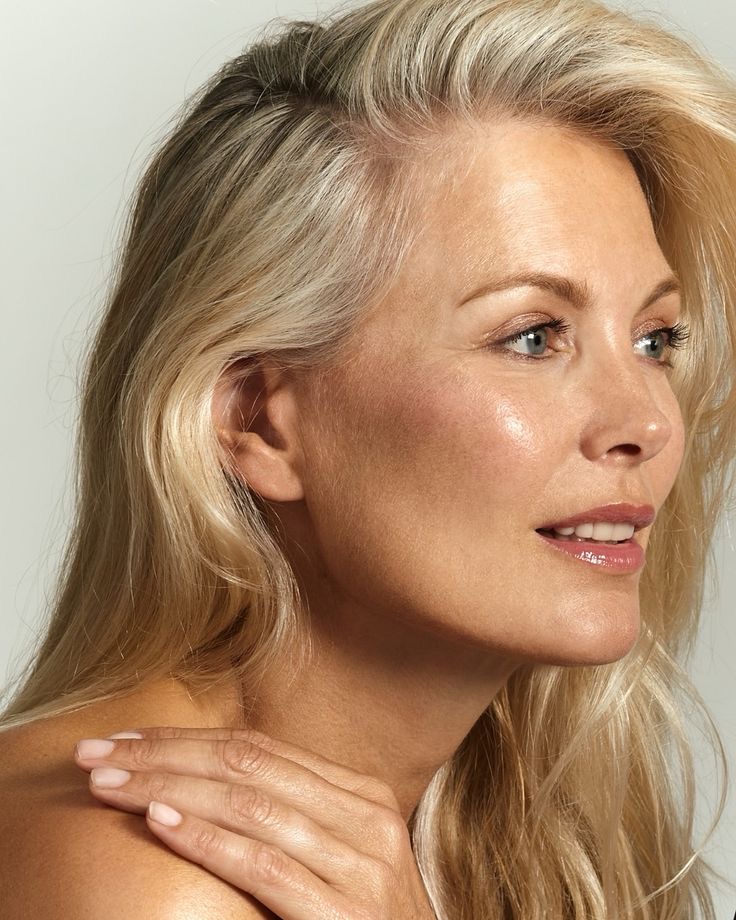
Image — Pinterest @Danielle
Stem-cell skincare is taking us away from transitory “plumping” and toward true cellular renovation. This isn’t just another skincare trend. It’s one of the closest things we have to giving our skin a fresh start.
also read: Khloe Kardashian Stem Cell Therapy—Breakthrough Wellness or Celebrity Indulgence


Jenna Ortega May Take a Break From TV After Wednesday

All the Highlights From Dubai Fashion Week So Far

Who Are the Cast Members of Love Is Blind: Habibi Season 2?


-

 Celebrity news4 months ago
Lamar Odom Explains His Comments About Marrying Khloé Kardashian for Fame
-

 Top Xclusiv5 months ago
Brad Pitt and Angelina Jolie’s Eldest Son Maddox Files for an Official Name Change
-

 Top Xclusiv4 months ago
Anne Hathaway Reveals She Is Pregnant With Her Third Child
-

 Top Xclusiv4 months ago
North West and Molly Santana Announce 14-Date Kimokawaii Tour
-

 Fashion5 months ago
4 Streetwear Brands Driving Dubai’s Street Style Rise
-

 Celebrity news4 months ago
Kourtney Kardashian Reveals Her Framed ‘Travis I’m Pregnant’ Sign Still Hangs in Her Home
-

 Music5 months ago
Ariana Grande Drops Brooding New Single “Hate That I Made You Love Me”
-

 Top Xclusiv5 months ago
Pete Davidson Praises Kim Kardashian’s Resilience: ‘She’s Superhuman’