
Health
Ancient Herbal Teas That Are Good for Your Liver


Be honest, when was the last time you thought about your liver? We usually talk about skincare, workouts, and our diet. But the liver? It’s always gets left out of the conversation.
And yet, it is working round-the-clock: cleaning out toxins, helping with digestion, and even balancing your hormones.
So today, we are going to show our liver some love, the easy way. Just by sipping the right teas.
In this article, we’d be discussing 5 herbal teas that people have used for ages, and they still work like magic.
Milk Thistle Tea

Milk Thistle Tea
Let’s start with the legend when it comes to liver health. This one is a big deal and has been used for the past 2,000 years. Milk thistle is packed with silymarin which helps clean out the liver and even repairs it.
If you’ve been taking meds, drinking, or feeling bloated and tired, try this tea. It’s the detox you need!
How to use: Add a teaspoon of crushed milk thistle seeds in hot water for 10–15 minutes. Drink once or twice a day.
Taste tip: It has a nutty taste so you might want to add honey or mint.
Dandelion Root Tea

Dandelion Root Tea
This is not just a backyard weed! This tea is really good when it comes to flushing out your liver. It helps your body break down fat and keeps your digestion smooth.
If you tend to feel heavy or puffy after meals, Dandelion root is your go-to!
How to use: Add 1–2 teaspoons of dried root in hot water for 10–15 minutes. Strain and sip while warm.
Taste tip: It’s earthy and a little bitter so you might want to add lemon or cinnamon depending on your taste.
Turmeric Tea
Turmeric Tea
Turmeric isn’t just for cooking. It plays an incredible role in your liver health. It helps reduce inflammation and keeps your liver running smoothly. If you’re always feeling bloated or tired, then you shouldn’t sleep on this one!
How to use: Boil a cup of water with ½ teaspoon turmeric, a pinch of black pepper (so your body can absorb the tea), and you can sprinkle in cinnamon or ginger if you want. Cook low and slow for 10 minutes and add some honey to taste.
Taste tip: Warm, spicy, cozy.
Licorice Root Tea
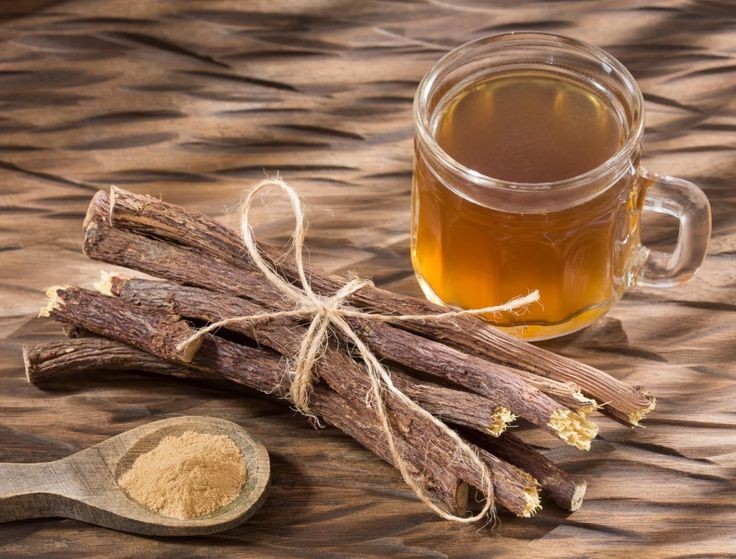
Licorice Root Tea
If you feel down or crave sugar a lot, then you should try licorice tea. It helps clean up your liver and it supports your adrenals (the part of you that helps with energy and stress.)
How to use: Simmer 1 teaspoon of dried licorice root in hot water for 5–10 mins. Sip slowly.
Taste tip: It’s sweet on its own. So you might not need to add sugar.
Side note: If you have high blood pressure, you might want to check in with your doctor before making this a regular habit or part of your routine.
Schisandra Berry Tea

Schisandra Berry Tea
This one might not be so popular, but it is one of those herbal teas that should be hyped a lot. These little berries are great for the liver but they also help with your energy levels, skin health, and brain fog.
How to use: Slowly cook 1 tablespoon of dried berries in 2 cups of water for 15–20 minutes. Strain and sip.
Taste tip: It is a burst of different flavours: sweet, sour, salty, and bitter all in one! But it is extremely beneficial for your liver health.
Conclusion
Your liver is doing a lot of work. And thankfully, you don’t need a fancy detox or expensive juice to take care of it. Just add one of these teas into your week, one cup a day and your body will feel the difference.
Clearer skin? Better digestion? Less bloating? Yes, these are signs that your liver is healthy.
Try a few of them, find your preferred one, and keep sipping. Your body (and future self) will be so glad you did!
ALSO SEE: Dubai Launches World’s First AI Chef


A strong, balanced physique is not built from what we see in the mirror alone. While chest, arms, and shoulders often get the most attention, the back plays a crucial role in supporting almost every movement we make. Strengthening the back can improve posture, enhance upper-body performance, and help the body better handle the physical strain of long hours spent sitting.
These 5 movements correct that imbalance.
Pull-Ups
Targets: Lats, biceps, upper back
Few exercises build back width like the pull-up. Performed from a dead hang on an overhead bar, the pull-up requires you to lift your body until your chin reaches the bar before lowering under control.
It’s a demanding but highly effective exercise. While it requires minimal equipment, often just a sturdy bar, the movement can be challenging, especially for beginners who are still developing the necessary upper-body strength. However, its ability to engage multiple muscles at once makes it a valuable compound movement for building back strength and overall pulling power.
Dumbbell Bent-Over Row
Targets: Mid-back, lats, core, posterior shoulders
For building back thickness and overall development, the bent-over row remains a staple. Performed from a hip-hinged position with a stable torso, the exercise targets the muscles of the upper and middle back through a controlled pulling motion.
The benefits extend beyond the back, engaging the core while helping to develop proper hip-hinge technique. Regularly incorporating the movement into a training routine can strengthen the mid-back and support better posture, particularly for those who spend long hours at a desk.
Face Pulls

Photo: Instagram
Targets: Rear delts, upper back, rotator cuff
Often overlooked, face pulls are critical for shoulder health and posture. A simple band exercise, face pulls focus on the upper back and shoulder muscles that help maintain alignment and support healthy movement.
The movement can help strengthen the muscles that support better posture and shoulder alignment. It’s not flashy, but it’s one of the best low-load exercises for upper-back endurance and joint stability.
Overhead Press

Photo: Getty images
Targets: Shoulders, upper back, core
Filed under “shoulder day,” the overhead press is primarily a shoulder-building movement, but it also challenges the muscles of the upper back that help stabilize the shoulder joint during the lift. The overhead press is often viewed as a shoulder exercise, but it also places significant demands on the muscles that stabilize the upper back and spine.
The exercise also encourages balanced strength development and greater core control . A well-executed overhead press relies on upper-back stability, helping reinforce proper posture and movement mechanics.
Superman

Photo: Instagram
Targets: Lower and mid-back, glutes, posterior chain
This bodyweight move places more direct emphasis on the lower and middle back, areas that often work as stabilizers. It strengthens the spinal erectors and supports the posterior chain, helping improve back stability and the movements used in everyday life.
No equipment needed. Lie face down, lift arms, chest, and legs off the floor, squeeze the glutes, and hold.
These five exercises do more than build muscle. They strengthen the back’s role in posture, stability, and everyday movement, helping you create a more balanced upper body that is stronger, more resilient, and better equipped for the demands you place on it.
Train your back with the same intent you train your chest and arms. In 8-12 weeks of consistent work, the difference shows in the mirror. More importantly, you’ll feel it in your posture, your strength, and your day-to-day movement.
Read Next Post: Inside Selena Gomez and Benny Blanco’s Romantic Italian Birthday Getaway


Before you reach for protein powders, shakes, or supplements, remember that your best and most delicious protein sources are still found on your plate. Protein is naturally found in many everyday foods, which means you can easily remix your go-to meals into more protein-rich versions without losing any of the flavor you love. With a few simple tweaks, your usual breakfasts, lunches, and dinners can quietly turn into satisfying, protein-rich dishes that help you hit your goals and actually enjoy the process.
Choose Lean Meats

Photo: Instagram
Adding lean animal proteins to your diet is one of the easiest ways to increase your protein intake. For a satisfying protein boost, nutritionist Shapiro suggests adding chicken, turkey, or lean beef to wraps, quesadillas, toast and grain bowls.
Include Cottage Cheese

Photo: Instagram
Nutritionist Colleen recommends a convenient and versatile source of protein. Why? It has a protein of roughly 12 grams and is suitable for use in savory recipes such as pasta, rice, and vegetable dishes.
Use Greek Yogurt

Photo: Instagram
Greek yogurt is another source of protein. A serving of seven ounces yields approximately 19 grams of protein, as stated by Colleen. With its rich texture, it’s easy to incorporate into homemade sauces, salad dressings and breakfast favourites such as overnight oats.
Sprinkle on Edamame and Seeds

Photo: Instagram
Those following a plant-based diet have plenty of protein-rich options. Nutritionist Colleen recommends edamame, nutritional yeast, and seeds such as pumpkin, sunflower, and hemp as easy ways to increase the protein content of meals. Sprinkle them over salads and grain bowls, or enjoy them on their own as a quick snack.

Good oral hygiene is more than just brushing your teeth. While most people focus on keeping their teeth clean, the tongue is often overlooked despite being one of the biggest collectors of bacteria in the mouth. The surface of the tongue provides an ideal environment for bacteria, food particles, and dead cells to accumulate, contributing to bad breath and other oral health concerns.
Tongue scraping is a simple practice designed to remove buildup on the tongue. Using a specially designed tool, the tongue is gently cleaned in a matter of seconds, helping to leave the mouth feeling fresher and cleaner. Although it may seem like a minor addition to a daily routine, growing research suggests that tongue scraping can offer several benefits for oral health, from reducing harmful bacteria to improving breath freshness.
While brushing your teeth is essential, it does not always remove the buildup that settles on the tongue. Saliva production decreases significantly during sleep, allowing bacteria to multiply overnight. As a result, many people wake up with a coated tongue and stale breath.

Photo: Unsplash Images
Research published in the Archives of Oral Biology found that tongue scrapers are more effective than toothbrushes at reducing bacterial buildup on the tongue, particularly in the back region where odour-causing bacteria are most likely to thrive.
The Benefits of Tongue Scraping
Reduces Harmful Bacteria
One of the most significant benefits of tongue scraping is its ability to reduce harmful bacteria in the mouth. A clinical study published on PubMed found that using a tongue scraper twice daily for just seven days significantly reduced levels of certain bacteria commonly associated with tooth decay and bad breath.
The study also reported a noticeable reduction in oral malodour, suggesting that tongue scraping can help improve overall oral hygiene without damaging the healthy tissue of the tongue.
May Help Lower the Risk of Tooth Decay
The tongue acts as a reservoir for oral bacteria. When these bacteria are allowed to accumulate, they can contribute to plaque formation on the teeth. Studies suggest that reducing bacterial buildup on the tongue may lower the number of cavity-causing bacteria in saliva, which could help decrease the risk of tooth decay and gum disease.
However, tongue scraping should be viewed as a complement to, not a replacement for, regular brushing, flossing, and routine dental check-ups.
Helps Freshen Breath
Fresh breath is perhaps the most noticeable benefit of tongue scraping. Research published in the Academy of General Dentistry’s peer-reviewed journal found that tongue scrapers were significantly more effective than toothbrushes at reducing volatile sulphur compounds, the chemicals primarily responsible for bad breath.
Another controlled clinical study involving 60 volunteers showed that tongue scraping, when combined with regular oral hygiene practices, significantly reduced morning breath odour.
May Improve Your Sense of Taste
A clean tongue may also help improve taste perception. When the tongue is coated with debris and bacteria, the taste buds can become partially blocked, making flavours seem less intense.
By removing this coating, tongue scraping may allow taste buds to function more effectively and support the activity of saliva enzymes involved in breaking down food. While promising, this benefit has not been studied as extensively as its effects on breath freshness.
Supports Overall Oral Health
Maintaining a clean tongue contributes to a healthier oral environment by helping to control bacterial growth and support the balance of the oral microbiome.
Although researchers continue to explore the relationship between oral bacteria and broader health conditions, good oral hygiene remains an important part of reducing the risk of infections and maintaining overall well-being.
Keeps Your Tongue Looking Healthier
A white or coated tongue is often caused by the accumulation of bacteria, food debris, and dead cells. Regular tongue scraping helps remove this buildup, restoring the tongue’s natural pink appearance and giving the mouth a cleaner, healthier look.
Digestion begins in the mouth. Saliva contains enzymes that start breaking down food before it reaches the stomach. Some researchers believe that maintaining a cleaner oral environment may support this process by reducing the number of unwanted bacteria entering the digestive system.
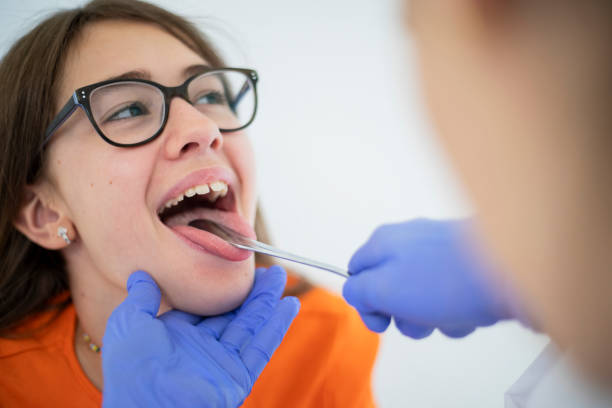
Photo: Getty Image
Some researchers have explored a possible link between oral health and digestive health, though more research is needed to understand whether tongue scraping directly affects gut health.
A Simple Habit Worth Adding to Your Routine
Tongue scraping takes less than a minute, requires minimal effort, and can easily be added to your daily oral care routine. Using a tongue scraper after brushing your teeth each morning can help remove bacteria that accumulate overnight, leaving your mouth feeling cleaner and your breath noticeably fresher.
While it is not a substitute for brushing, flossing, or regular dental visits, tongue scraping is a simple habit that can enhance your oral hygiene routine and provide benefits such as reducing tongue coating, lowering bacterial buildup, and supporting overall oral hygiene


Jenna Ortega May Take a Break From TV After Wednesday

All the Highlights From Dubai Fashion Week So Far

Who Are the Cast Members of Love Is Blind: Habibi Season 2?


-

 Celebrity news4 months ago
Lamar Odom Explains His Comments About Marrying Khloé Kardashian for Fame
-

 Top Xclusiv5 months ago
Brad Pitt and Angelina Jolie’s Eldest Son Maddox Files for an Official Name Change
-

 Top Xclusiv4 months ago
North West and Molly Santana Announce 14-Date Kimokawaii Tour
-

 Top Xclusiv4 months ago
Anne Hathaway Reveals She Is Pregnant With Her Third Child
-

 Fashion5 months ago
4 Streetwear Brands Driving Dubai’s Street Style Rise
-

 Celebrity news4 months ago
Kourtney Kardashian Reveals Her Framed ‘Travis I’m Pregnant’ Sign Still Hangs in Her Home
-

 Music5 months ago
Ariana Grande Drops Brooding New Single “Hate That I Made You Love Me”
-

 Top Xclusiv5 months ago
Pete Davidson Praises Kim Kardashian’s Resilience: ‘She’s Superhuman’